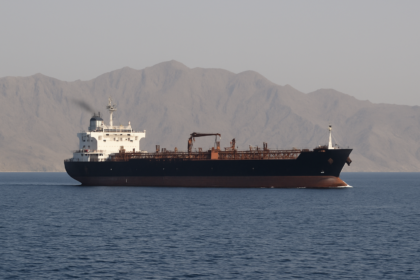
A Saudi-owned Very Large Crude Carrier (VLCC), named Amzan, was struck by an unidentified projectile on August 24, approximately 63 nautical miles west of Yanbu in the northern Red Sea. This incident marks a significant escalation in the Houthi campaign against Saudi shipping, targeting crucial alternate routes for crude exports. The attack occurred in a strategic area for oil transportation, amplifying existing concerns regarding regional maritime security.
The Incident
The Amzan, with a deadweight tonnage of 320,926, was operating in an area critical for Saudi Arabia’s oil transport. While details surrounding the attack remain sparse, the involvement of Houthi forces highlights the ongoing tensions in the region and their implications for commercial shipping. UK Maritime Trade Operations confirmed the incident, noting that the projectile’s type has not yet been disclosed.
Market Impact
Maritime analysts are closely monitoring the situation, as the Red Sea is a vital corridor for global energy supply chains. The attack raises fears of potential disruptions to crude oil shipments, which could lead to increased war-risk premiums and influence freight rates across the region. Shipping companies are advised to remain vigilant and assess security protocols as threats to maritime operations continue to surge.

Operator Response
The response from Saudi authorities and shipping operators is expected to be proactive, focusing on enhancing surveillance and adjusting transit protocols to mitigate risks. Collaborations with international naval forces may also be a consideration to ensure the safety of vessels navigating through high-risk zones. Additionally, operators are likely to evaluate alternative routes and shipping methodologies to avoid escalation in dangerous areas.
The Operational Read
The targeting of the Amzan illustrates the heightened volatility in maritime operations within a region crucial to global energy logistics. For ship operators, this scenario underlines the necessity for robust risk management strategies, especially in navigating through areas prone to conflict. Enhanced communication with security agencies and consideration of protective measures, including potential amendments to charter parties that account for war risks, are paramount. Close monitoring of geopolitical developments will also be essential in shaping operational decisions moving forward.