The Consultative Shipping Group (CSG), representing 18 major shipping nations, has issued a stark warning regarding the threats to freedom of navigation that arise from escalating geopolitical tensions and unilateral trade measures. In a statement released on Monday, the group called for enhanced international cooperation to safeguard maritime operations and ensure a level competitive landscape for shipping entities.
The CSG’s remarks come at a pivotal moment when ongoing disruptions, such as those stemming from the COVID-19 pandemic, the conflict in Ukraine, ecological restrictions at the Panama Canal, and turmoil in the Middle East, have intensified pressures on global supply chains. The group highlighted the role of fragmentation in maritime regulations, stating, “Global shipping works best when rules are clear and consistent around the world.” They assert that inconsistencies lead to market fragmentation, which ultimately escalates costs for both businesses and consumers.
Impact of Geopolitical Fragmentation
The CSG’s concerns are underscored by the situation in the Strait of Hormuz, a vital maritime chokepoint where disruptions can greatly affect global trade. The group explicitly pointed to the closures and tensions in the region as indicative of the broader implications of navigation restrictions, stating, “As the closure of the Strait of Hormuz demonstrates: When shipping supply chains fragment, the global economy fragments with it.” With more than 80% of global goods transported by sea, maintaining freedom of navigation is essential for economic and energy security.


Shadow Fleet Challenges
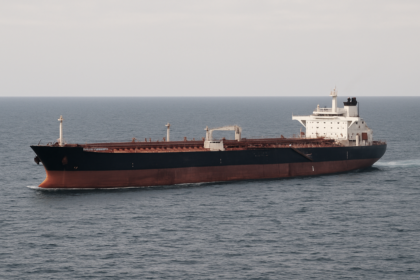
Another alarming trend noted by the CSG is the growth of the shadow fleet, consisting of numerous vessels that operate outside the bounds of established sanctions and maritime regulations. These ships often lack adherence to conventional safety, insurance, and transparency protocols, leading to the emergence of a parallel shipping system. The CSG warned that the existence of a two-tier maritime framework—one governed by rules and the other by opacity—compromises overall market integrity and safety standards.
The group advocates for a focus on the consistent application and enforcement of existing international maritime laws, such as the United Nations Convention on the Law of the Sea (UNCLOS). CSG representatives argued that UNCLOS serves as a critical legal foundation for activities at sea, including ensuring innocent and transit passages. They emphasized the role of the International Maritime Organization (IMO) in shaping global shipping standards.
The Operational Read
The current warning from the Consultative Shipping Group serves as a clarion call for maritime operators to proactively manage geopolitical risks. The vulnerabilities in global supply chains, highlighted by recent events, necessitate strategic adjustments for shipping companies. As geopolitical tensions escalate, vessel operators and charterers must prioritize assessments of routes and be prepared for potential disruptions, particularly in critical chokepoints like the Strait of Hormuz. The divergence in regulatory environments, exacerbated by the rise of the shadow fleet, also emphasizes the importance of robust compliance strategies that align with international standards, ensuring operational predictability amid a fragmented regulatory landscape. Stakeholders should closely monitor developments in international cooperation efforts, as improved enforcement mechanisms could provide a pathway to enhanced market confidence.