Update 27 Aug 2026, 00:32 UTC:
Davie Shipbuilding has secured a substantial fixed-price contract worth US $8 billion to construct six new Polar Class 3 icebreakers for the Canadian Coast Guard. This initiative is a significant part of Canada’s fleet renewal strategy aimed at enhancing operational capabilities in Arctic and Atlantic waters.
Contract Details and Specifications
Announced following Prime Minister Mark Carney’s disclosure at Davie’s shipyard in Lévis, Quebec, the contract outlines a comprehensive plan for the production of these vital vessels. The first icebreaker is scheduled to begin construction in 2027, with deliveries stretching into the 2030s. These icebreakers will replace outdated heavy and medium Canadian Coast Guard vessels that operate in critical regions including the St. Lawrence waterways, Great Lakes, and the Arctic during summer months.

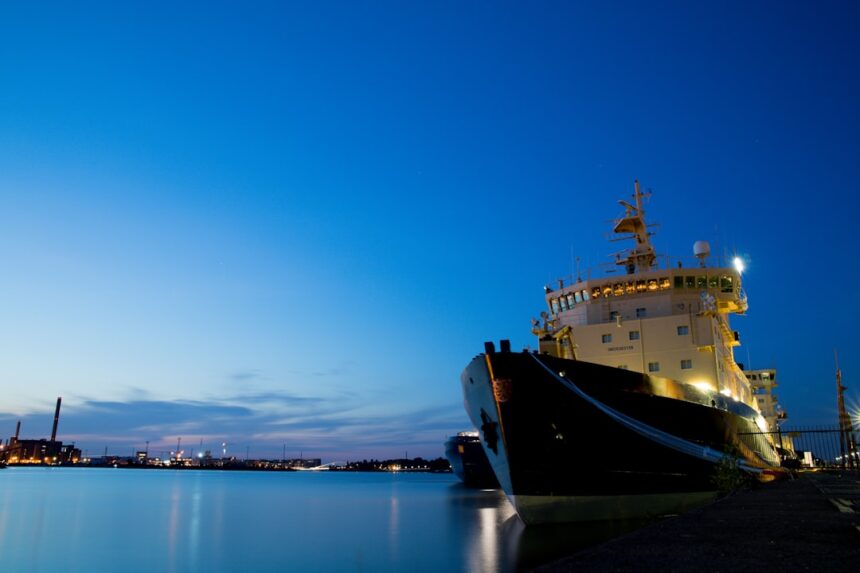
The new vessels will be capable of maintaining operational speeds of three knots through 1.4 meters of ice, boasting a range of approximately 20,000 nautical miles at 11 knots. Additionally, they will support a medium Coast Guard helicopter, significantly enhancing operational versatility.
Strategic Shift in Shipbuilding
One of the notable aspects of this contract is its fixed-price structure, which grants Davie greater autonomy in managing costs and execution—contrary to typical Canadian shipbuilding practices. James Davies, CEO of Davie, expressed pride in the team’s capabilities, emphasizing a commitment to delivering complex and mission-critical ships efficiently. This approach is expected to streamline production across the series, allowing continuous improvement with each vessel built.
Alex Vicefield, chairman and CEO of Inocea, underscored that sustaining a long production run for vessels of the same class would enhance productivity and ultimately lead to reduced costs throughout the duration of the program. Such operational efficiencies are vital, especially in facing the challenges of modern maritime demands.
Investment in Domestic Capabilities
Davie’s recent contracts not only bolster its orderbook, which includes additional icebreaker programs for Canada and the United States, but also solidify local manufacturing and supplier networks. The Canadian government’s commitment to leveraging domestic resources aligns with its ‘Buy Canadian’ policy, intended to strengthen the nation’s defense industrial base.
As Davie prepares to undertake this contract, the Lévis yard is investing in modernization efforts valued at C$840 million, further expanding its capacity to produce large vessels. This will also secure long-term job stability for the shipyard’s workforce and suppliers, fostering a robust maritime industrial ecosystem.
Behind the Headline
The award of this icebreaker contract to Davie Shipbuilding represents a significant evolution in the Canadian shipbuilding landscape, particularly given the fixed-price framework that shifts risk management onto the builder. As demand for advanced icebreaking capabilities increases due to climate change and evolving shipping routes, the efficient delivery of these vessels will be pivotal. The decision to prioritize domestic suppliers not only aligns with government policy but is essential for building resilience in the national supply chain. Operators and stakeholders should closely monitor the progress of this contract as it could set new benchmarks for future shipbuilding projects in Canada.