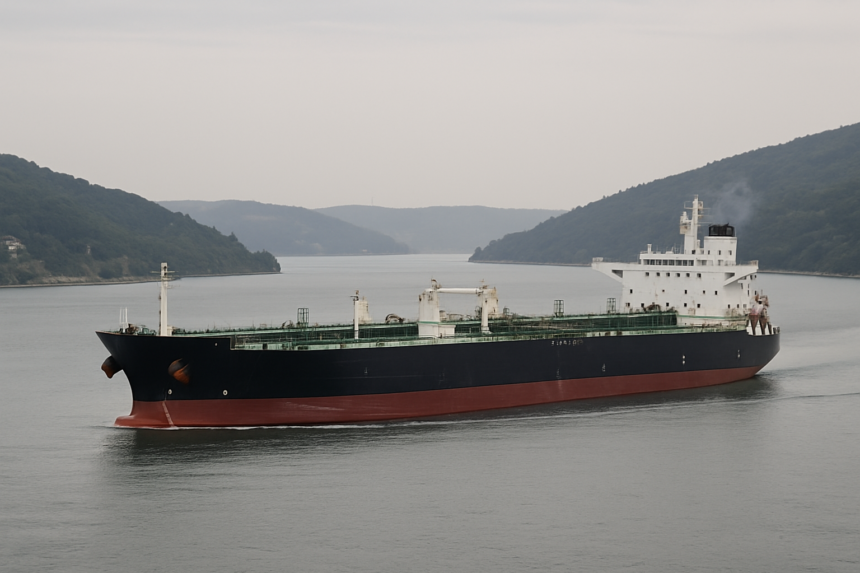
This week, a ceasefire agreement between the United States and Iran aims to facilitate safe passage through the critical Strait of Hormuz, which is vital for commercial shipping. Despite this development, the Baltic and International Maritime Council (BIMCO) is expressing concerns regarding the lingering safety and security risks that could impact maritime operations.
Details and Uncertainties
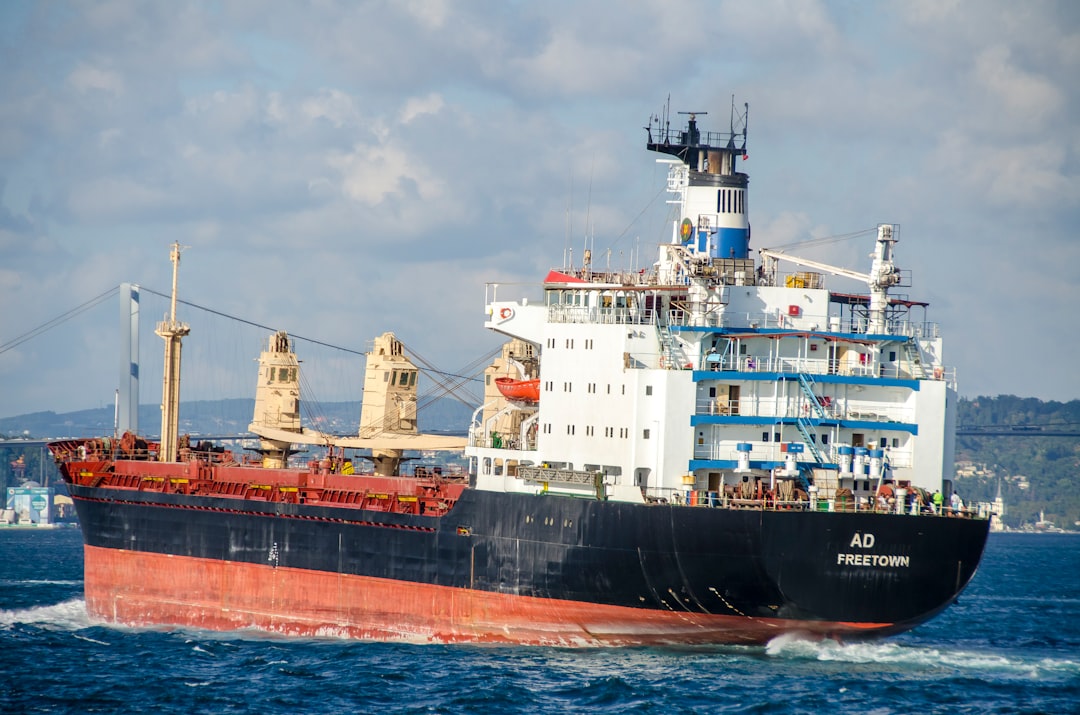
BIMCO’s Chief Safety & Security Officer, Jakob Larsen, noted that although both countries have authorized transits through the strait, numerous risks persist. The central section of the Strait remains mined and is considered un-navigable, leaving only the inshore traffic zones along Oman and Iran as safe transit areas. Current assessments indicate that the potential for congestion and navigational incidents in these zones could complicate operations further.
Larsen has highlighted the importance of conducting comprehensive risk assessments before shipowners proceed with any planned transits. He calls on all involved parties to prioritize the safety of seafarers and to provide clearer guidelines for operations in the region. BIMCO is advocating for the establishment of an international coordination body to facilitate safe traffic management across the Strait, especially in light of the anticipated mass transit of vessels that may occur.

Operational Impact
Alongside concerns over navigation, BIMCO’s Chief Shipping Analyst, Niels Rasmussen, pointed out that once safe procedures are confirmed, over 100 laden tankers and nearly 100 ballast vessels currently trapped in the Persian Gulf could initiate loading for trade resumption. There is potential for maritime activities to return to pre-war levels within a few months. However, disruptions to gas production at Ras Laffan in Qatar and the Habshan complex in the UAE could impede the recovery of liquefied natural gas (LNG) shipments and essential exports such as fertilizers.
Notably, historical maritime troubles have prompted changes in shipping routes, but most trade has continued unaffected. Nonetheless, this latest conflict has raised levels of uncertainty that may alter the landscape of operations in the Strait significantly.
The Operational Read
The situation in the Strait of Hormuz underscores critical operational challenges for shipping operators. Existing maritime protocols must adapt to address mine threats, navigational integrity, and the coordination of ship movements. The need for clear communication and guidance from both U.S. and Iranian authorities, as well as the imminent international coordination mechanism, is essential for assuring safe passage. The response from shipping lines will hinge on a robust, coordinated approach to avoid the chaos of unregulated traffic in the confined strait, ultimately determining if trade can fully resume in alignment with pre-conflict operations.