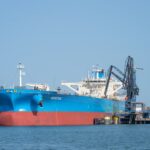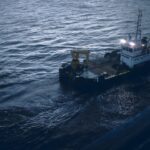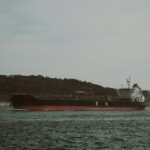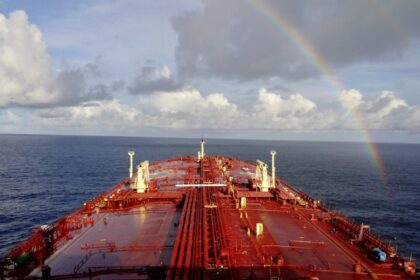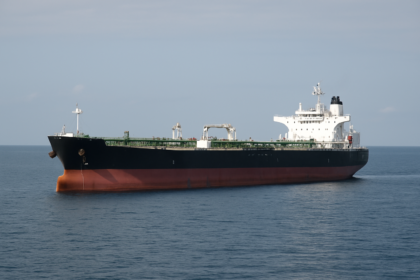
Significant environmental concerns have emerged following the grounding of the Caroline Bezengi, an oil tanker leaking crude off Oman’s Hallaniyat Islands. The slick extends over nearly 400 square kilometers, according to the Omani government’s estimates, creating risks for local wildlife, including endangered species such as the Arabian Sea humpback whales.
The Incident
Reports indicate that the Caroline Bezengi, loaded with close to one million barrels of Russian oil, initially reported difficulties on June 8 near Yemen. Maritime security sources have suggested that an explosion occurred onboard the vessel, though no party has claimed responsibility for the incident. The ship, which was flagged under Cameroon, is part of the shadow fleet comprising older oil tankers that lack necessary Western insurance, effectively obscuring their true ownership.
The ship’s recent operational history shows that it loaded at Russia’s Black Sea port of Novorossiysk in April and transited through the Suez Canal in late May. The European Union, Ukraine, the UK, Canada, and Switzerland have imposed sanctions on the vessel due to its involvement in the ongoing geopolitical tensions.

Environmental Impact
Oman’s Environment Authority reported that the oil slick covers approximately 390 square kilometers, as confirmed through state news channels. Environmental assessments show that the spill extends seven kilometers from the coast, which is alarming from a conservation standpoint. Greenpeace has projected that the slick may actually encompass around 600 square kilometers, based on satellite imaging.
To mitigate the impact, experts, including Tony Gutierrez from Heriot-Watt University, suggest that measures such as aerial spraying of dispersants and deployment of containment booms are imperative to prevent further shoreline contamination. The historical precedent set by major spills, such as the Exxon Valdez incident, highlights the lingering effects of oil on marine environments, emphasizing that years later, remnants can still affect local ecosystems.
The Operational Read
The incident involving the Caroline Bezengi serves to underline the vulnerabilities associated with the shadow fleet and its operational practices. Operators involved with vessels lacking sufficient insurance presents inherent risks that can have both environmental and economic repercussions. For maritime stakeholders, effective response includes real-time monitoring and rapid deployment of environmental protections, especially given that incidents involving older tankers are often tied to geopolitical tensions. The situation will require careful management to avert long-term ecological damage while reflecting on the broader impacts of sanctions and operational norms within affected shipping sectors.