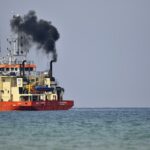
The global shipping industry is facing an escalating challenge with the rise of fraudulent registries, as recent analyses indicate that approximately 285 internationally trading tankers are operating under flags that lack legitimate nationality. This trend is a direct consequence of intensified sanctions enforcement that has prompted many vessels to seek refuge in dubious registrations.
The Current Landscape
Data from Windward reveals that a staggering 91% of these tankers operating under fraudulent flags have already been sanctioned by Western authorities. This reality highlights the mounting pressure on dark fleet vessels trying to navigate trade barriers while remaining operational. Among the identified fraudulent registries, Guinea (51 ships), Netherlands Antilles (45), Guyana (44), and Aruba (24) were noted as the most frequently used flag states. Notably, these vessels continue to trade internationally, despite lacking the legal foundations necessary for legitimate insurance and classification.
Implications of Fraudulent Operations
The criminality associated with false flag operations has shifted from a compliance issue to a systemic risk affecting maritime security and regulatory integrity. Fraudulent registries often exploit weaknesses in the global maritime compliance framework, where AIS self-reporting and documentation checks are predominantly relied upon. These gaps make it exceedingly difficult to establish accountability for vessels that are cloaked in legitimacy on the surface but lack foundational compliance.


Operators of these falsely flagged tankers benefit from the lack of oversight that surrounds self-reported documentation, allowing them to continue shipping operations despite potential sanctions. The existence of cloned websites and forged certificates has enabled many vessels to persist without accountability, perpetuating a cycle of evasion that complicates enforcement efforts.
The Shadow Fleet Connection
False flagging is not an isolated issue; it is a crucial element within the broader context of shadow and gray fleets that includes vessels that have been sanctioned and those operating in a pre-sanction risk category. This layered structure creates a considerable conundrum for regulatory bodies attempting to monitor and control illicit operations in maritime trade. Windward’s analysis shows that out of over 540 tankers linked to Iran-related trade, nearly 40% were found to be falsely flagged, pointing to a systemic utilization of these deceptive practices.
The Operational Read
The rise of false flagging has significant repercussions for shipping operators and insurers as the legitimacy of flagged vessels comes under scrutiny. For charterers and brokers, this phenomenon complicates due diligence efforts, with the risk of operating with unauthorized vessels increasing. Additionally, operators must navigate heightened risks associated with possible enforcement actions, which could disrupt cargo operations. As trading dynamics evolve, stakeholders should remain vigilant to potential shifts in regulatory landscape and the tactics employed by dark fleets to evade scrutiny.