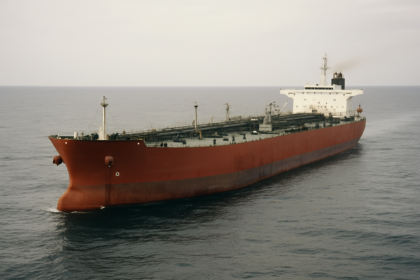
A recent report from the National Transportation Safety Board (NTSB) has identified the unauthorized use of a propane torch as the trigger for a fatal explosion aboard the New York City sludge tanker Hunts Point on May 26, 2025. The incident, which took place while the vessel was docked at the North River Wastewater Treatment Plant in Manhattan, resulted in the death of Chief Engineer Raymond Feige and injuries to two other crew members.
The Incident
Chief Engineer Feige, aged 59 and a long-time employee with the city’s Department of Environmental Protection, was working to remove broken bolts from a hatch cover when the explosion occurred. Witness accounts suggest the explosion was caused by flammable methane gas ignited by the torch near the tank’s opening. Feige was later found deceased between the dock and the vessel, while an assistant engineer was discovered on deck, injured and covered in sludge.
The NTSB’s report noted that NYC DEP protocols explicitly prohibit the use of flames on deck without the proper permit for hot work, which had not been obtained in this case. Despite being instructed by the vessel’s master not to use the torch near the tanks, Feige proceeded with the task, leading to this tragic accident.

Operational Context
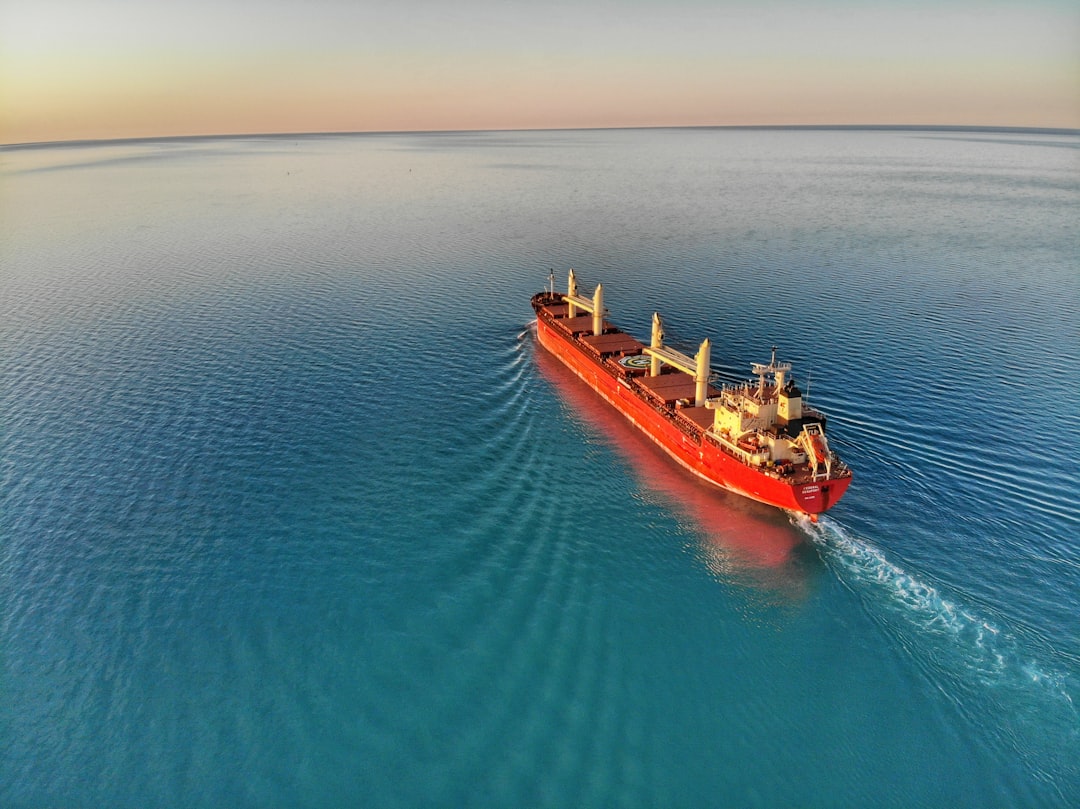
The Hunts Point, one of a trio of 289-foot tankers introduced to the city’s fleet in 2014, is primarily tasked with transporting sludge—a by-product of sewage treatment—between treatment plants in the five boroughs. On the day of the explosion, the tanker was loading sludge for dewatering at the Wards Point sewage plant on the East River. Reports indicate that the operational procedure known as “innage reduction” was seldom performed, with the last instance occurring five years prior, resulting in complications due to rusted plugs and bolts.
The explosion emphasizes the critical need for stringent adherence to safety regulations and effective communication of operational protocols among crews serving on municipal vessels. The NTSB’s investigation highlighted stark failures in regulatory compliance protocols, exacerbated by the lack of proper safety measures and the unusual operational conditions facing the vessel crew.
The Operational Read
This incident starkly illustrates the peril that inadequate safety practices pose in maritime operations, particularly for municipal vessels involved in essential services. The absence of a hot work permit and the disregard for explicit safety protocols underscore the vulnerabilities inherent in operational environments where adherence to regulations is essential for crew safety. Operators must closely examine their safety cultures and training programs to prevent similar occurrences. Enhanced supervision and clear, consistent communication are vital for ensuring compliance with safety measures on deck. Furthermore, close monitoring of the crew’s operational practices during non-standard procedures will become critical as urban fleets continue to modernize their approaches to sludge management.