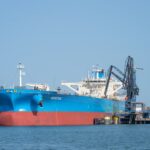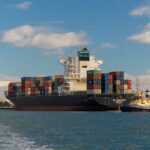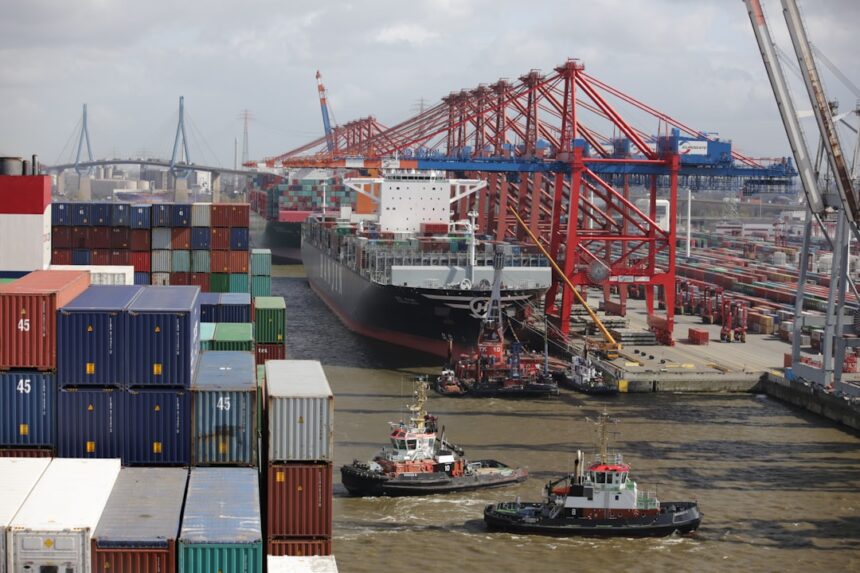
Ports along the Pacific coasts of North and South America are facing heightened risks of operational disruptions due to the strengthening El Niño phenomenon, according to a recent study conducted by Sofar Ocean. The ramifications extend beyond the Americas, with considerable challenges anticipated for maritime operations across South Asia, East Africa, Australia, and Indonesia.
Operational Challenges Ahead
As El Niño develops, the ports in North and South America are particularly vulnerable to operational delays due to potential storm surges and changes in weather patterns. Increased rainfall and subsequent flooding could hinder terminal operations, affecting loading and unloading schedules. These disruptions may lead to revised laytime agreements as operators wrestle with the shifting timelines.
In contrast, terminals located in South Asia and parts of East Africa may not only face flooding but also encounter falling water levels along key shipping routes. Such conditions may necessitate tighter dredging windows, impacting the ability of vessels to access ports safely and efficiently. This situation might require operators to implement greater flexibility in their scheduling to accommodate these unexpected challenges.


Wider Impact on Global Supply Chains
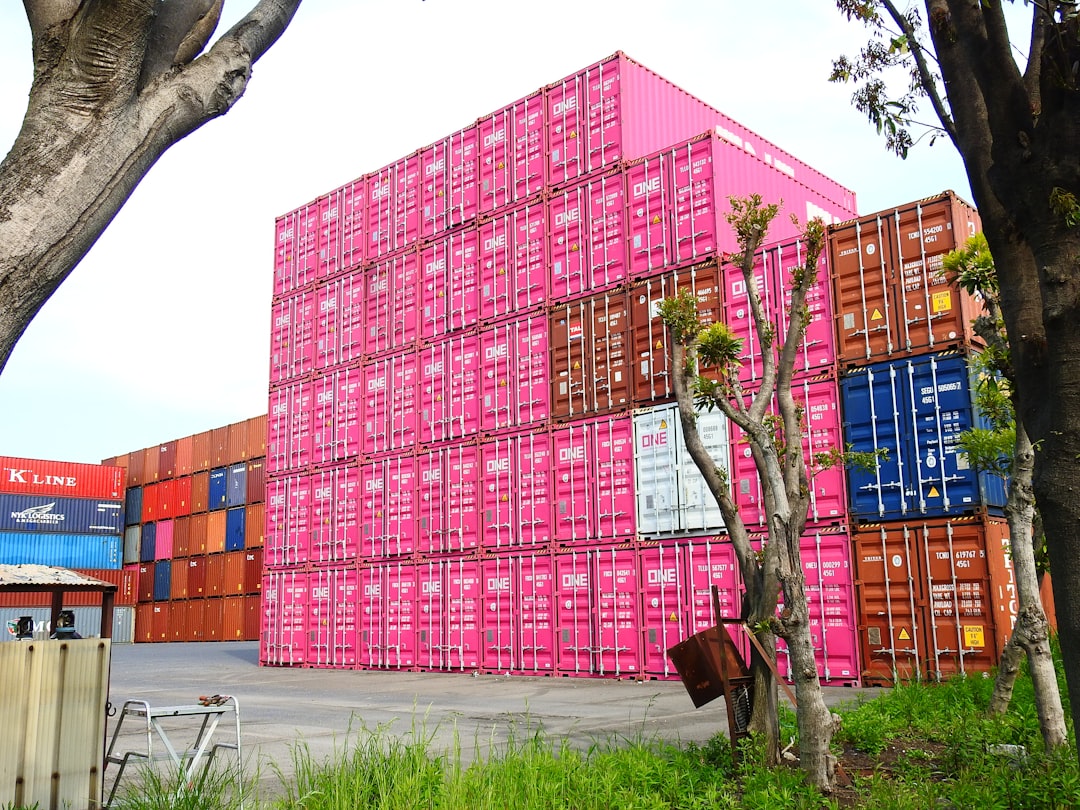
El Niño’s effects are anticipated to resonate throughout the global supply chain. With the potential for increased operational disruptions, marine stakeholders must consider the implications for cargo handling and the timely delivery of goods. The possible need for increased demurrage costs and contract renegotiations could arise as shipping companies and charterers adapt to these evolving conditions.
As the situation develops, a proactive approach will be essential for operators to navigate changing operational landscapes effectively. Monitoring El Niño’s progress and its anticipated impacts will help maritime firms strategy effectively to minimize disruption risks.
Behind the Headline
The maritime community faces the challenge of adapting to the changing conditions brought about by El Niño, particularly concerning port operations. The projected disruptions highlight the need for robust contingency measures to protect against increased weather volatility. For operators, this means closely examining charter party terms and readiness strategies to ensure vessels can respond instantly to shifting dredging windows and access limitations. The broader market will need to remain vigilant, as the interdependencies of global supply chains make any fluctuations in port operations significant for trade continuity.