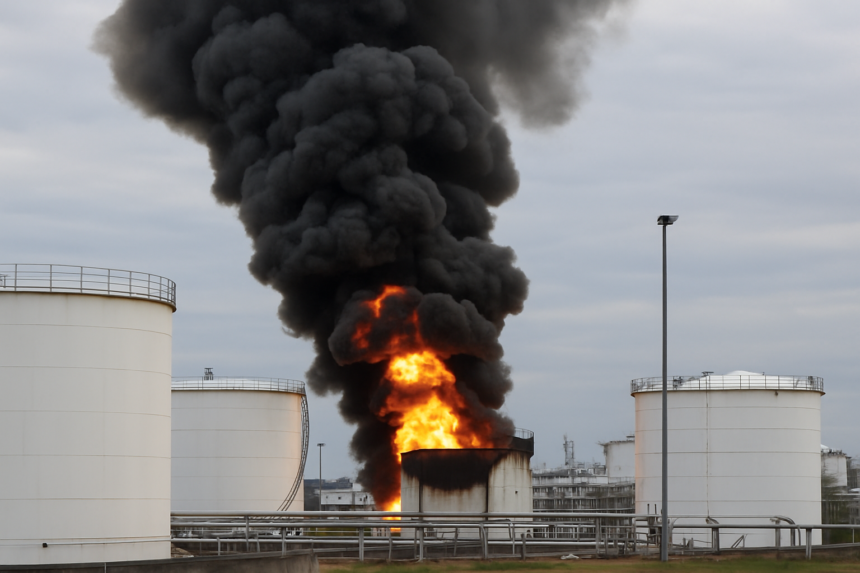
A Ukrainian drone strike targeted the Tamanneftegaz oil and gas terminal in the Russian port of Temryuk on Saturday, June 13, resulting in one fatality and igniting a substantial fire in the region. The attack has been confirmed by the governor of Krasnodar, Veniamin Kondratiev, via the Telegram messaging app.
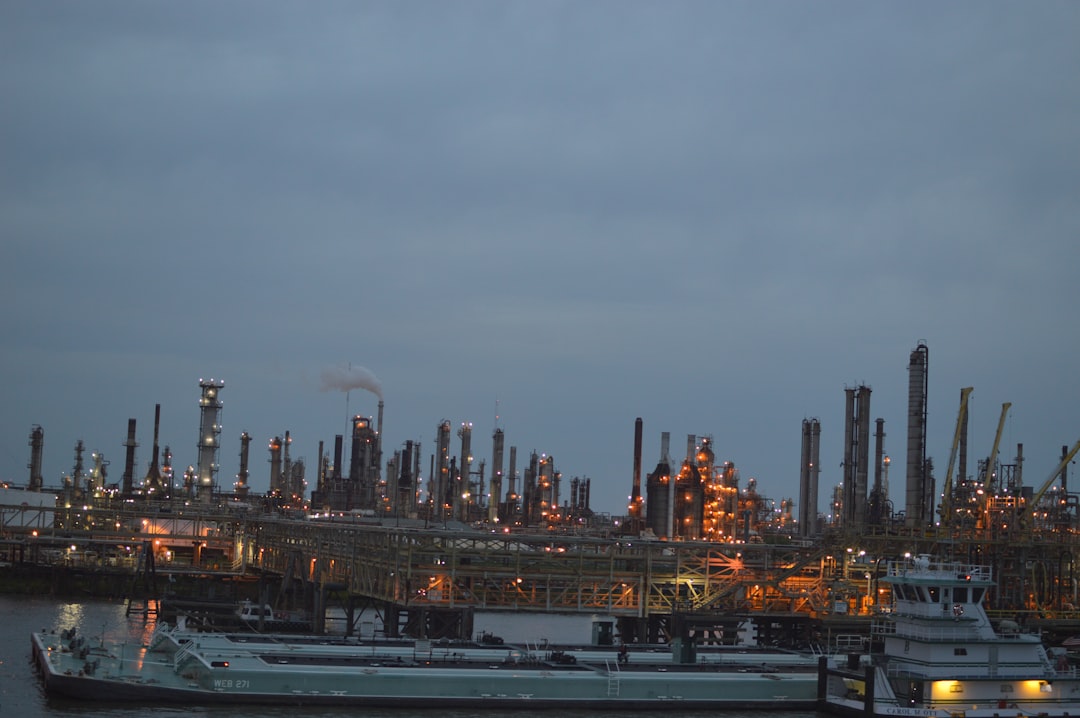
According to reports from the Ukrainian military and the Security Service of Ukraine (SBU), the drone strike damaged five fuel tanks and two oil loading stands at the terminal. Fires broke out in the vicinity of the freight transport depot and storage facilities, indicating extensive operational disruption.
The Incident
This attack is part of a series of operations aimed at undermining Russian energy infrastructure as peace negotiations have stalled amid ongoing hostilities. Earlier incidents included a drone strike on May 29 that had previously targeted the same terminal, showcasing an escalation in Ukrainian efforts against energy supply chains critical to Russia’s economy.

Additionally, a separate strike in the Kotovo district of Volgograd resulted in fires at an oil processing and pumping facility. This facility plays an essential role in the transportation and processing of oil, further demonstrating Ukraine’s intent to target infrastructure that directly supports military operations.
Market Impact
The continuous targeting of Russian oil infrastructure has significant implications for global energy markets. As facilities are damaged and operations are disrupted, concerns over regional oil supply stability may intensify, potentially causing fluctuations in crude prices worldwide. Furthermore, the suspension of operations at the Lukoil-owned refinery in Volgograd since May 29 reflects the extended impact of these conflicts on regional oil processing capabilities, reducing output in an already volatile market.
Operator Response
In light of these incidents, operators in the region may need to assess their risk exposure related to logistics and supply chain routes that traverse impacted areas. Increased security measures and contingency planning are advisable as operators navigate this uncertain environment. The ongoing conflict also raises questions regarding insurance and war-risk premiums as operators seek to protect assets amid heightened threats to maritime infrastructure.
The Operational Read
The recent drone strikes underscore the tactical shift by Ukraine toward targeting energy assets critical to Russia’s military and economic strength. For maritime operators, this trend necessitates recalibrating routing strategies, especially for tankers and vessels transporting oil from affected terminals. Moreover, as hostilities continue, operators must remain vigilant regarding emerging threats and consider the implications for insurance coverage against damage and disruptions. The situation may evolve, leading to further escalations or changes in operational protocols as the market responds to these dynamics.