On August 8, Russian military operations in Ukraine intensified with targeted strikes on port infrastructure in Odesa and Mykolaiv. According to Russia’s Defence Ministry, precision air-launched weapons and attack drones targeted military assets integral to supporting Ukrainian forces.
The Incident
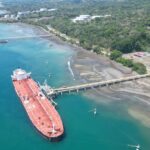
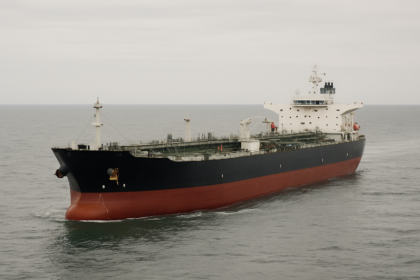
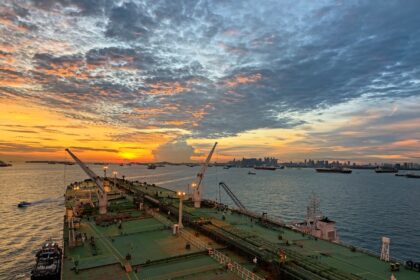
The strikes reportedly focused on vital military warehouses in Odesa, which contained communications and electronic warfare equipment essential for Ukraine’s military operations. Furthermore, in the port of Mykolaiv, Russian forces struck a cargo vessel believed to be transporting military equipment, alongside a warehouse housing weapons and military supplies.
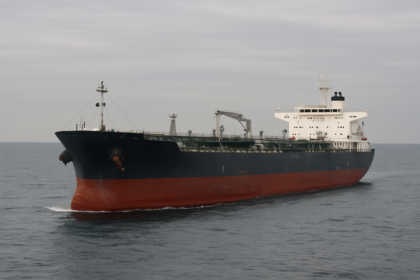
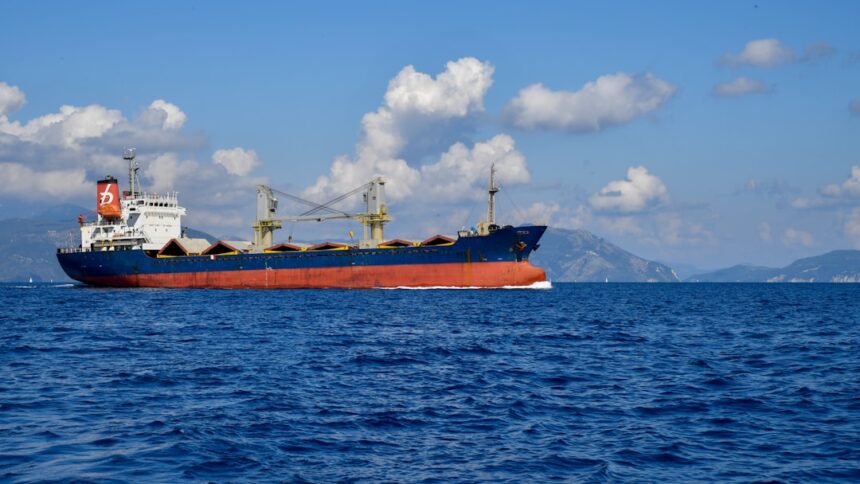
Russia’s Defence Ministry has asserted that these operations are aimed at disrupting Ukraine’s military supply lines. It was also stated that another dry cargo vessel engaged in transporting military supplies was hit in the Mykolaiv port area.

Market Impact
The ongoing conflict and recent military actions have raised concerns about the safety of maritime operations in the Black Sea. Shipping companies operating in this region may now be reconsidering their routes and security protocols, given the heightened risk of military engagement.
The attacks also pose potential implications on global shipping logistics, particularly for those vessels involved in transporting goods to and from Ukraine. Increased war-risk premiums and insurance fees may emerge as a response to these developments.
Operator Response
In light of the recent strikes, maritime operators are compelled to assess their risk exposure and ensure preparedness for any potential escalation in conflict. Many may consider rerouting shipments or altering schedules to mitigate risks associated with operating in the affected areas.
Monitoring developments in the Black Sea will be crucial for maritime stakeholders as incidents like these create operational uncertainty and impact regional trade dynamics.
The Operational Read
This escalation in military activity in the Black Sea underscores the ongoing risks faced by shipping operators in the region. Operators must prioritize situational awareness and security assessment to navigate potential disruptions effectively. The strikes may prompt an increase in maritime insurance costs, potentially influencing shipping rates. Furthermore, with ongoing tensions, the need for strategic rerouting to ensure safety of crews and cargo will become imperative. Stakeholders should stay attuned to both military developments and statements from industry bodies regarding best practices for navigating such high-risk environments.