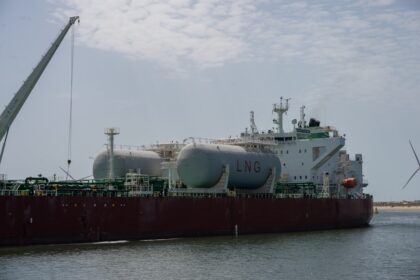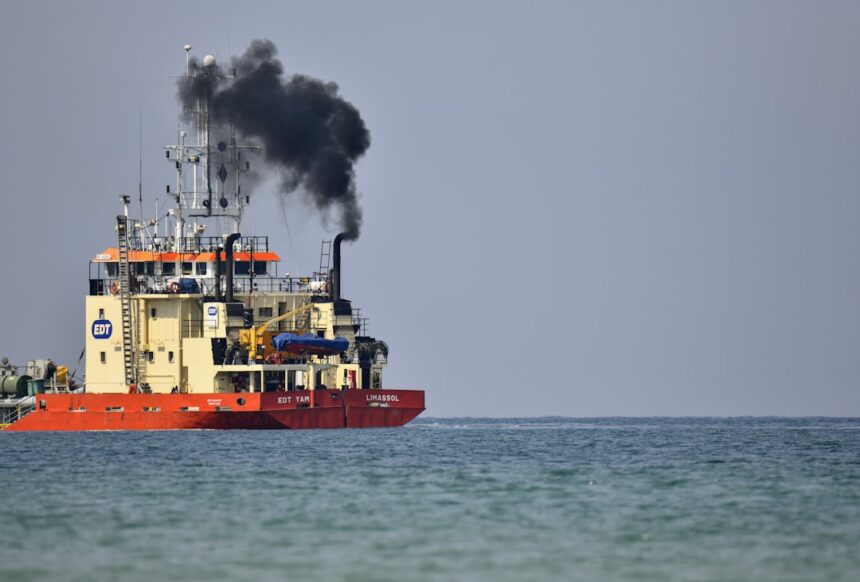
Ukraine has reached a significant agreement to avoid targeting specific non-Russian oil tankers and associated infrastructure used to export Kazakhstan’s crude through the Black Sea, according to a Bloomberg report citing a U.S. official familiar with the private negotiations. This commitment stems from discussions among senior U.S. and Ukrainian officials and is poised to help reinstate oil flows through the Caspian Pipeline Consortium (CPC) terminal near Novorossiysk, Russia.
The Agreement Details
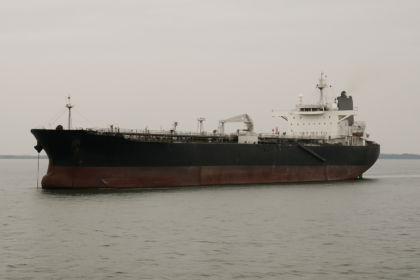
Under this agreement, Ukraine will refrain from attacking CPC infrastructure and any vessels heading to the terminal, provided they do not carry Russian cargo, are not owned by Russian individuals or entities, and have not been sanctioned by Ukraine. To facilitate safe passage, Ukrainian authorities have established contact points for commercial shipping companies to share vessel information. This initiative aims to support the return of normal operations amidst security concerns.
Impact on Oil Exports
The CPC route, which handles approximately 2% of global crude supplies, is Kazakhstan’s primary oil export channel, and European refiners are heavily dependent on the crude transported through this terminal. However, recent drone attacks near Novorossiysk disrupted loading operations, leading some shipowners to avoid the facility entirely. According to market insights, CPC Blend exports are projected to decline by about one-third in August, although the presence of delayed cargoes from July adds a layer of uncertainty to this estimate.

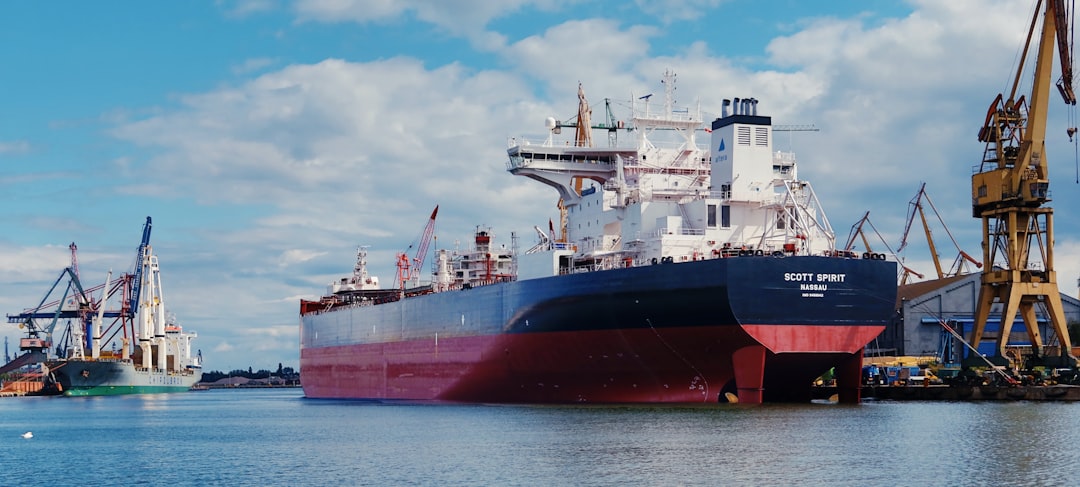
Following a wave of drone strikes in late July, commercial vessels chartered by U.S. companies ceased loading operations. Though activities at the terminal resumed on July 27, operations faced another setback when vessels were targeted again shortly after, highlighting the precarious security environment.
Recent Market Dynamics
The security risks associated with operating in the Black Sea region have led to a sharp increase in tanker costs. Earnings for vessels transporting CPC crude to the Mediterranean have recently surpassed $400,000 per day, marking the highest levels recorded for this route by the Baltic Exchange. Any recovery in Kazakhstan’s oil exports could alleviate global supply concerns exacerbated by the ongoing conflict in Iran and restricted shipping through the Strait of Hormuz.
The Operational Read
The recent agreement represents a critical pivot in ensuring the stability of crude oil exports through the Black Sea, yet the operational reality remains fraught with challenges. For shipping operators, the assurances offered by Ukraine may not fully mitigate the risks associated with potential future attacks, as previous safety arrangements have fallen short of their promises. Consequently, charterers and vessel operators must navigate a landscape marked by high earnings against significant volatility and risk. Stakeholders should closely monitor regional security developments and reception from tanker operators, as confidence in these protections will be pivotal for restoring typical shipping operations in the Black Sea.