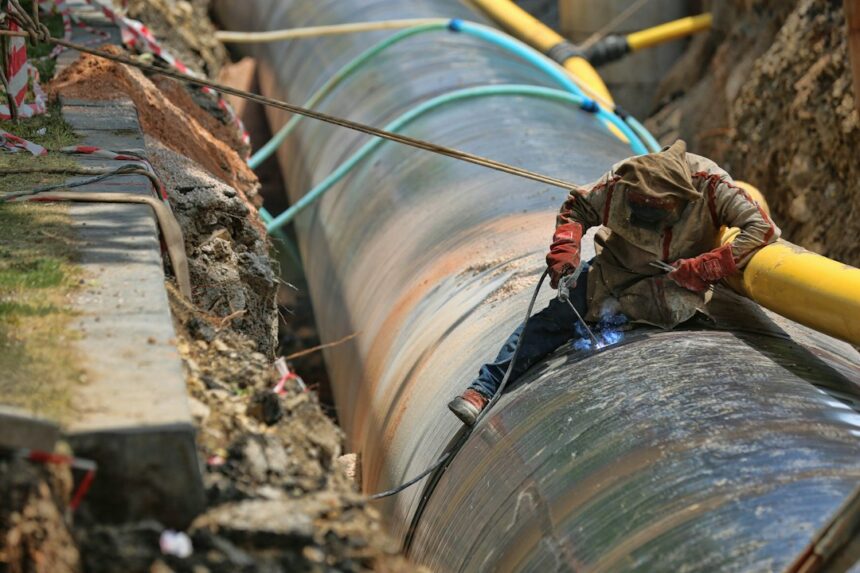
Oil production has come to a standstill at Libya’s El Sharara oil field following a valve closure on the El Sharara-to-Zawiya pipeline, a critical link in the region’s crude supply chain. The decision, made by an unidentified armed group, has drawn the warning of possible force majeure from the National Oil Corporation (NOC).
The Incident
Late Monday, the NOC reported that the closure has led to a significant reduction in crude oil output from the El Sharara field, which, at full capacity, can produce around 350,000 barrels per day—approximately one-third of Libya’s total oil output. The pipeline connects the El Sharara field, located about 700 kilometers south of Tripoli, to the Zawiya terminal, a principal export hub in the country.
The valve closure has resulted in a pressure buildup within the pipeline, exacerbating the production halt. NOC officials have indicated that should the situation remain unresolved, a legal declaration of force majeure might become necessary, echoing a similar action taken in January 2024 due to earlier disruptions. Such a declaration could severely impact contractual obligations and state revenues.

Market Impact
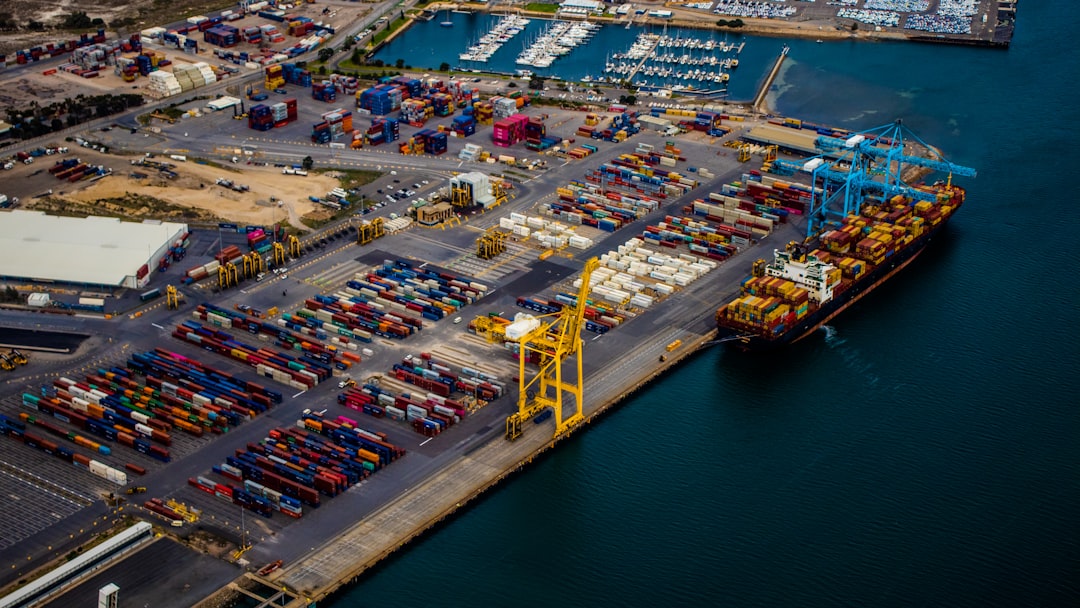
The disruption to oil production in Libya comes at a precarious time, with global oil prices recently surging above $100 per barrel amid ongoing geopolitical tensions linked to conflicts in the Gulf region. The closure poses not only a risk for immediate oil supply but also threatens the operation of the Zawiya refinery, located approximately 45 kilometers west of Tripoli. NOC’s warning suggests that a sustained shutdown could lead to significant economic repercussions for the Libyan state.
Libya holds Africa’s largest proven oil reserves, yet the country’s oil sector remains vulnerable due to frequent disruptions caused by armed groups and public protests aimed at exerting political or economic influence. The ongoing violence and political instability since the fall of Muammar Gaddafi in 2011 have impeded efforts to establish a secure and efficient operational environment for oil production.
Operator Response
The operational landscape for Akakus Oil Operations, which manages the El Sharara field, is fraught with challenges. The joint venture includes companies such as Repsol, TotalEnergies, OMV, and Equinor. Historically, the El Sharara field has experienced significant interruptions, previously being closed for two years from November 2014 to December 2016 due to a blockade instigated by armed groups. The repeated interruptions underscore the fragility of logistical frameworks in Libya’s oil sector, making the situation particularly dire for stakeholders reliant on stable production.
Behind the Headline
This latest event emphasizes the ongoing volatility in Libya’s oil sector, driven by both internal conflict and external market pressures. The stark reality for operators and stakeholders is that the security of oil supply can rapidly deteriorate, impacting operational stability and revenue generation. Companies in the region should closely monitor developments and assess risk management strategies, as the potential for future disruptions remains a critical concern for robust supply chain integrity.