Global oil trading firms Vitol and Trafigura are pressing for substantial discounts on Venezuelan crude, driven by a sharp increase in shipping costs. Recent insights from sources familiar with the negotiations indicate that this push reflects the intensive operational challenges faced in Venezuela’s recovering, yet volatile, energy sector.
The Current Situation
Since the political changes in Venezuela following the capture of then-President Nicolas Maduro by the United States, Vitol and Trafigura have emerged as significant players in the country’s oil market. They now control over half of Venezuela’s crude exports, despite the ongoing complexities introduced by rising freight rates.
Venezuelan state oil company PDVSA has recently entered into pricing agreements for its flagship Merey heavy crude grade that showcase recovery since the imposition of U.S. sanctions. Nonetheless, prices remain significantly below those of Brent crude, with some joint venture partners agreeing to sales at $12 to $13 per barrel less than the benchmark.

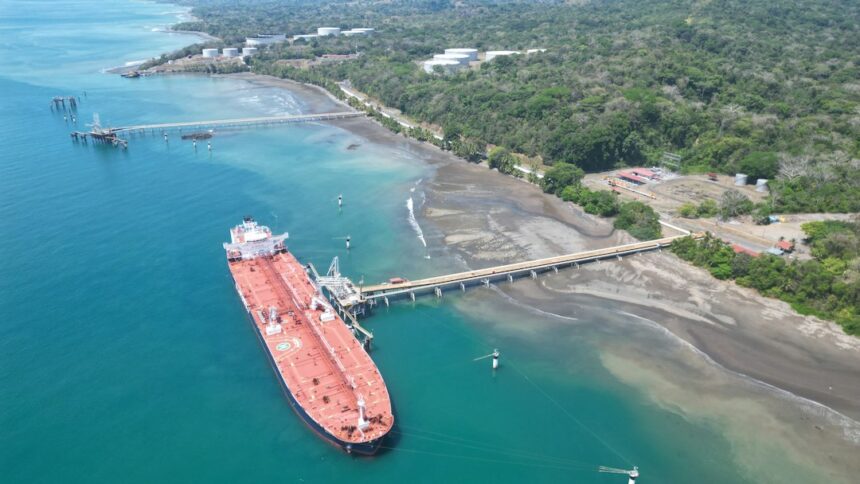
Compounding the issue, as global tanker chartering costs have soared, the cost for moving cargoes has surged to about $3.5 million for an Aframax tanker journey from the Venezuelan port of Jose to the U.S. Gulf Coast—an increase from just $1.35 million at the start of the year.

Impact on Operations
These increased freight costs have strained the margins for traders, prompting bids from Vitol and Trafigura that are reported at $18 to $20 below Brent. Such pricing pressure places additional challenges on PDVSA, already under financial strain, as they aim to secure more direct sales to refineries in efforts to enhance cash flow.
Venezuela’s oil exports have remained relatively stable, with figures reported at 1.17 million barrels per day in August, though this volume did not represent a significant increase. The average number of tankers awaiting loading at terminals has reached the highest levels since January, highlighting operational bottlenecks that could impede the U.S. government’s plans to expedite fresh oil supplies from Venezuela.
Market Outlook
The interplay of rising shipping costs and lowered pricing bids for Venezuelan crude poses considerable risks for the broader oil market. With freight costs and operational hurdles threatening profit margins, the viability of increased Venezuelan crude exports remains uncertain. Additionally, the removal of punitive clauses in freight contracts marks a significant shift in the trading environment, indicating the evolving dynamics as more traders re-enter the market.
Behind the Headline
The operational challenges experienced in Venezuela’s crude export sector reflect broader maritime trends, particularly increased freight costs due to geopolitical tensions and shipping security issues. For operators, the ability to secure favorable freight contracts becomes critical, directly influencing profit margins and operational feasibility. The shifts in trading practices and market entry are pivotal moving forward, as businesses navigate a complicated landscape with fluctuating costs. The ongoing developments in Venezuela’s oil sector will be closely monitored to assess their implications for both local and international markets.