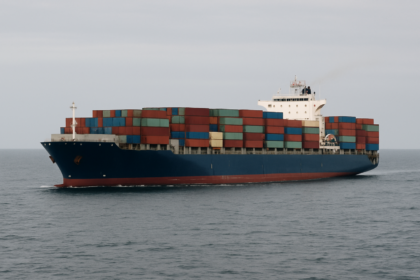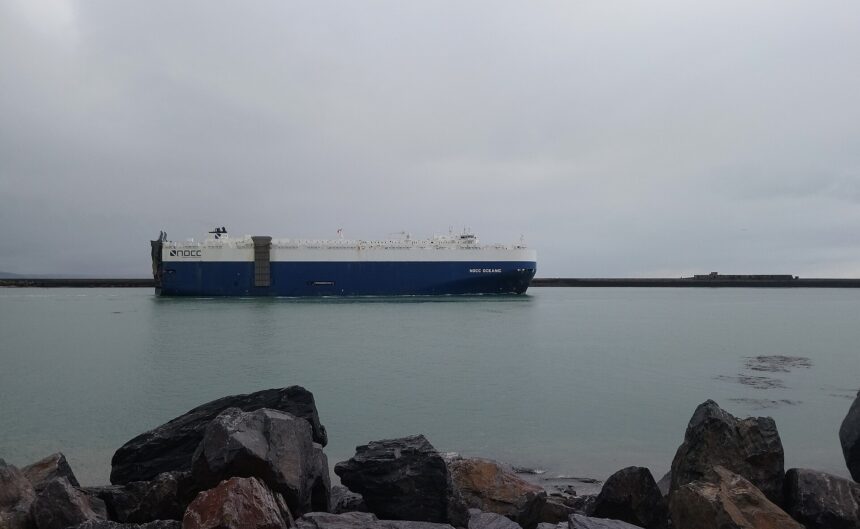
The crew of the Marshall Islands-flagged vehicle carrier, Min Jiang Kou, was successfully rescued following an engine room fire that prompted them to abandon ship approximately 630 miles south of Costa Rica. The incident unfolded when the U.S. Coast Guard received an Inmarsat distress alert at 1:09 p.m. on Thursday, indicating a fire in the vessel’s engine room.
According to Coast Guard officials, the crew took immediate action by activating the CO2 fire suppression system, which initially contained the fire. However, as conditions deteriorated later Thursday, with increased smoke reported at 11:33 p.m., the captain ordered the crew to abandon the vessel using the lifeboats.
The Rescue Operation
To assist in the urgent rescue operation, the Coast Guard utilized the Automated Mutual-Assistance Vessel Rescue System (AMVER) to locate nearby merchant vessels capable of responding. Two vessels, the motor vessel Jin Hai Ping and the motor tanker Degu, diverted to the scene. Jin Hai Ping successfully recovered all 22 crew members from the lifeboats, while Degu stayed on-site to provide further assistance.

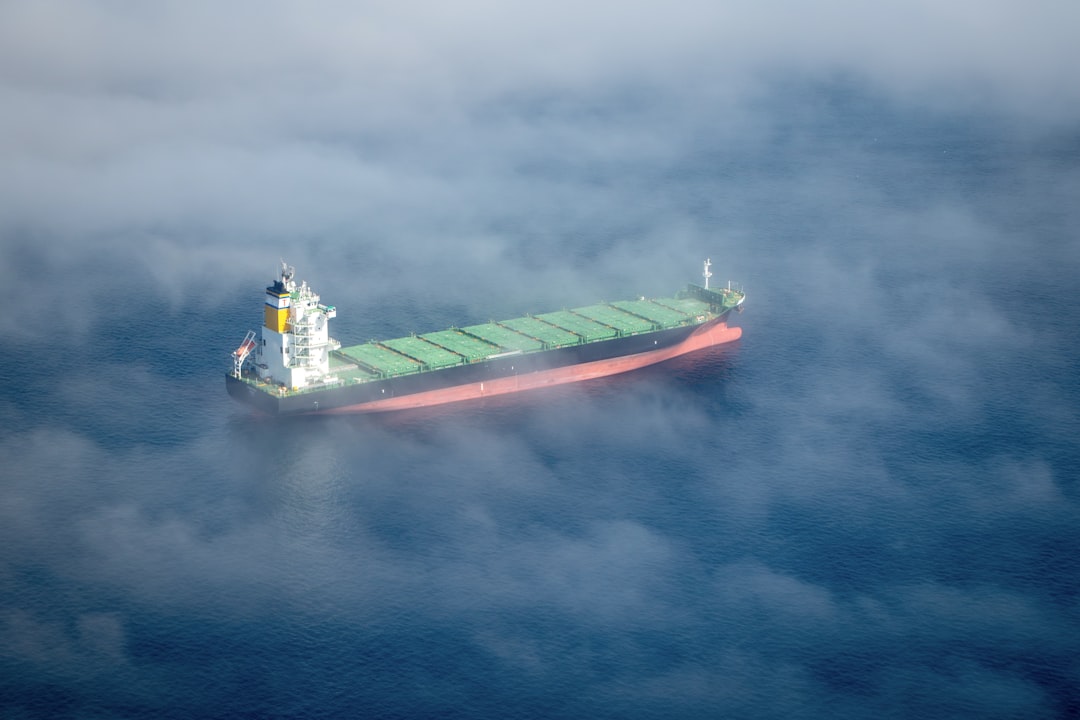
By 12:21 p.m. on Friday, following the rescue, all crew members were reported safe aboard Jin Hai Ping. The vessel is expected to transport them to Akita, Japan. Capt. Jessica Davila, the Southwest District chief of incident management, praised the collaborative effort among mariners, stating, ‘This rescue highlights the strength of international partnerships and the vital role coordination plays in ensuring mariners in distress receive timely assistance.’
Current Status and Next Steps
As the situation unfolds, the Coast Guard has confirmed that no environmental impacts from the incident were reported. The vessel Min Jiang Kou will coordinate with Resolve Marine to assess the damage and formulate a repair plan. Although specific details regarding the fire’s extent and the ship’s condition have not been disclosed, this incident underscores the importance of emergency preparedness in the maritime industry.
The Operational Read
This incident emphasizes the crucial nature of a quick-response network in maritime emergencies. The successful deployment of AMVER demonstrates how international cooperation can expedite rescue operations, even in remote locations where traditional assets may not be readily available. For operators and crews, this incident serves as a reminder of the importance of fire safety measures and the capability to implement emergency protocols effectively. Going forward, shipowners may reevaluate their training procedures and emergency response plans to ensure readiness in the face of similar incidents.