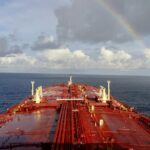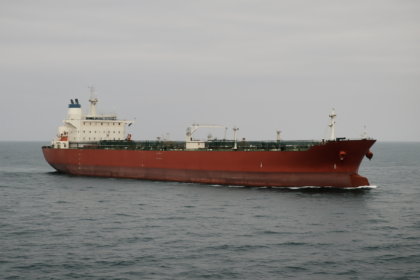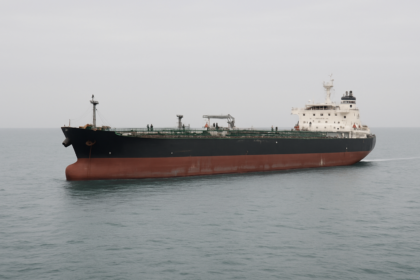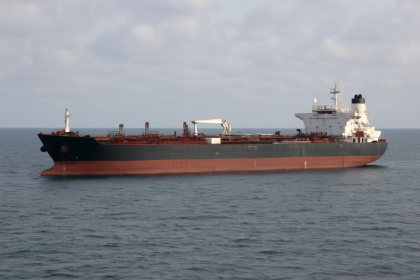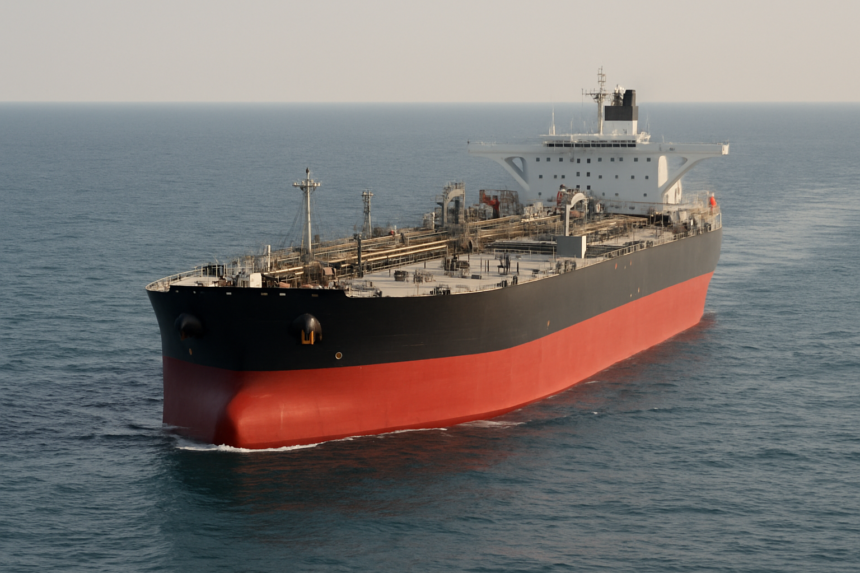
Sinokor Group, the largest owner of supertankers globally, has announced a substantial incentive for seafarers willing to navigate the perilous Strait of Hormuz. The company is offering an extra six months’ salary for a round trip to transport oil from Saudi Arabia or Iraq to the Gulf of Oman. The offer aims to attract crew members amid growing risks, with recent attacks highlighting the dangers of this vital maritime route.
The Current Threat Landscape
Since the onset of the ongoing conflict in the region, the UN’s shipping agency reports that at least 59 commercial vessels have faced attacks, leading to the tragic loss of 17 seafarers. These developments underscore the extreme tensions surrounding operations in the Strait of Hormuz, forcing crews to balance substantial financial incentives against serious personal risks. While Sinokor’s offer is among the more attractive in recent times, it reflects a broader trend where shipping companies are increasingly motivated to secure crews despite the prevailing dangers.
Navigation and Compensation Dynamics
The compensation structures for crews operating in this hazardous environment vary significantly according to circumstances and company policies. While some shipping firms offer additional bonuses of up to 60 days of salary on top of an existing 30-day contract, others fall short of the figure proposed by Sinokor. As insurance premiums for transits through Hormuz continue to rise due to the heightened risk of attack, shipowners are also aware that they can command higher rates for these voyages, thus adding to the financial allure for seafarers who take the gamble.

Captains, who typically receive the highest remuneration on a vessel, earn as much as $15,000 per month, while junior sailors, referred to as ratings, may see salaries around $1,500. However, the perception of risk is pivotal; many crew members reportedly hesitate to sign on for voyages even in light of significant financial rewards. This situation poses challenges for maritime operators seeking to ensure full crew complements while addressing safety and operational efficiency.
Industry Response
As tensions escalate, the maritime industry is closely monitoring crew willingness to undertake voyages through the Strait of Hormuz. Reports indicate that some crew members have chosen to leave their vessels rather than accept the risk of transit. Captain Pradeep Chawla, chairman of GlobalMET, asserts that while some companies are inducing crews with substantial bonuses, there are still those who refuse the heightened financial incentives due to safety concerns.
The operational decisions taken by crew members, particularly in high-risk areas such as the Strait of Hormuz, illustrate the complex interplay between safety, economic necessity, and labor dynamics. With ongoing threats to shipping in this critical passage, it remains to be seen how operators like Sinokor will adapt their strategies to ensure both the security of their vessels and the willing participation of their crews.
Why It Matters
The situation in the Strait of Hormuz highlights the challenges faced by shipping companies in securing crew members for high-risk operations. The incentive structures, such as those provided by Sinokor, reflect a broader trend of increasing compensation in response to deteriorating security conditions. For shipowners and operators, understanding crew psychology and the financial realities of maritime labor will be essential in navigating future voyages through conflict-prone regions. The ongoing assessment of risk versus reward will undoubtedly shape labor practices, operational strategies, and insurance models as the region remains on high alert.