Update 22 Jul 2026, 14:35 UTC:
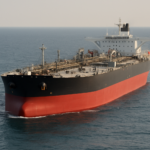
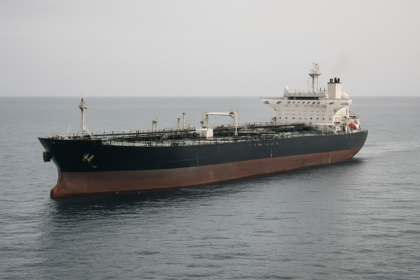
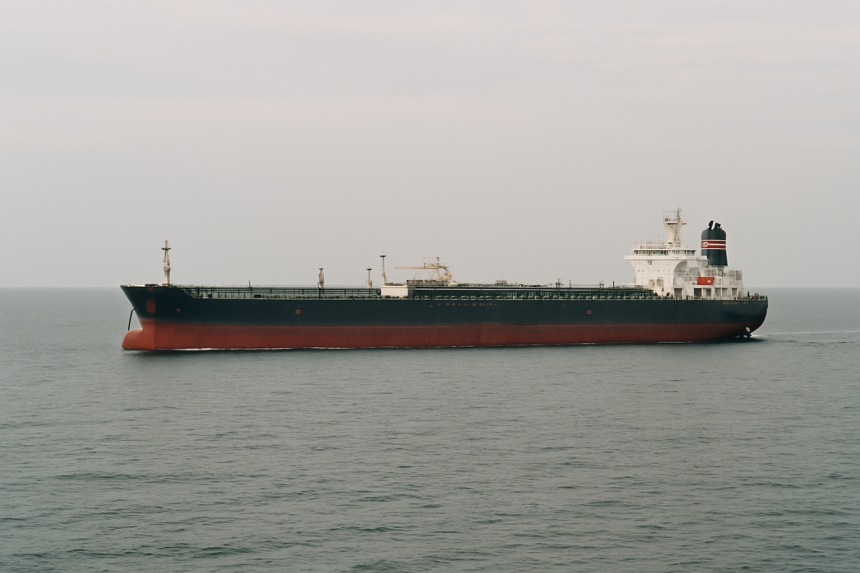
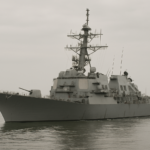
European Union naval forces have intensified their operations against the Russian shadow fleet by boarding the oil tanker SOUTH STAR on July 20. This action is part of Operation IRINI, aimed at enforcing sanctions and verifying flag claims of vessels suspected of illicit activities.

The Boarding Incident
According to EU foreign policy chief Kaja Kallas, the SOUTH STAR was targeted due to suspicions of fraudulent flag operations, which violate international maritime law. The inspection was conducted under Article 110 of the United Nations Convention on the Law of the Sea, allowing naval forces to board vessels under certain suspicions regarding nationality. Kallas emphasized that every illicit voyage contributes to sustaining Russia’s military activities.

Context of Sanctions and Operations
The EU’s decision to board the SOUTH STAR aligns with a broader strategy adopted in 2026 to increase pressure on illicit maritime operations. Following a series of sanctions targeting Russian oil transport, the EU’s naval mission received an expanded mandate to perform flag verifications. This effort marks a significant shift in EU operations as it seeks to enhance maritime security and compliance with international regulations.
Operation IRINI, which primarily focuses on enforcing the UN arms embargo on Libya, first conducted flag-verification inspections in May 2026 and has since ramped up activities significantly, inspecting multiple vessels suspected of unauthorized operations.
Wider Implications
Additionally, the EU has authorized Operation ATALANTA, its counter-piracy mission, to extend similar verification measures to the western Indian Ocean. This move broadens the geographical scope of the EU’s efforts to target vessels involved in sanction evasion while highlighting the strategic importance of oil transport routes critical to Russia’s economy.
The SOUTH STAR is just one of many aging tankers within a shadow fleet that has sparked concerns over maritime safety and environmental risks. With increasing scrutiny from Western governments regarding fraudulent registrations and the manipulation of tracking signals, the pressure on this fleet continues to grow amid heightened enforcement operations.
The Operational Read
The recent boarding of the SOUTH STAR serves as a significant operational precedent for maritime enforcement against illicit shipping practices. As the EU enhances its naval mandate and broadens operational theaters, shipping operators must remain vigilant of increased inspections and the potential for extended periods of laytime or demurrage. The evolving regulatory landscape surrounding flag verification and operational transparency will necessitate adjustments in operational logistics and routes among fleet operators involved in Russian oil transport. Companies must also heed the environmental and safety obligations that come with operating older vessels, especially those with opaque ownership structures, to mitigate risks associated with major maritime incidents.