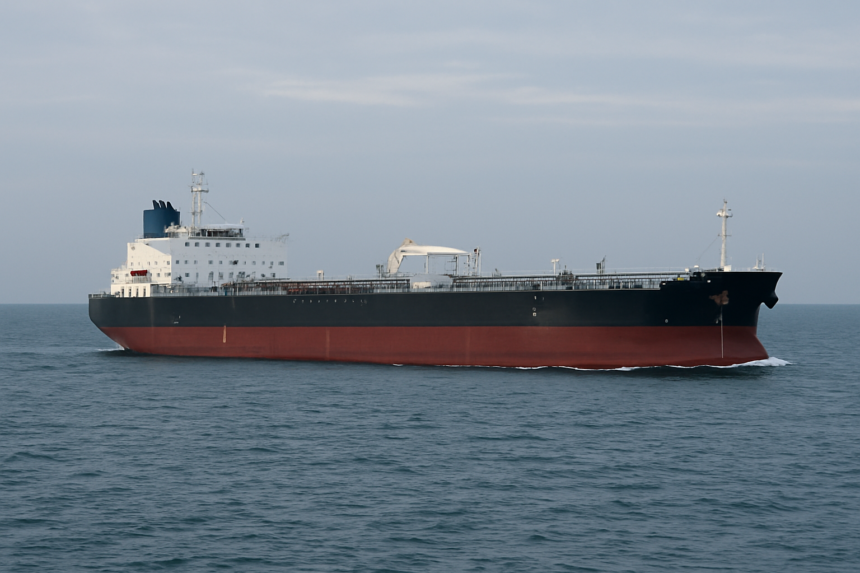
The recently signed Islamabad Memorandum of Understanding between the United States and Iran has officially reopened the strategic Strait of Hormuz, an essential maritime corridor for oil and gas shipments. This interim agreement comes as part of broader efforts to establish a framework aimed at reducing hostilities in the region. However, significant uncertainty surrounds the implementation of the plan, particularly concerning how future transit fees will be structured and enforced.

Details of the Agreement
The Islamabad Memorandum of Understanding is a comprehensive 14-point document designed to address various points of contention between the two nations. Key highlights include provisions for ensuring safe passage of commercial vessels and the establishment of dialogue mechanisms to address maritime security issues. While the framework represents a step toward detente, the specific details regarding operational protocols and transit fee structures remain ambiguous.
Impact on Global Shipping
As the Strait of Hormuz is one of the world’s busiest maritime chokepoints, responsible for a significant share of global oil transit, any changes here can have widespread implications for shipping operators. Analysts are closely monitoring how the new agreement will translate into actual operational guidelines for vessels traversing the area. Uncertainties regarding transit fees could lead to recalibrations in shipping costs, potentially influencing freight rates and chartering dynamics in the broader market.

The Operational Read
The reopening of the Strait of Hormuz, coupled with the Islamabad Memorandum, introduces both opportunities and challenges for maritime operators. While reduced hostilities may enhance safety and predictability, the lack of clarity on transit fees could disrupt established shipping patterns. Operators must remain vigilant, as any sudden changes could affect laytime negotiations and demurrage costs. It will be essential for stakeholders to engage with both governmental and industry parties to gain clarity over the coming months. Operators should also prepare contingency plans in case tensions re-escalate, ensuring readiness for swift operational adjustments.