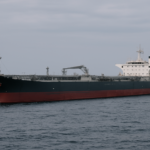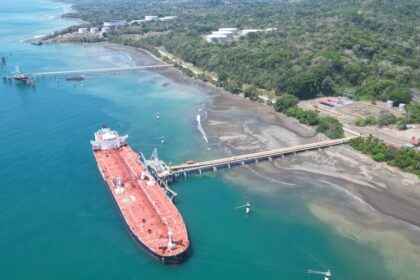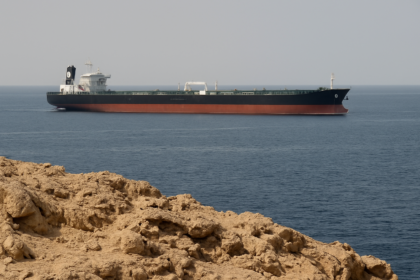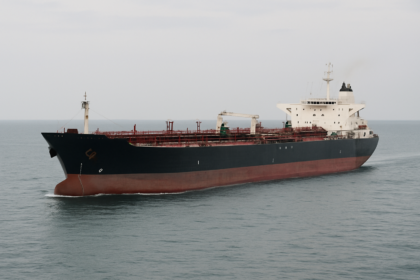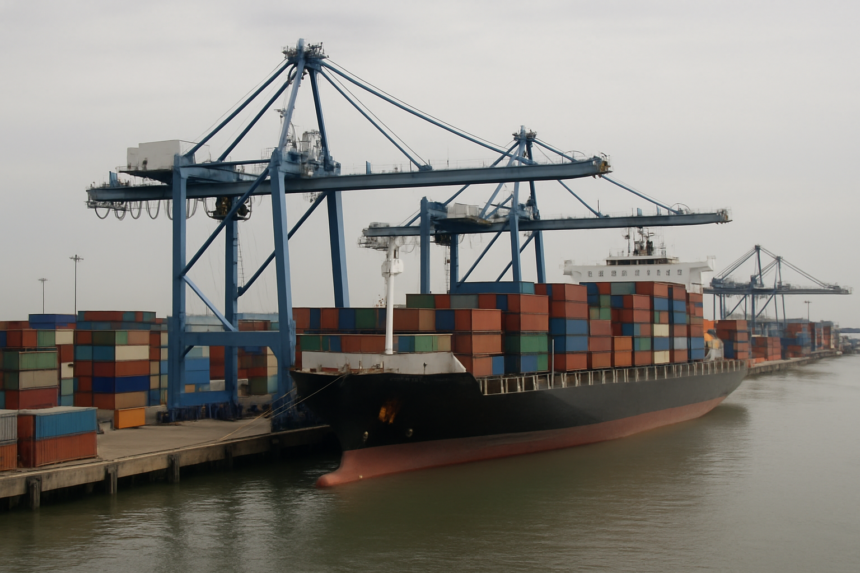
On Monday, the MSC Sariska V, operated by Geneva-headquartered shipping company MSC, was struck by two projectiles while at Iraq’s Um Qasr port. This incident highlights the ongoing tensions in the region, particularly between Iran and the United States, and raises serious concerns regarding maritime safety.
The Attack
The first projectile impacted the vessel during its departure, while a pilot was onboard, followed by a second projectile striking the crew accommodation area shortly thereafter. MSC confirmed that all members of the crew are safe and reported no injuries.
Statements and Reactions
In a statement, MSC noted that Iran’s Islamic Revolutionary Guards Corps (IRGC) claimed responsibility for the attack, branding it as a retaliation for actions involving the vessel Lion Star. MSC strongly rejected any justification for the strike, underscoring that it operates as a neutral commercial carrier without any affiliations to the U.S. or Israel. The company expressed deep concern over these ‘unprovoked attacks’ and the potential risks they pose for innocent seafarers, as well as for essential maritime trade in the region.

Market Implications
As geopolitical dynamics unfold, market participants remain vigilant, closely watching ongoing negotiations between the U.S. and Iran for any signs of progress. The lack of a meaningful breakthrough in talks only amplifies the threat landscape for vessels operating in the Middle East, prompting operators to reassess voyage plans and vulnerability to escalating hostilities.
Why It Matters
This incident emphasizes the precarious environment commercial vessels face in volatile regions like the Middle East. Operators may need to implement further safety measures and potentially adjust routes to mitigate risks associated with possible aggression. The situation calls for heightened awareness of geopolitical developments and their implications for crew safety and operational integrity. Shipping companies must navigate these challenges while adhering to strict charter party agreements and maintaining their operational readiness.