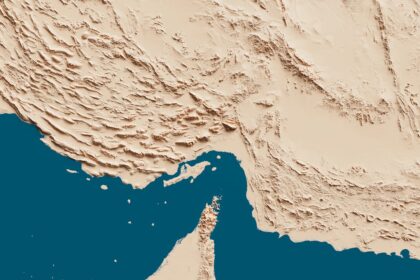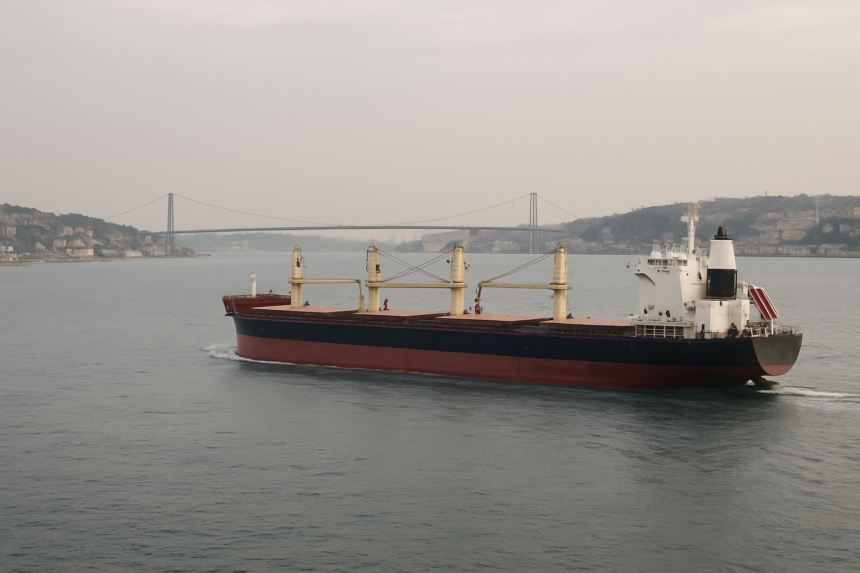
The recent announcement from Iranian authorities mandating a new insurance scheme for vessels transiting the Strait of Hormuz significantly intensifies the ongoing maritime security situation in the region.
The New Directive
The Iranian Persian Gulf Strait Authority (PGSA) has issued a multi-page directive requiring all ships to secure insurance from approved Iranian sources as a condition for passing through the strategically crucial Strait of Hormuz. This directive is seen as an assertion of de facto control over commercial traffic and has sparked widespread concern among shipping operators.
Tim Wilkins, managing director of INTERCARGO, highlighted the gravity of the situation, describing incidents of Iranian aggression, including reported warning shots against vessels. Such actions contradict the principles of freedom of navigation and undermine the safety of maritime operations in this key shipping lane.


Market Reactions
This compulsory insurance requirement not only raises operational costs for shipping companies but also opens the door to potential military confrontations in already tense waters. The directive indicates that any vessel that breaches the newly established insurance mandate may face retaliation.
The issuance of the directive raises questions about compliance with international maritime law, particularly UNCLOS Article 44, which allows for unimpeded passage through straits used for international navigation. Shipping stakeholders are now assessing the implications of this additional layer of regulation on their maritime activities.
Operator Implications
Maritime operators must analyze the new requirements carefully, especially regarding the legitimacy of the insurance policies being offered and their potential impacts on normal operations. The vagueness surrounding the nature of these insurance requirements adds further complexity, as industry insiders express uncertainty regarding who will effectively benefit from these arrangements.
This situation is further complicated by existing agreements between the U.S. and Iran, which had previously suggested a more streamlined process for vessel traffic in the seaway. However, with the latest developments, operators could see an increase in both war risk and P&I (Protection and Indemnity) insurance premiums as they navigate these uncharted waters.
The Operational Read
The newly implemented insurance requirement signals a significant shift in the maritime operations landscape for vessels transiting the Strait of Hormuz. Operators are facing an escalated risk profile wherein compliance with Iranian mandates may be accompanied by increased operational costs and potential delays. The looming threat of military actions further complicates the already precarious navigation environment, necessitating careful monitoring of developments in the region. Industry stakeholders should prepare for a heightened emphasis on war-risk assessments and contingency strategies while advocating for adherence to international navigation laws.