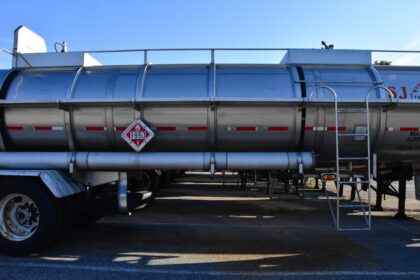
Recent analyses reveal a significant pivot in fuel supply routes as Russian gasoline imports from Western sources have surged. Data analyzed by Windward and Vortexa shows that Russia has imported a total of approximately 3.85 million barrels of gasoline and diesel from July to August 2026, a notable increase fueled by sustained Ukrainian strikes on domestic refining capabilities. The shift indicates a rising dependence on imports, particularly with gasoline and gasoline-blending components comprising around 3.1 million barrels of this total.
Morocco: A Key Blending and Re-Export Hub
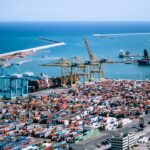
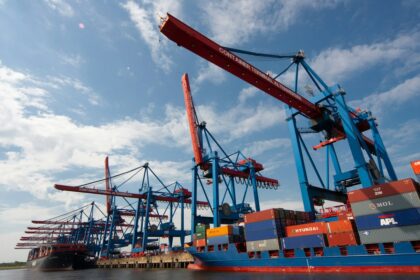
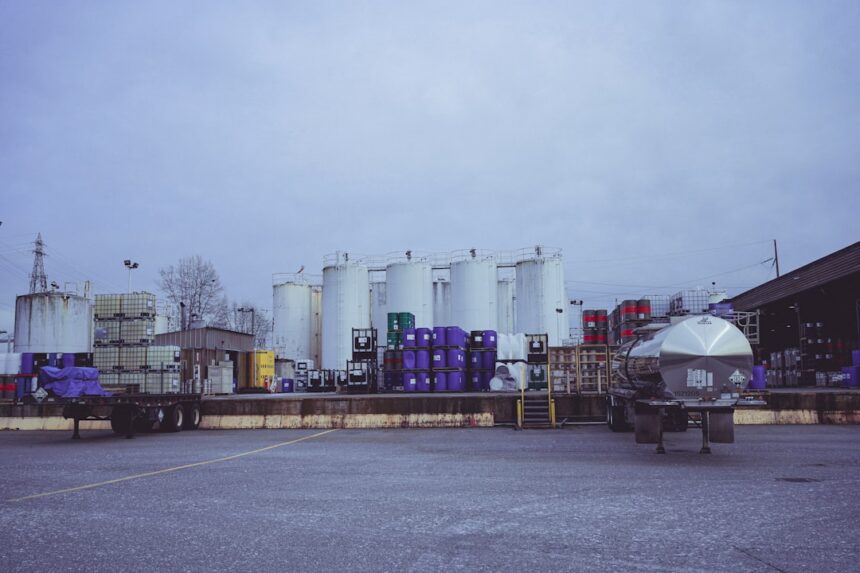
Port facilities in Morocco, specifically the 3.35-million-barrel tank storage terminal at Tanger Med, have emerged as instrumental in routing UK and EU-source gasoline to Russia. Between January and August 2026, approximately 1.0 million barrels of gasoline were received at this terminal from nine tankers originating in Spain, the Netherlands, Cyprus, Italy, and the UK.
Following this, about 1.0 million barrels were shipped to Russia between June and July 2026, with an additional 500,000 barrels currently en route. The terminal’s previous exports have revealed a consistent outflow of gasoline to Russia that exceeds the tracked inflow from the EU and UK, suggesting blending with older stocks at the facility to obscure the cargo’s origin.

South Korea’s Increasing Role
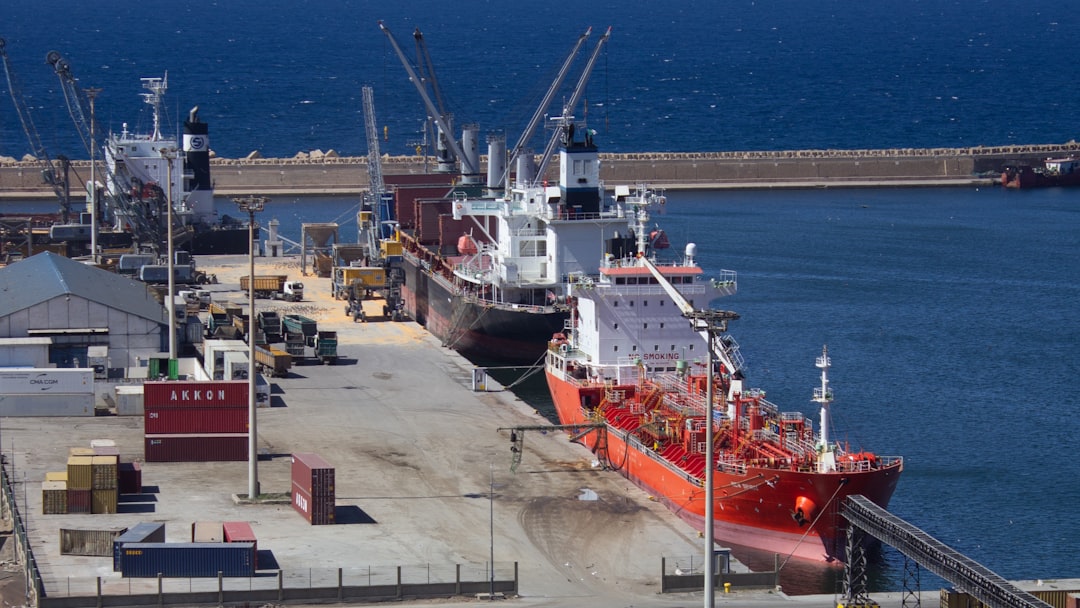
In parallel, South Korea has also contributed to meeting Russian fuel demands, recording a delivery of approximately 780,000 barrels of diesel and gasoline to Russia’s east coast between July and August. This increase represents a record volume delivered during this timeframe, utilizing a fleet that includes both sanctioned and non-sanctioned vessels.
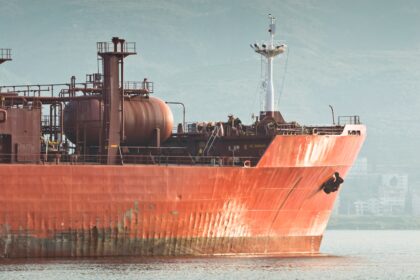
Notable shipments include a Barbados-flagged tanker that loaded 340,000 barrels of finished gasoline at a Yeosu storage terminal on August 5, subsequently transferring the cargo at sea to a sanctioned vessel for delivery to Vladivostok. This process demonstrates the complex network of ship-to-ship transfers capitalizing on loopholes amid ongoing sanctions against Russia.
Behind the Headline
The continued role of Moroccan ports in facilitating fuel transfers to Russia underscores a tactical response to geopolitical pressures and sanctions. With the infrastructure originally designed for re-exporting Russian products to Europe now functioning in reverse, operators must remain vigilant regarding the evolving dynamics of supply routes. The blending of refined products at locations like Tanger Med not only complicates regulatory oversight but also raises questions about the effectiveness of existing sanctions. Market participants will need to monitor these channels closely as they could influence pricing, supply stability, and regulatory measures in the coming months.