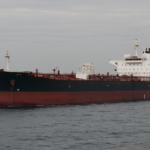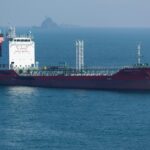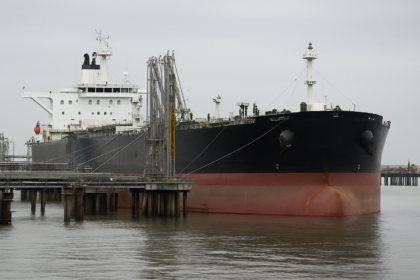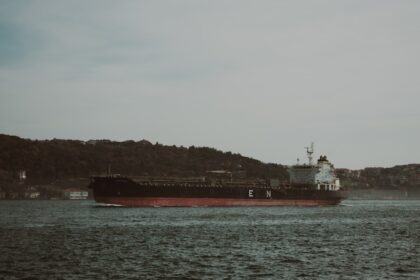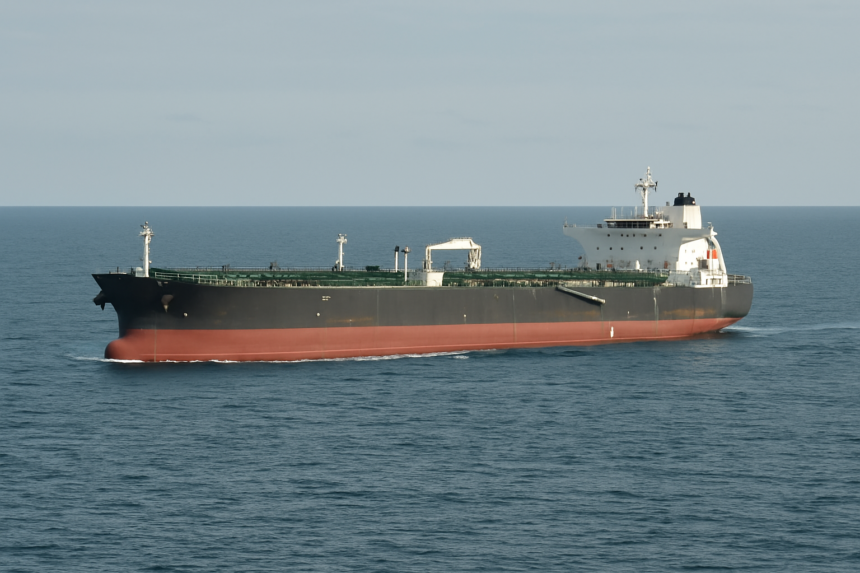
A significant environmental concern has emerged as satellite imagery suggests that the Caroline Bezengi, a tanker sanctioned for transporting Russian oil, is leaking in a protected marine region off the coast of Oman. This incident raises alarms not only for environmental safety but also for maritime operations in a geopolitically sensitive area.
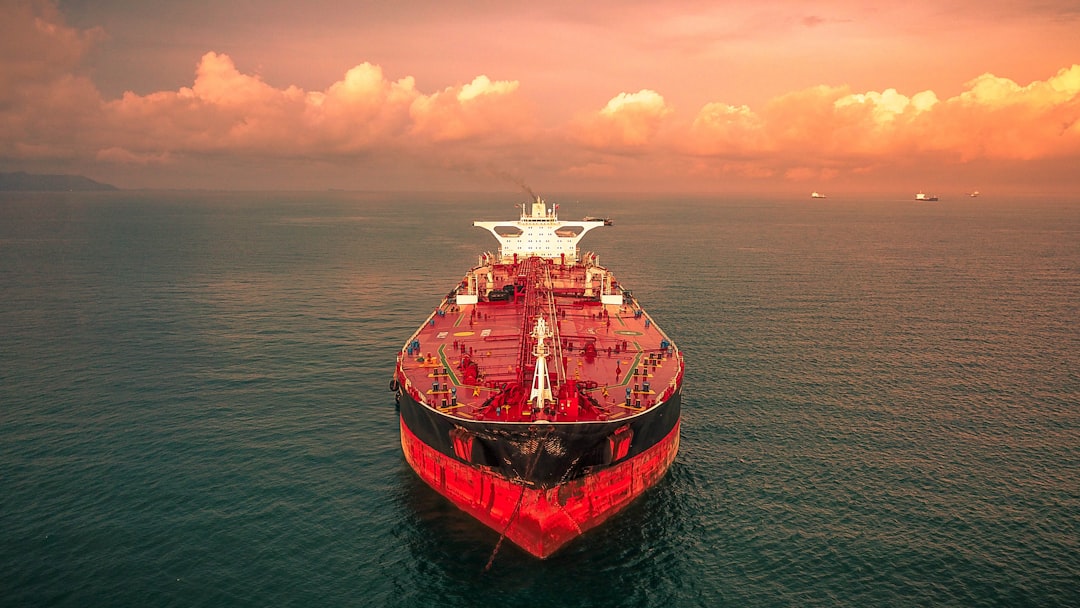
The Incident
According to analyses of satellite data, the vessel was observed leaking between July 2 and July 13 in a cove southwest of al-Qibliyyah island, presenting as a distinct silver and grey oil slick. Ship tracking information indicates that the Caroline Bezengi took on Russian oil in Novorossiysk before embarking on its current route, having last sent an automatic identification system (AIS) signal on June 11 near the coast of Yemen. Multiple independent specialists have validated the presence of this oil slick through satellite imagery.
Environmental and Security Concerns
The leaks from the Caroline Bezengi present serious environmental risks in the sensitive waters of Oman, known for its biodiversity. Experts speculate that the cause of the leakage could stem from operational malfunctions, given the age and maintenance standards of Russian tankers often referred to as part of the shadow fleet circumventing sanctions. Another possibility is damage resulting from external attacks, potentially linked to ongoing conflicts in the region involving Ukraine and Iran.

Maritime security sources reported that the Caroline Bezengi first encountered operational difficulties on June 8 off the coast of Mukalla, Yemen. Confirmation has been obtained from one security source regarding the spill, although the exact cause remains undetermined. The vessel’s owner, Rentoor Shipmanagement, based in Shanghai, has not responded to inquiries, and the Oman Maritime Security Centre and Oman’s Environment Authority have also remained silent on the matter.
Impact on Maritime Operations
The ramifications of this incident extend beyond environmental concerns; they highlight the complexities of maintaining maritime security and compliance under international sanctions. The European Union and the UK have designated the Caroline Bezengi as a sanctioned entity due to its involvement in transporting Russian fuels, a decision that complicates its already precarious operational status. As the situation evolves, the repercussions on shipping routes and practices in the area will likely be monitored closely by international observers and maritime operators alike.
The Operational Read
The leaking of oil from the Caroline Bezengi serves as a stark reminder of the operational vulnerabilities inherent in older vessels, particularly those operating in sanctioned environments. For shipping operators, especially those involved in the transport of sensitive cargo, this incident underscores the importance of stringent maintenance protocols and the need for enhanced monitoring systems to prevent environmental disasters. The geopolitical context complicates matters further, as heightened tensions in the region may lead to increased scrutiny and risk for vessels similarly positioned. Future movements and compliance measures for vessels involved in the transport of Russian oil are likely to face intensified regulations, impacting the operational landscape in this crucial maritime zone.