Update 19 Jun 2026, 08:35 UTC:
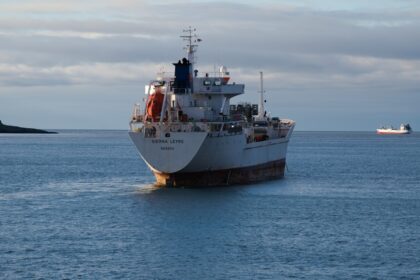
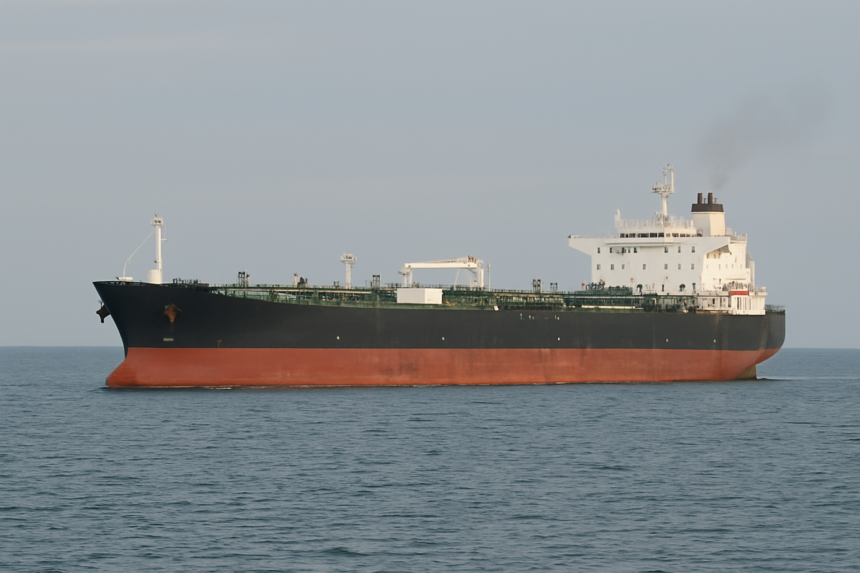
After a prolonged period of relative inactivity, the Strait of Hormuz is witnessing a revival of maritime activity, with MarineTraffic reporting 17 vessel transits on Thursday and two more in the early hours of Friday. This marks a tentative rebound for a critical waterway that has been effectively closed for nearly four months due to escalating tensions.
The Current Situation
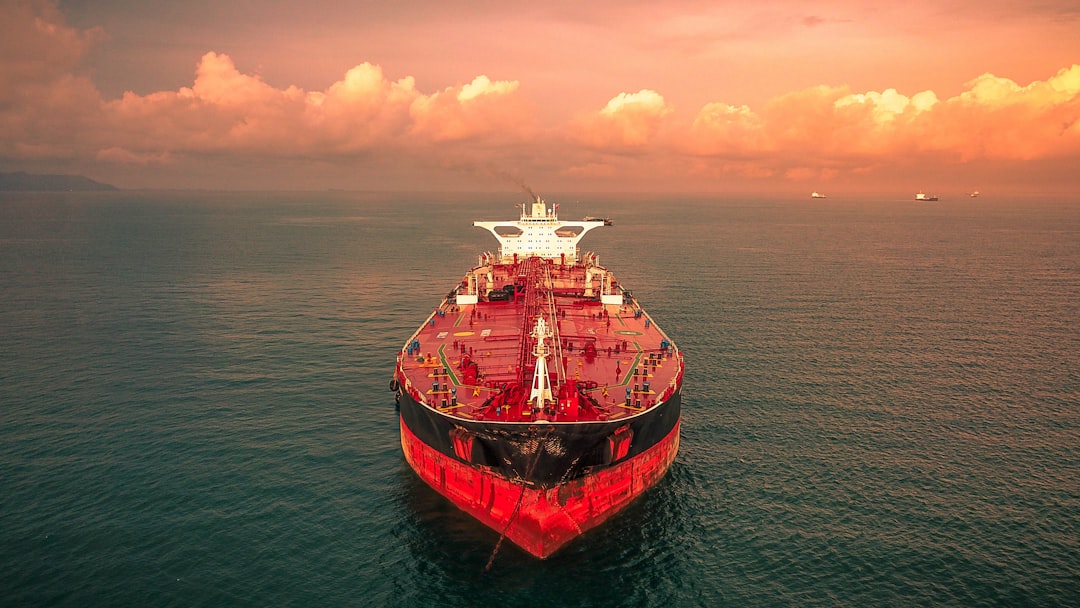
The Strait of Hormuz is renowned as a pivotal chokepoint, where approximately 20% of the world’s oil trade passes. The recent increase in transits signals a potential easing in shipping logistics, but the underlying diplomatic framework is already exhibiting cracks. Concerns intensify as maritime operators monitor the evolving U.S.-Iran situation, which has been marked by fluctuating threats to vessel safety.

This recent activity occurs against the backdrop of disruptions and heightened security measures, with reports indicating a pressing need for vigilance given the historical prevalence of naval mines in the region. Shipping companies are advised to recalibrate their operational strategies to navigate potential safety hazards.
Geopolitical Ramifications
The return of vessel traffic through the strait is promising; however, the fragility of the existing U.S.-Iran memorandum of understanding casts a shadow over its durability. The risks associated with mines and the uncertain diplomatic landscape necessitate a cautious approach from shipping lines and charterers. This environment prompts increased scrutiny of insurance premiums and war-risk coverage, which may influence operational costs and freight rates moving forward.
Maritime industry stakeholders are evaluating rerouting options and backup plans as they brace for potential escalations. Future developments will hinge on diplomatic negotiations and Iran’s responses to renewed international pressures.
The Operational Read
The recent uptick in shipping activity within the Strait of Hormuz raises important considerations for operators and charterers alike. While the resumption of transits is a positive sign, the spectre of increasing geopolitical tensions cannot be overlooked. For operators, maintaining a constant state of readiness is crucial, as changes in the security landscape can emerge suddenly. Vigilance in voyage planning and real-time monitoring of vessel movements will be essential, alongside potential adjustments in routing to mitigate risks. The upcoming weeks will be critical for stakeholders to assess the stability and security of this essential maritime corridor.