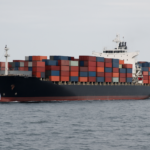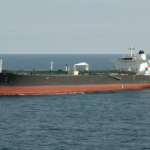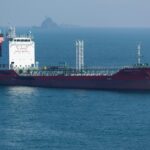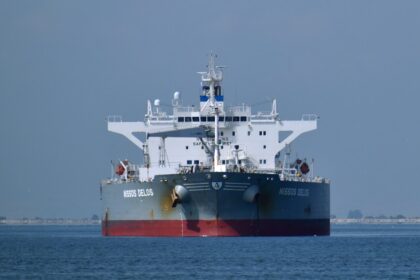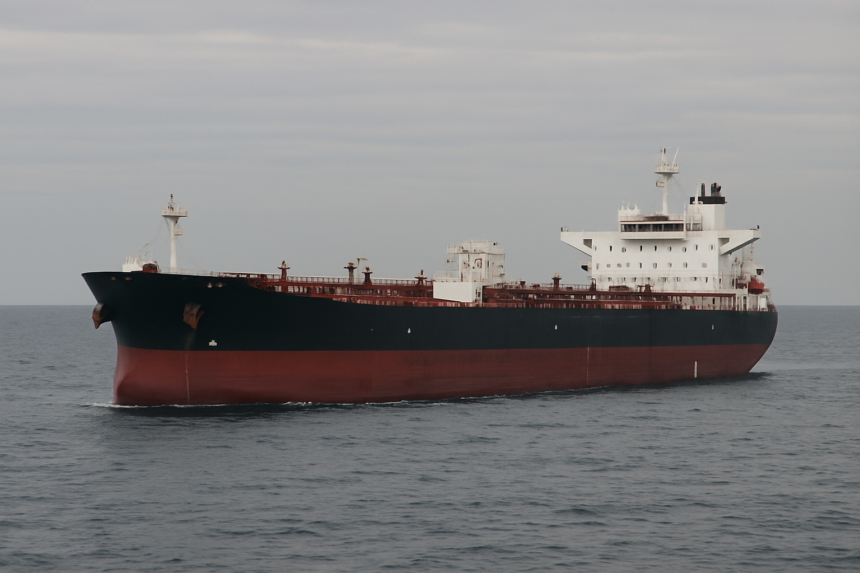
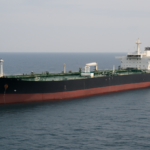
On Friday, July 18, the Suezmax-class oil tanker Nordic Zenith, chartered by ExxonMobil, was damaged during a drone attack at the Caspian Pipeline Consortium (CPC) terminal off Russia’s Black Sea coast. The vessel was preparing to load oil when it came under assault from two drones, resulting in a fire that was subsequently extinguished.
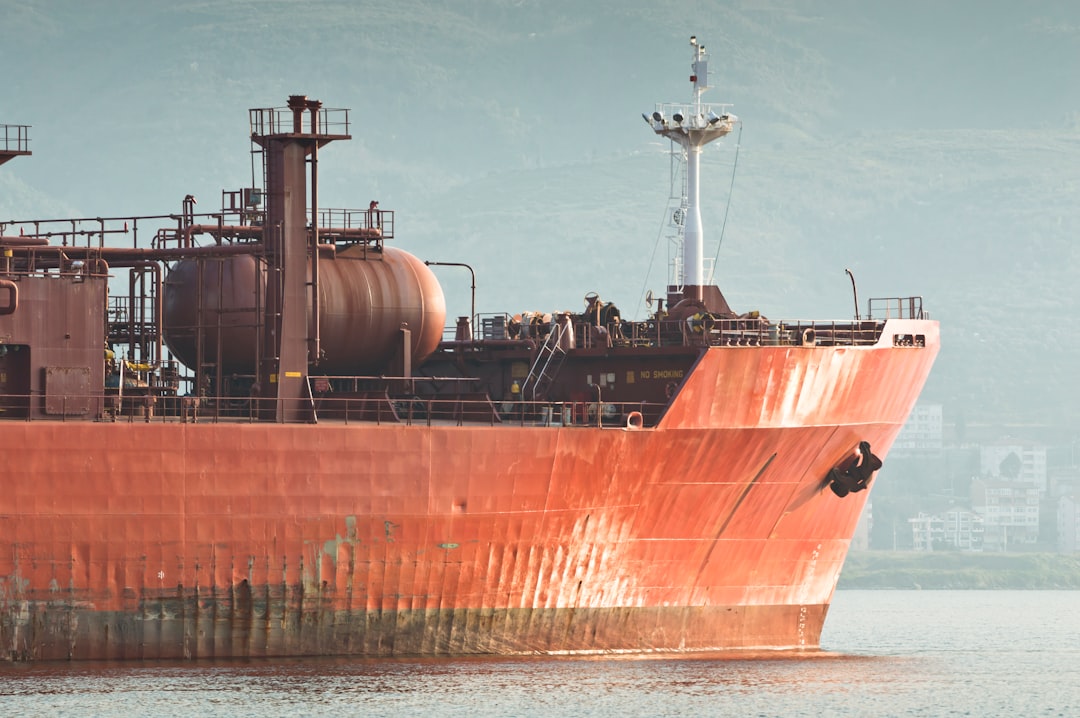
The CPC reported that 13 crew members were evacuated by nearby CPC vessels, while nine crew members chose to remain onboard the Nordic Zenith. Following the incident, CPC confirmed that the tanker has now been removed from the loading schedule and is deemed unfit for mooring or loading operations at the terminal.
The Incident
CPC has not identified the party responsible for the drone attack. However, it represents a worrying trend, as both Russian and Ukrainian forces have escalated attacks on maritime assets in the Black and Azov seas amidst ongoing conflict. This new phase of hostilities marks a significant shift, as previous confrontations have primarily occurred on land and in the skies.

Market Impact
The CPC, which comprises a 940-mile oil pipeline linking Kazakhstan’s Caspian Sea oil reserves to Russia’s Black Sea port of Novorossiysk, plays a critical role in global oil supply. The terminal at Novorossiysk accounts for approximately 80% of Kazakhstan’s oil exports. Disruptions to this fundamental supply chain can amplify pressures on oil markets, particularly as geopolitical tensions continue to influence shipping security in the area.
Operator Response
An Exxon spokesperson indicated that the company does not engage in discussions regarding operational specifics concerning marine transportation, noting that ExxonMobil does not own or operate marine vessels directly. It emphasizes that marine transport activities are handled by independent vessel operators. The incident may raise concerns among operators regarding the security of assets in the Black Sea region, leading to increased scrutiny and possible adjustments in shipping routes.
The Operational Read
This incident illustrates the growing risks maritime operators face along critical shipping corridors like the Black Sea. The continued threat of drone and missile strikes may effectuate higher war-risk premiums and compel operators to reevaluate their routing and security protocols. The involvement of both state and non-state actors in maritime operations will necessitate enhanced situational awareness and potentially the reallocation of resources to ensure crew and vessel safety. For charterers and shipping companies, the need for diligent risk assessment and flexible strategies will be paramount as instability in these waters persists.