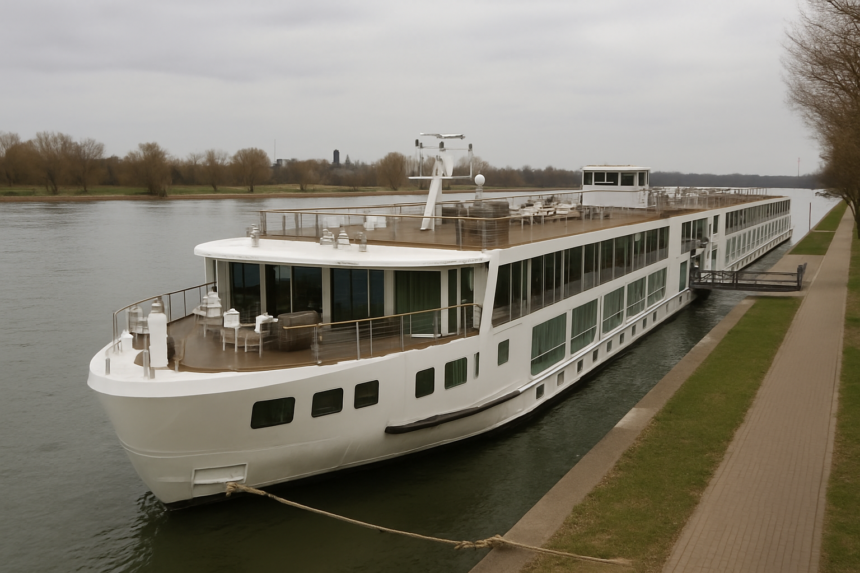
Significant disruptions to river cruise operations on the Danube River have arisen as water levels near Budapest have dipped to near-record lows. This has left several cruise vessels stranded and suspended sightseeing trips, affecting Hungary’s tourism sector during a peak travel period.
The Current Situation
According to data from Hungary’s Water Authority, the water level of the Danube River in Budapest fell on Thursday morning to just eight centimeters (3.15 inches) above the record low established eight years prior. Although predictions suggest water levels may rise next week, the current situation has created operational challenges for the river cruise sector.
MAHART-PassNave, a prominent sightseeing operator, noted that while river cruise vessels can still technically enter Hungary, many ships have been compelled to remain in ports due to the inadequate water levels. Chief Executive Laszlo Somodi highlighted that the decline in water levels is part of a longer-term trend. Despite various adaptations employed by shipping companies and ports, river levels are increasingly falling below operational limits.

Economic Impact
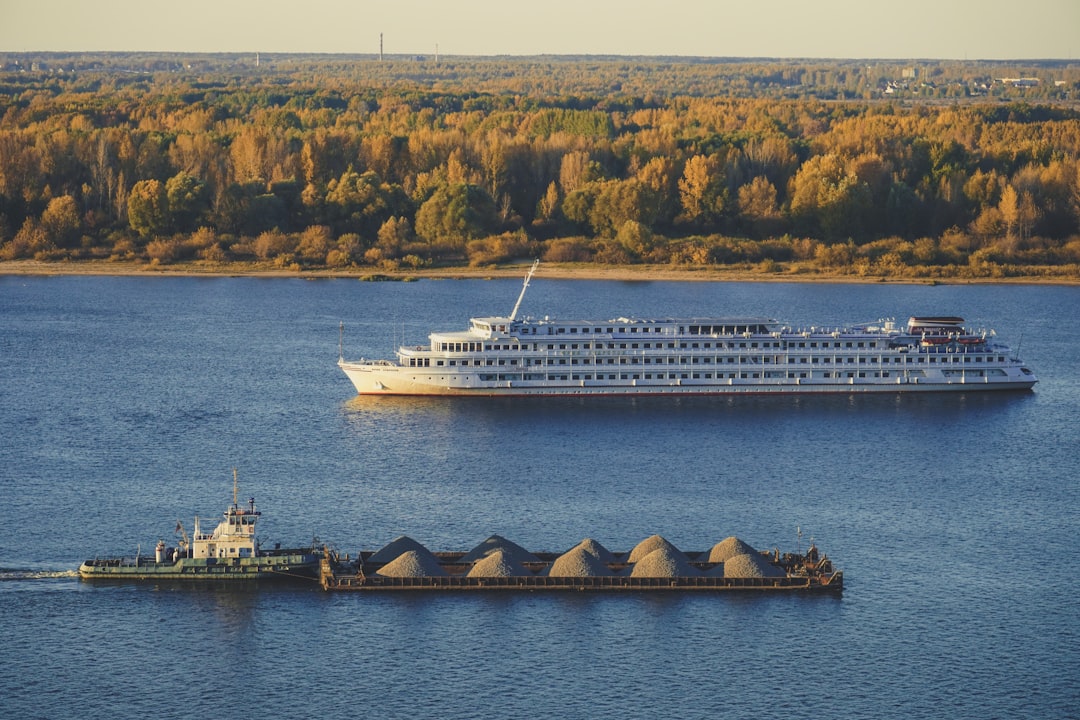
The ramifications of these low water levels extend beyond the immediate operational disruptions. Notably, the international river cruise sector has emerged as a crucial component of Hungary’s shipping industry, transporting around 600,000 passengers annually and providing significant economic contributions. With the northern ports of Gonyu and Komarom experiencing heightened traffic, the backlog of cruise vessels in Budapest and Mohacs underscores the ongoing challenges facing the sector.
In July, MAHART-PassNave reported an 18% decrease in bookings due to cancellations stemming from the reduced water conditions. Several sightseeing tours to cities north of Budapest have consequently been suspended. River cruise operator Avalon Waterways also announced the cancellation of several upcoming departures on the Danube and Rhine rivers due to low-water conditions.
Looking Ahead
As the situation develops, industry stakeholders will be closely monitoring water levels, with services expected to resume next week if conditions improve as projected. The tourist season’s success hinges on the navigability of the rivers and the operational resilience of cruise operators amidst rising environmental challenges.
Behind the Headline
This situation highlights the vulnerabilities faced by the river cruise industry, particularly in the context of climate variability that leads to fluctuations in water levels. For operators and charterers, the implications can be significant, especially as travelers seek reliable experiences. Continuous monitoring of environmental conditions will be essential, and regional authorities must explore sustainable solutions to enhance waterway management, ensuring that economic activities dependent on the rivers remain viable in this changing landscape.