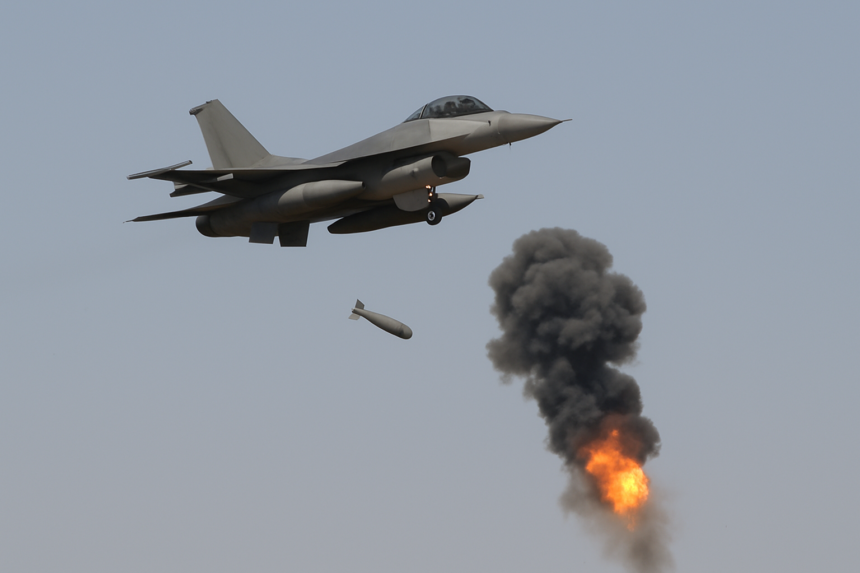
On July 18, 2026, the United States launched a series of airstrikes against Iranian military targets in response to missile and drone attacks that killed two American servicemen in Jordan. US Central Command stated that the strikes are intended to diminish Iran’s capability to threaten commercial shipping in the strategically critical Strait of Hormuz.
The Incident
The airstrikes were executed under the direction of the Commander in Chief and were part of a broader strategy to penalize the Islamic Revolutionary Guard Corps (IRGC) for their recent actions against US personnel. The escalation follows a series of exchanges characterized by increasing aggression from both sides. Reports indicate that four additional troops were wounded and one is currently unaccounted for, contributing to a total of 16 US military deaths related to the ongoing conflict since it reignited on February 28.
Iran has reacted vehemently to recent US airstrikes, with Supreme Leader Mojtaba Khamenei asserting that the US’s violations of a temporary ceasefire demonstrate the invalidity of American commitments. This aftermath has included heavy retaliation against Gulf States, particularly Kuwait and Jordan, as Tehran resumes hostilities with lethal implications for regional stability.

Geopolitical Context
Hopes for a peaceful resolution have significantly diminished following the resumption of strikes, which have expanded to include civilian infrastructure such as bridges, utilities, and port facilities. This pattern of targeting indicates a concerning shift from precise military actions to broader strategies that jeopardize civilian safety. According to the Ministry of Foreign Affairs in Kuwait, the Iranian strikes on vital installations constitute serious violations of international law.
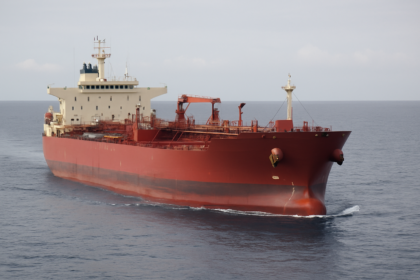
Furthermore, the US has reaffirmed its commitment to maintaining a naval blockade against Iran, having redirected several commercial vessels and decommissioned one since July 18. This intensified military posture underscores the determination of US forces to secure maritime routes critical for global trade, despite the potential costs to operational safety for commercial vessels transiting the region.
The Operational Read
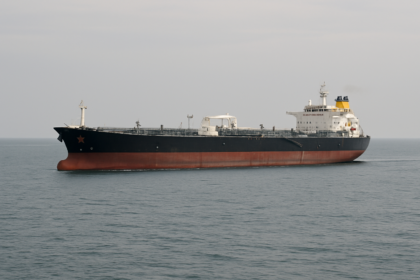
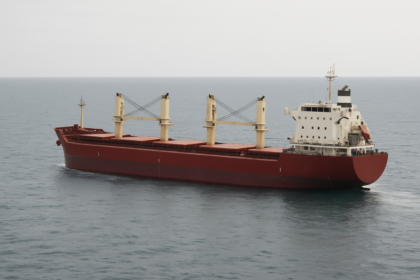
The escalation of military operations in the region poses immediate challenges for maritime operators and shipping companies. Given the strategic importance of the Strait of Hormuz, which serves as a critical chokepoint for approximately 20% of global oil shipments, the volatility may lead to increased war-risk premiums and delay in transit times for vessels. Operators must now navigate heightened risks, including potential detours and added security protocols. The situation necessitates close monitoring of developments to adequately protect assets and ensure safe passage through affected waters while preparing for further disruptions in an increasingly hostile environment.