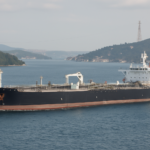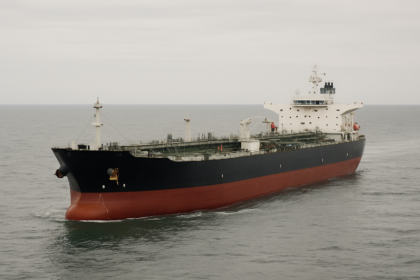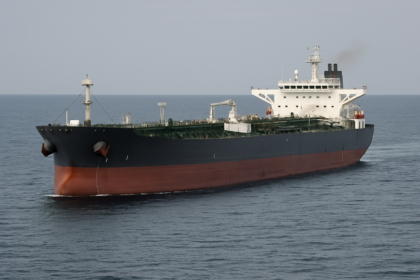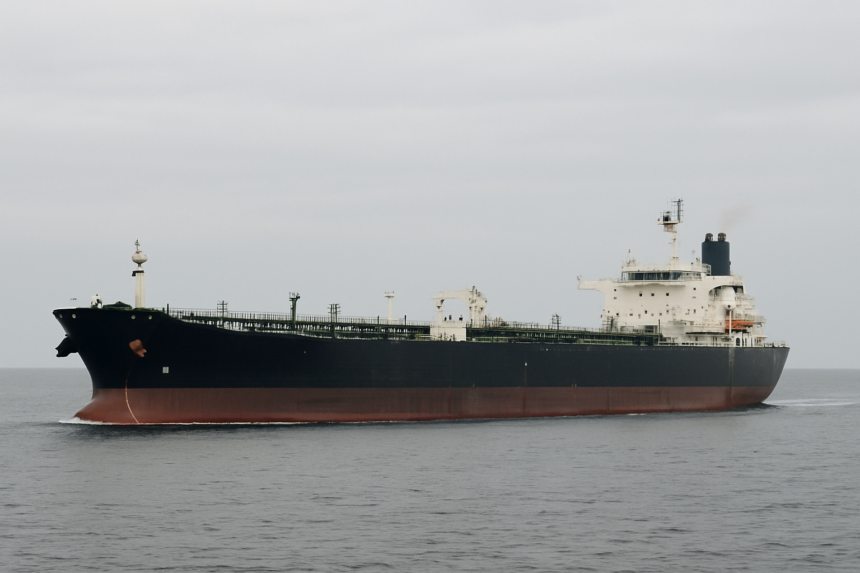
A Qatari LNG tanker, the Al Rekayyat, is reported to be at risk of explosion after sustaining damage from an attack in the Strait of Hormuz. The incident occurred overnight, with sources indicating that Iranian missiles targeted commercial vessels in the strategic waterway. This marks a significant escalation in maritime tensions, particularly as it is the first known attack on a Qatari LNG ship since the commencement of hostilities at the end of February.
The Incident
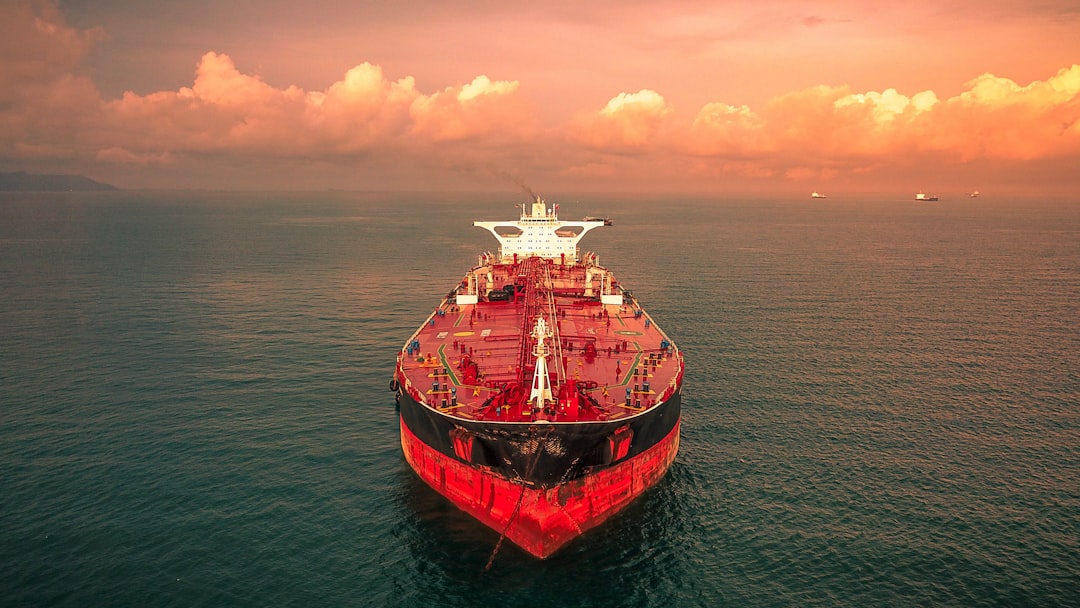
The Al Rekayyat, loaded with liquefied natural gas, transmitted a distress signal that detailed the vessel being struck on its port side. In a recorded radio call, the captain cited a fire in the engine room, reporting, “Mayday mayday mayday. This is vessel Al Rekayyat, LNG vessel Al Rekayyat. We are being hit by drone on port side, top of engine room…. Status: engine room fire and full of smoke.” Fortunately, the crew members are confirmed safe and are in the process of evacuation.
Additionally, a Saudi-flagged crude oil tanker, believed to be the supertanker Wedyan, was reported damaged off Oman’s coast, although the specifics of the damage and the cause remain uncertain. The Al Rekayyat is owned and operated by Nakilat, Qatar Gas Transport Company Ltd, which manages one of the world’s largest LNG shipping fleets.

Market Impact
Following the attacks, there has been a notable increase in crude oil tanker rates, with average daily charges for loading vessels in the Gulf rising to nearly $300,000. This marks a significant turnaround from lower rates just a week earlier. The incidents have reignited concerns within the shipping industry, as the unpredictable flow of maritime traffic continues to inject volatility into Middle Eastern tanker markets, according to ship broker BRS.
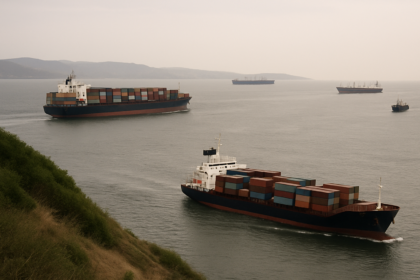
Ship traffic through the Strait of Hormuz has escalated over the past week, with daily averages ranging between 25 to 40 vessels, significantly below the typical pre-conflict average of 125 sailings. Furthermore, a Liberia-flagged LPG tanker, thought to be the Al Maryah, was diverted by Iranian forces to sail closer to Iran’s coast, indicative of the ongoing military tension in the region.
Operator Response
In the aftermath of these incidents, operators in the region will face heightened risks and possible operational challenges. The reactions from Qatari and Saudi officials have been limited, with Qatar’s foreign ministry attributing full legal responsibility for the attacks to Tehran. As there has been no formal claim of responsibility from Iranian authorities, shipping firms are urged to implement stringent risk management protocols while navigating these troubled waters.
The Operational Read
The operational landscape in and around the Strait of Hormuz has become increasingly precarious following these recent incidents. Shipping operators must now contend with heightened risks of attacks, which may necessitate the reassessment of route planning and additional security measures for vessels transiting the area. The volatility in tanker pricing reflects newfound financial pressures that operators may face due to increased war-risk premiums and disruptions in supply chains. Future developments will likely hinge on diplomatic responses and military posturing, making it vital for stakeholders to maintain situational awareness and readiness for potential changes in operational protocols.