Update 30 May 2026, 15:15 UTC:
On May 29, 2026, President Donald Trump announced via social media his intentions to lift the U.S. naval blockade of Iran, contingent upon the formal establishment of a ceasefire agreement. This development may significantly alter the current maritime landscape within the Persian Gulf, a crucial region for oil transport.
Current Situation
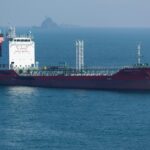
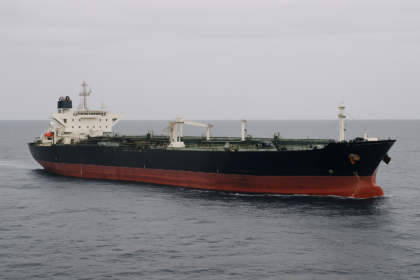
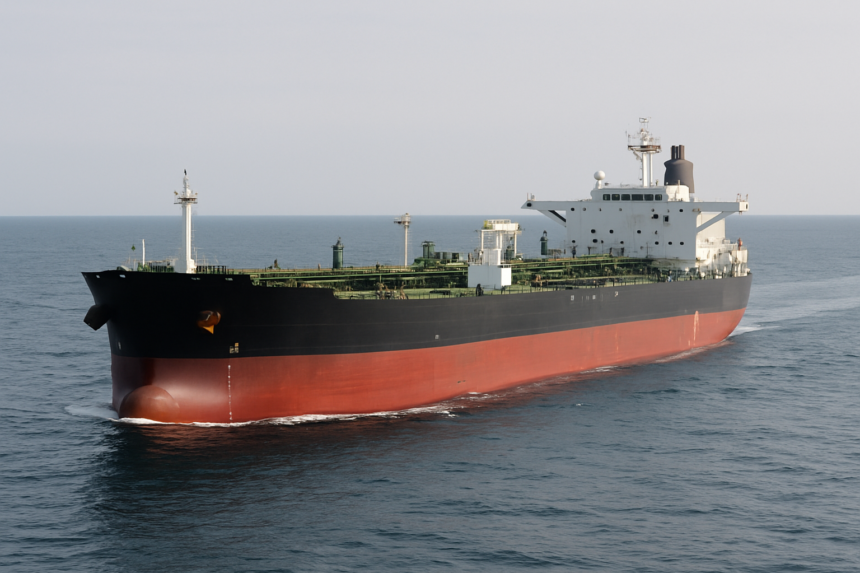
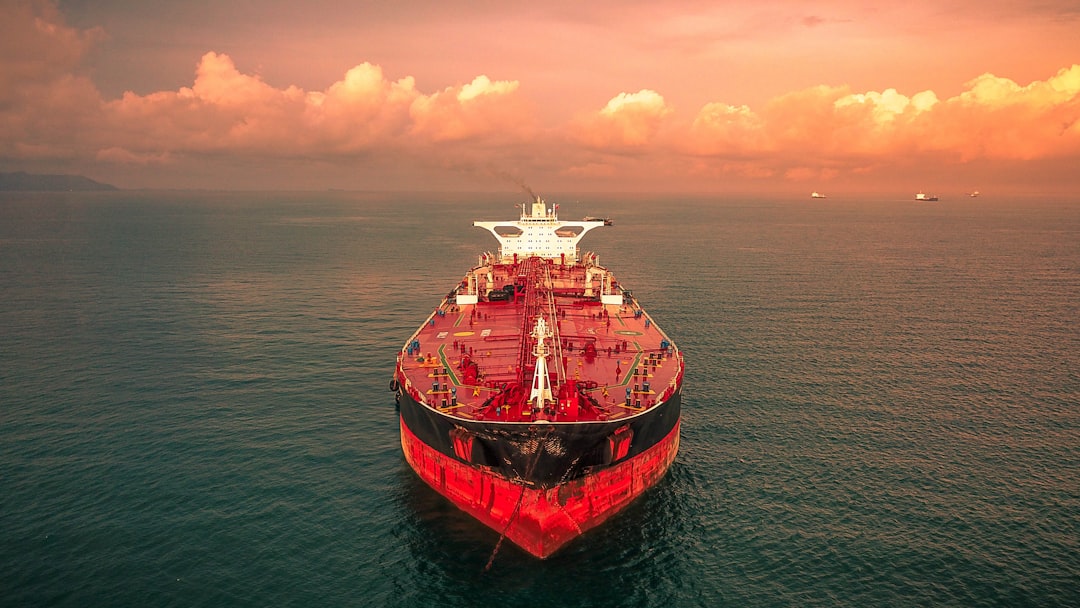
As hostilities continue, approximately 29 of the 109 large oil tankers that were trapped in the Persian Gulf since the outbreak of the conflict have reportedly managed to escape or have been granted permission for transit by Iranian authorities. Notably, the Maritime Executive reported this figure based on Automatic Identification System (AIS) data and maritime traffic analysis. The situation remains fluid, with many operators awaiting official confirmation of the blockade’s end before making further shipping plans.


Operational Impact
The end of the naval blockade could lead to a renewed flow of crude oil from the Persian Gulf, where a significant portion of the world’s oil supply is transported. Should tankers begin to resume operations freely, operators may experience changes in war-risk premiums, possibly seeing a reduction as tensions ease. Shipping companies will likely reassess their routes and logistics. It is essential to note, however, that the lack of a defined timeline for the end of blockade adds a layer of uncertainty, creating challenges in logistical planning.
Market Implications
The shipping and oil industries are vigilantly reassessing the implications of this announcement. A lifting of restrictions could revitalize demand for supertankers, which play a pivotal role in global oil supply chains. Additionally, the potential resolution of maritime safety concerns could shift the balance of charter party negotiations, especially for vessels operating in historically volatile areas. Industry stakeholders will be keenly observing the geopolitical climate as developments unfold.
The Operational Read
The potential end of the U.S. naval blockade represents a significant operational shift that could affect the global shipping landscape dramatically. For operators, the immediate concerns revolve around recalibrating shipping routes and reassessing safety premiums. The possibility of vessels resuming instant readiness to navigate the Persian Gulf may prompt a surge in commercial activity, enabling oil exporters to stabilize supply chains after months of disruptions. Close monitoring of Iran’s regulations on shipping traffic will be crucial for charterers and operators in the coming weeks.