Update 10 Jul 2026, 12:34 UTC:
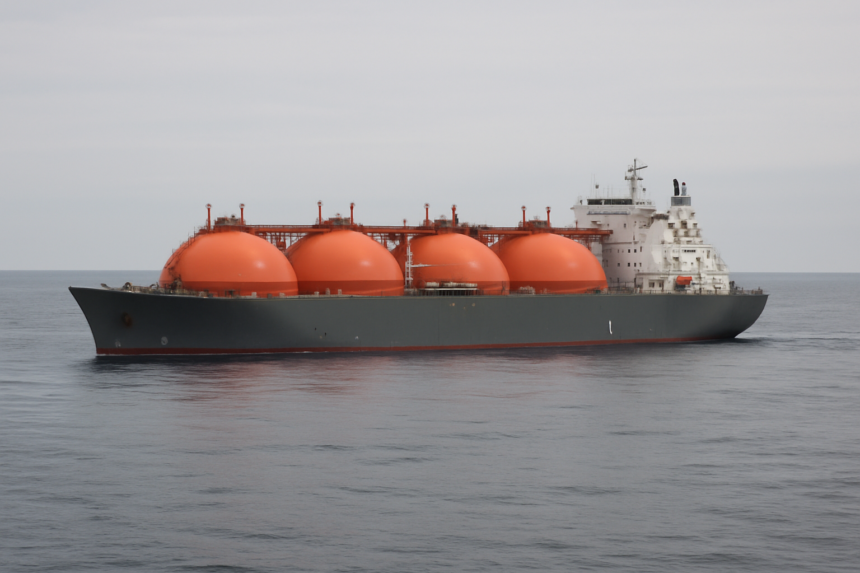
Recent ship-tracking data indicates a notable increase in liquefied natural gas (LNG) tankers transiting the Strait of Hormuz, even amidst escalating tensions in the Middle East. This uptick includes the departure of 22 Japan-linked vessels between July 7 and July 9, as reported by officials from Japan’s transport ministry.
Transit Details
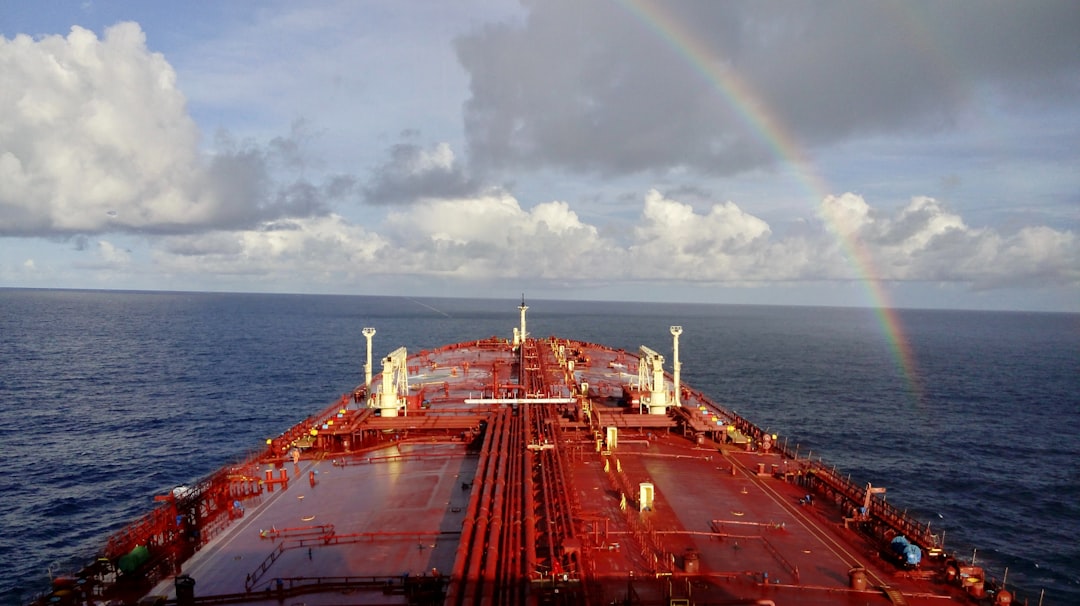
The Strait of Hormuz, a critical corridor for global oil and LNG transportation, has been under heightened scrutiny following Iranian attacks on commercial vessels and subsequent U.S. retaliatory strikes. Despite these actions, data from Kpler and LSEG reveals that at least five ballast LNG tankers have recently entered the strait. Vessels such as the GasLog Shanghai, managed by Greek shipping firm GasLog, and QatarEnergy-linked carriers like Al Samriya, Al Dafna, Al Gattara, and Al Rayyan were noted in these movements. Observations show that the GasLog Shanghai and Al Rayyan likely transited into the strait overnight on July 9.

Market Implications
The ongoing conflict has significantly impacted vessel traffic patterns in the region. Xavier Tang, a senior market analyst at Vortexa, noted a shift in Iranian tactics. After initial indiscriminate targeting of vessels, Iran has now focused its efforts on ships using the ‘Omani route’, prompting operators to either reroute through the ‘Iranian route’ or adopt dark transit strategies to mitigate risks. This shift in approach signals a potential change in how commercial shipping navigates the region’s existing threats.
Japanese officials report a drastic reduction in the number of Japan-linked vessels operating in the Gulf, dropping from 45 vessels at the conflict’s outset to just four. This shift, which encompasses around 1,100 crew members down to about 100, highlights the serious implications of the current security environment. The transport ministry has declined to provide details on specific safety assurances, citing ongoing security concerns.
Future Outlook
As tensions continue to influence maritime operations in and around the Strait of Hormuz, operators and shipping companies must remain vigilant. The strategic importance of maintaining safe transit routes will be paramount, and ongoing geopolitical developments will dictate traffic patterns. Operators are advised to stay informed on shifts in risk profiles as stakeholders adapt to the evolving landscape of maritime security and operational challenges.
Behind the Headline
The resumed transit of LNG tankers through the Strait of Hormuz underscores the resilience of shipping operations even amid regional instability. The preference for rerouting strategies reflects an adaptive approach by operators navigating the complexities of geopolitical tensions. As shipping companies evaluate risk management practices, particular attention should be paid to the evolving threats from regional actors. All stakeholders in the supply chain will need to balance operational efficiency with safety considerations in the face of an unpredictable environment.