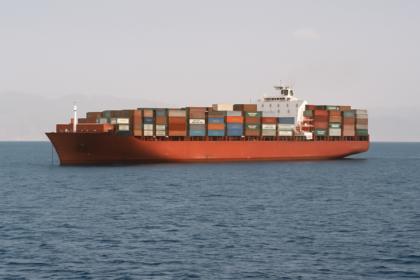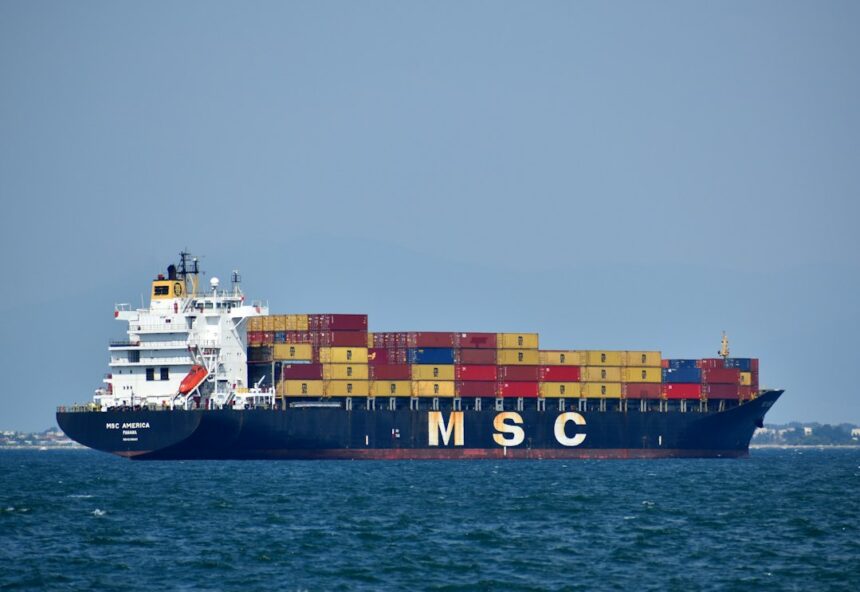
The container shipping market is displaying notable dichotomy, particularly highlighted by a recent report indicating a 6.8% increase in spot rates from the Far East to the Mediterranean. As of November 19, 2026, the average spot rate for this route reached USD 4,989 per FEU, surpassing the rates to North Europe by USD 1,551 per FEU. This surge occurs amidst a backdrop of declining average freight rates on other major routes.
The Current Market Landscape
According to data from Xeneta, offered capacity has been on the rise for various fronthaul services from the Far East to Europe and the US, contributing to a broader softening of average spot rates. However, the Mediterranean trade is behaving anomalously as rates continue to climb, making this trend particularly significant. The prevailing uncertainty in the region can partially be attributed to recent disruptions in the Red Sea area.

Red Sea Transit Trends
Container ship transits through the Bab el-Mandeb Strait, often crucial for shipping routes from the Far East to the Mediterranean, have exhibited considerable fluctuation. After a peak of 463 transits in October, the daily average has fallen steeply by 28% as of November 19, indicating a reduction in operational capacity. This decline raises concerns about the stability of services dependent on this strategic chokepoint.


Implications for Operators
The contrasting behaviors of freight rates mark an important reminder for shippers navigating the current market environment. While the general forecast anticipates downward trends for freight rates in 2027, the situation in the Red Sea poses risks of unexpected spikes, particularly affecting operational routes heavily reliant on this corridor. The complexities of shipping logistics are increasingly evident, reaffirming the need for effective risk management strategies.
Behind the Headline
The recent fluctuations in container shipping rates underscore the intricate dynamics at play within the global supply chain. The increase in rates to the Mediterranean amidst declining overall rates highlights a significant operational risk for shipping operators. As disruptions in the Red Sea can have cascading effects, it is essential for logistics managers to develop flexible strategies to mitigate potential supply chain interruptions. Monitoring container transit statistics will be critical for stakeholders aiming to navigate this unpredictable market landscape effectively.