Update 18 Nov 2026, 20:33 UTC:
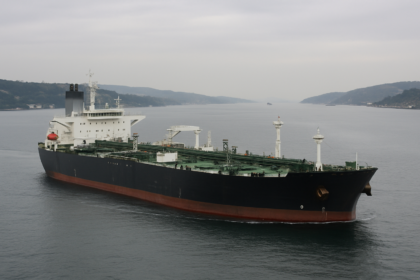
The Panama-flagged LPG tanker TARA GAS continues to burn and drift in the Strait of Hormuz, raising concerns over maritime safety in the strategically important waterway. A NAVAREA IX navigational warning issued at 1500 UTC on Wednesday highlighted that the vessel is adrift approximately 5.7 nautical miles off Khawr Ghub Ali, Oman. This notification follows reports and confirmation of multiple attacks on the vessel, which left significant damage and one seafarer reported missing.
The Incident
The initial attack on TARA GAS occurred on November 16, approximately seven nautical miles north of Khasab, according to UK Maritime Trade Operations (UKMTO). This assault resulted in an engine-room fire that disabled the vessel. A second attack on November 17 led to another fire and forced the crew to abandon ship. Omani authorities were able to rescue 24 out of the 25 crew members, while one Indian seafarer remains unaccounted for. Reports indicate that two rescued Indian crew members suffered injuries and were hospitalized in Khasab.


Accompanying this incident, ADNOC Logistics & Services reported that one of its tankers, identified as NAVIG8 MESSI, was attacked while traversing the Strait of Hormuz on November 17. The attack resulted in injuries to 11 crew members, all of whom are receiving medical care. One crew member is still missing. The specifics of the attack and the extent of the vessel damage have not been publicly disclosed.

Market Impact
The attacks on TARA GAS and NAVIG8 MESSI underscore the rising risks in the Strait of Hormuz, a crucial shipping lane for global oil and gas transportation. The ongoing violence is likely to lead to increased war-risk premiums for vessels operating in the region, as operators will need to assess security protocols more stringently due to potential threats. This could also prompt maritime insurers to review their policies and risk assessments for the area.
As the situation develops, the maritime industry will be closely monitoring the security environment in the Strait of Hormuz. Regulatory bodies might react by issuing new guidelines or advisories for vessels transiting the area to mitigate risks associated with hostile actions.
The Operational Read
The operational implications of these incidents extend beyond immediate rescue efforts. For operators navigating the Strait of Hormuz, heightened security measures and vigilance are paramount. The ongoing threat of attacks necessitates enhanced situational awareness and potentially rerouted shipping lanes, affecting voyage planning for vessels in this corridor. Shipowners may also face increased insurance costs as risk assessments evolve in response to these hostile events. Operators should prepare for fluctuating freight rates as market dynamics react to the vulnerability of maritime transport in this strategic chokepoint.