A Russian cargo ship, Sparta II, linked to military operations, caught fire after a suspected drone strike while in the Gulf of Finland on Saturday, igniting an emergency maritime rescue operation as the vessel drifted into Finnish territorial waters.
According to Finland’s Ministry of Defence, the incident occurred between 8:40 a.m. and 8:50 a.m. local time when the ship was approximately 50 kilometers west of Gogland Island, known in Finnish as Suursaari. Finnish military authorities detected the strike and reported that the damaged vessel lost maneuverability, prompting it to drift towards Finnish waters.
The Emergency Response
Upon drifting into Finnish territory, responsibility for rescue operations shifted to the Finnish Border Guard. By midday, a Russian helicopter was noted to have potentially violated Finnish airspace near Loviisa, traveling as far as 4.1 kilometers into Finnish territory—an incident that Defence Minister Antti Häkkänen suggested could be related to monitoring activities concerning the fire-stricken cargo vessel.

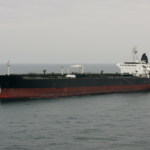
By Saturday afternoon, the Sparta II remained ablaze, raising alarms about possible explosions and the risk of sinking. In a statement made at 2:58 p.m. local time, Finnish authorities confirmed that the crew had not been compelled to abandon the vessel and noted that no environmental damage had yet been detected. The Finnish Border Guard deployed rescue vessels to the scene south of Loviisa, implementing a restricted area around the ship to ensure safety during the ongoing emergency operations.
Rescue efforts retrieved the crew, who evacuated into emergency vessels. The ship managed to anchor by approximately 3:45 p.m., with the anchor reportedly holding. Russian rescue vessels were anticipated to arrive later in the day to aid in towing the Sparta II back into Russian waters once rescue operations concluded.
The Vessel’s Background
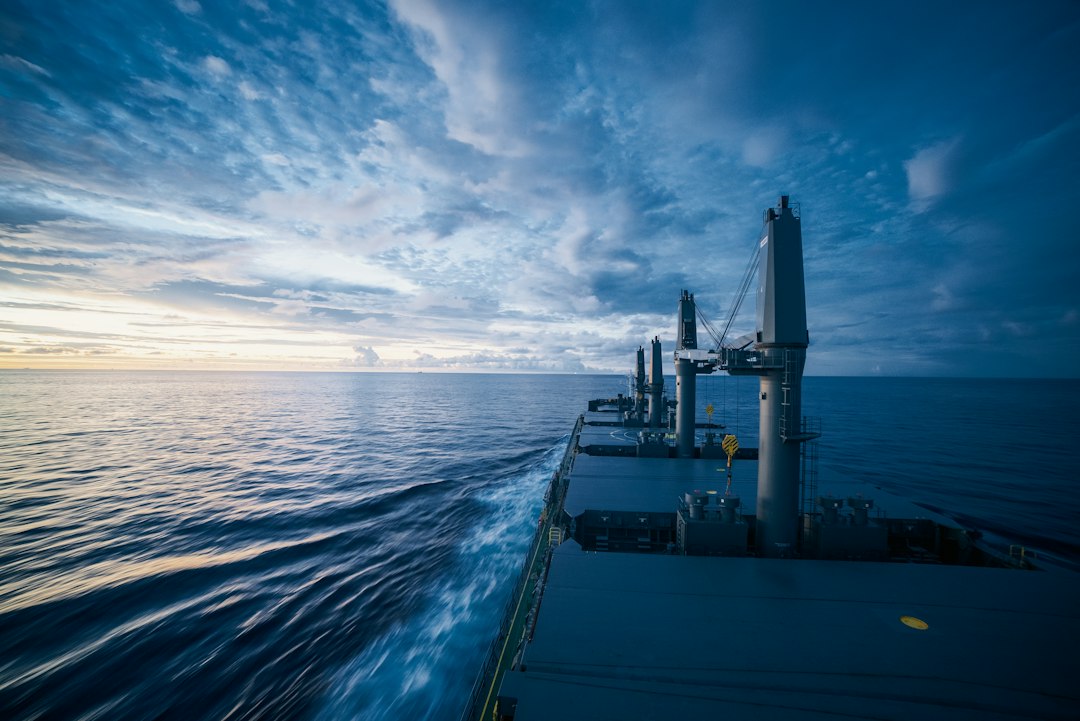
The Sparta II, IMO 9160994, is a roll-on/roll-off carrier associated with Oboronlogistika. This Russian state-affiliated logistics company provides crucial maritime transport services supporting the Russian Ministry of Defence. The vessel has been previously identified as part of Russia’s military logistics network, facilitating the movement of military equipment between various Russian ports and external locations.
Sanctioned by the United States in 2022 due to its connections with Oboronlogistika, the Sparta II has been involved in transporting military goods from Syria to Russia and has served cargo routes between mainland Russia and the Baltic exclave of Kaliningrad, typically conveying military vehicles and other equipment. The incident underscores the ongoing geopolitical tensions in the region, particularly concerning maritime security and the implications of military logistics.
The Operational Read
This incident illustrates the complexities of maritime operations involving vessels with military affiliations, especially under the shadow of international sanctions. For maritime operators, the escalation in hostilities raises significant concerns regarding the safety and viability of routes through sensitive geopolitical areas like the Gulf of Finland. Understanding the operational realities is crucial—monitoring enforcement of sanctions and adhering to international maritime law becomes paramount. As the fallout unfolds, operators must prepare for potential revisions to safety protocols and contingency plans, with an eye on regional military activities and regulatory responses stemming from this event.