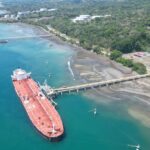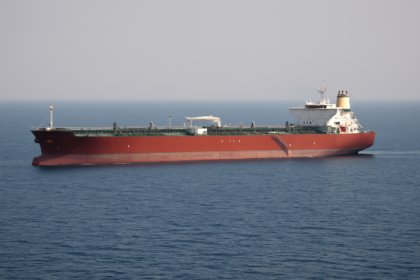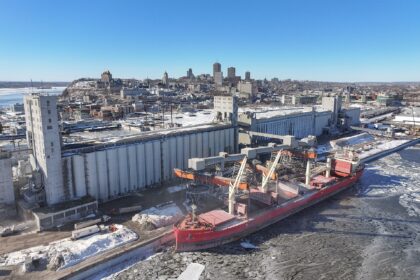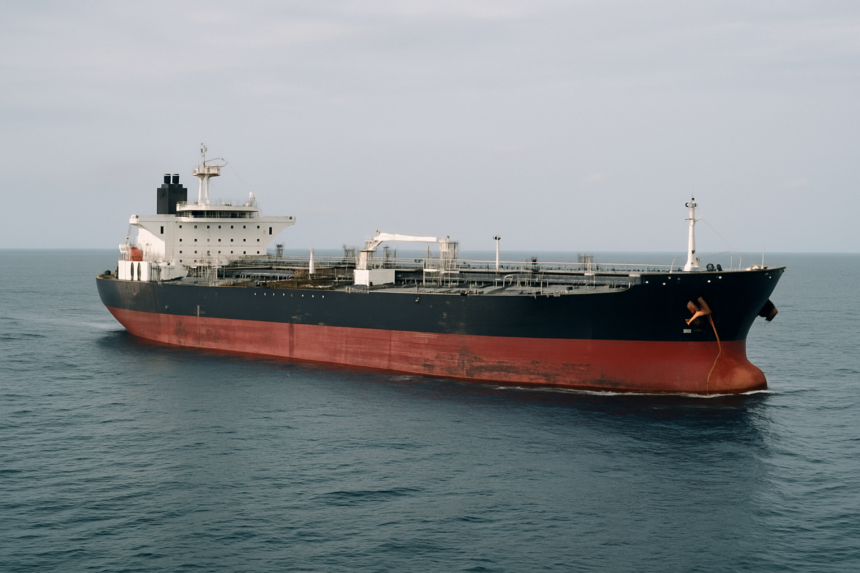
The Strait of Hormuz, a key maritime route for oil transportation, is currently experiencing a noteworthy decline in commercial traffic amid heightened military tensions. Recent reports indicate that while the Strait remains operational, the level of commercial transit has reached one of its lowest points since the onset of recent conflicts. Observations during the reporting period of June 10-11 revealed only five visible transits via AIS, a stark drop and the second consecutive decrease in traffic.
The Current Maritime Situation
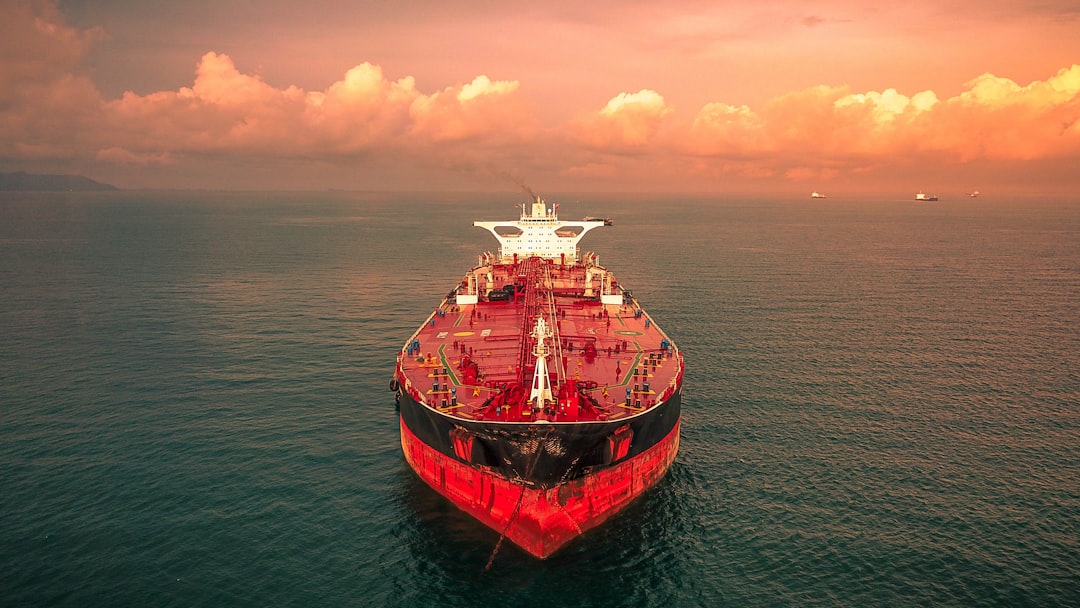
Despite Iranian officials claiming the Strait to be closed, observations indicate ongoing but limited commercial movement. Satellite imagery confirms the presence of dark vessels still operating within the Strait’s deep-water channel, suggesting clandestine activities continue. This dichotomy between official statements and observable conditions reflects a complex and deteriorating maritime situation.
Furthermore, an uptick in military activity has been noted in the region. On June 10, around 60 high-speed IRGC craft were reported by Windward, significantly increasing the military presence and capability in the area. These vessels were primarily observed moving in a coordinated manner towards Qeshm Port. Such operations are indicative of a sustained effort by the IRGC to exert control over maritime activities in the Strait and its adjacent waters.

Dark Tanker Operations and Enforcement Actions
The Larak-Qeshm channel remains a key hub for dark tanker operations, with satellite evidence showing 16 dark tankers holding positions as of June 10. This group included various classes of tankers, with a mix of ballast and laden vessels, signaling that preparations for potential exports are underway. Notably, a ship-to-ship transfer was occurring between two dark tankers, further complicating the maritime landscape.
In parallel, U.S. enforcement actions continue to target Iran-linked shipping operations beyond Iranian territorial waters. CENTCOM has reported disabling multiple vessels, including M/T SETTEBELLO and M/T JALVEER, underscoring the vulnerabilities faced by sanctioned vessels in the operational area. The coordinated U.S. efforts add another layer of complexity to the situation, exacerbating the difficulties for commercial operators.
The Operational Read
The current decline in commercial traffic within the Strait of Hormuz signals a critical challenge for maritime operators and charterers, necessitating heightened operational awareness and contingency planning. With military enforcement and dark vessel activities on the rise, navigational safety and trade reliability are at increased risk. For operators, this situation calls for thorough risk assessments, potential rerouting strategies, and enhanced communication with regulatory bodies to navigate the evolving landscape. Observers should monitor developments closely, as any escalation in military tensions could further disrupt shipping lines and influence global oil markets.