Update 03 Jul 2026, 10:37 UTC:
On 16 June 2026, coinciding with the G7 meeting, the UK Government implemented a new sanctions package specifically aimed at disrupting Russia’s maritime activities, particularly those related to the transport of oil and liquefied natural gas (LNG).
Details of the Sanctions
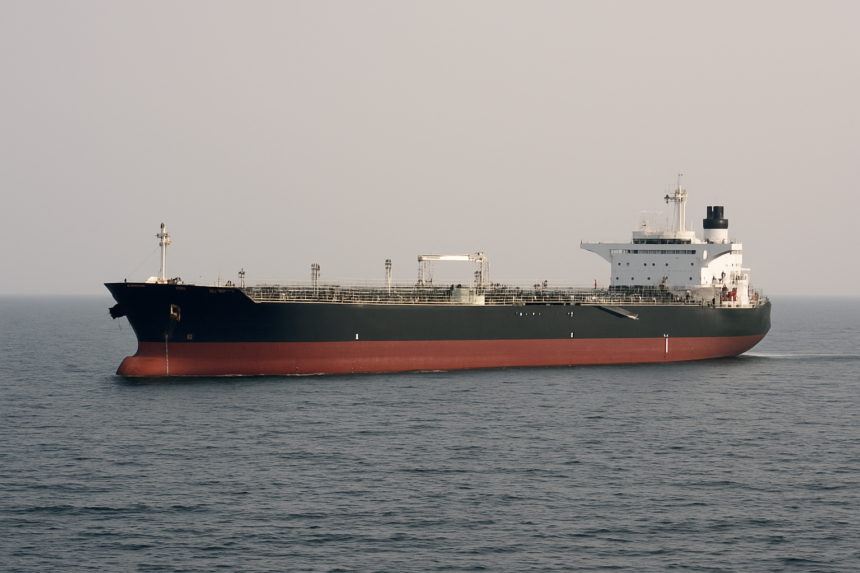
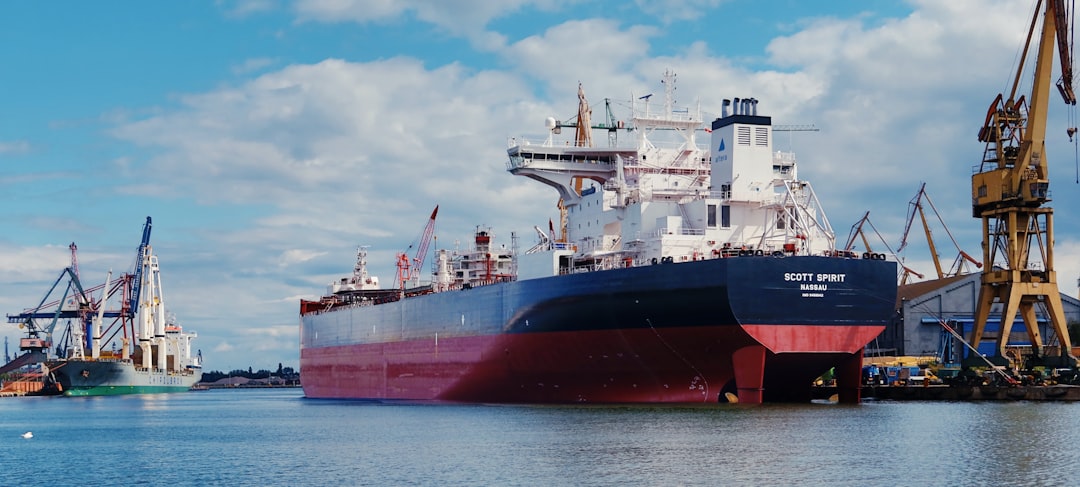
This sanctions package targets more than 20 vessels identified as part of Russia’s so-called “shadow fleet,” which has been implicated in attempts to transport Russian oil to third countries despite existing sanctions. The UK Government’s measures reflect a strategic escalation in the enforcement of maritime sanctions, leveraging enhanced powers to identify and dismantle shipping networks employed by Russia to evade restrictions. This marks a pronounced shift towards direct intervention in maritime activities associated with sanctions violations.

In addition to targeting vessels, the sanctions extend into the LNG sector, with specific designations affecting vessels linked to the Arctic LNG 2 project. Such actions aim to constrict Russia’s revenue streams from seaborne energy exports, thereby applying pressure across the various layers of maritime transport.
Impact on Maritime Operations
The UK Government’s new measures significantly impact the broader maritime ecosystem, including sanctions on ship insurers and service providers that facilitate these trades. By targeting the supporting infrastructure and logistics associated with maritime activity, the UK aims to disrupt not only the physical movements of sanctioned vessels but also the networks that sustain them. This comprehensive approach represents a commitment to weakening the operational capabilities of Russian maritime actors amidst ongoing geopolitical tensions.
The designation of entities linked to Russia’s logistics and transport sectors illustrates the UK’s strategy of tackling both the assets used in maritime transport and the supporting infrastructure that enables these operations. It emphasizes a dual focus on immediate sanctions enforcement while simultaneously seeking to foreclose avenues for future sanctions circumvention.
The Operational Read
The newly announced sanctions package imposes substantial operational challenges for shipping companies interacting with regions or sectors tied to Russian interests. Operators will need to diligently review existing contracts and shipping routes for potential exposure to designated entities. Companies involved in LNG or oil transport must enhance due diligence processes to ensure compliance, particularly when dealing with parties connected to the shadow fleet or supporting service providers. This escalation of sanctions underscores the necessity for real-time monitoring of geopolitical developments and can lead to increased risk premiums on voyages linked to Russia, potentially reshaping trade routes in and out of contested regions.