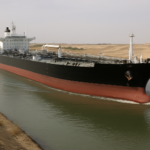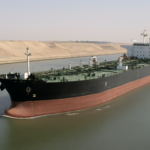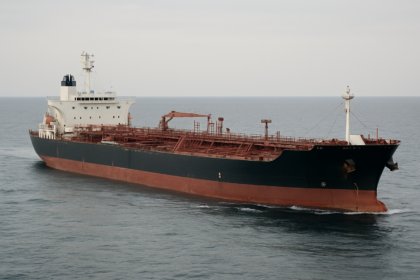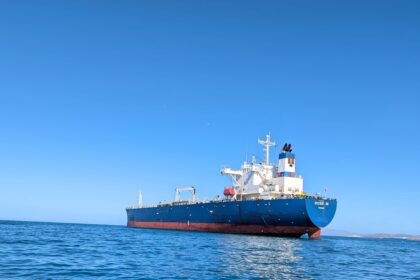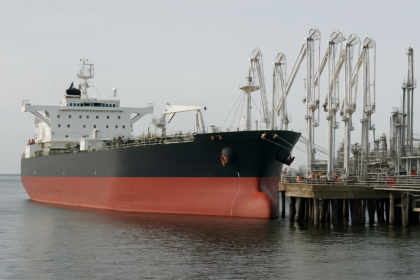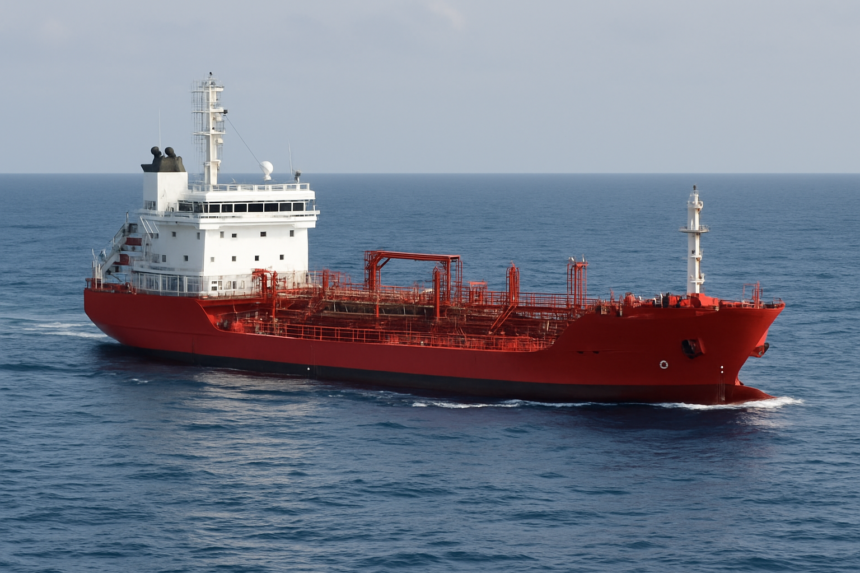
On June 10, 2026, two crew members were reported missing, and one suffered injuries after a suspected missile strike by U.S. forces on the Palau-flagged tank vessel Settebello off the coast of Oman. The chronology of events indicates that this incident occurred amidst escalating maritime security tensions in the region, specifically related to U.S. efforts to blockade Iranian shipping operations.
The Incident
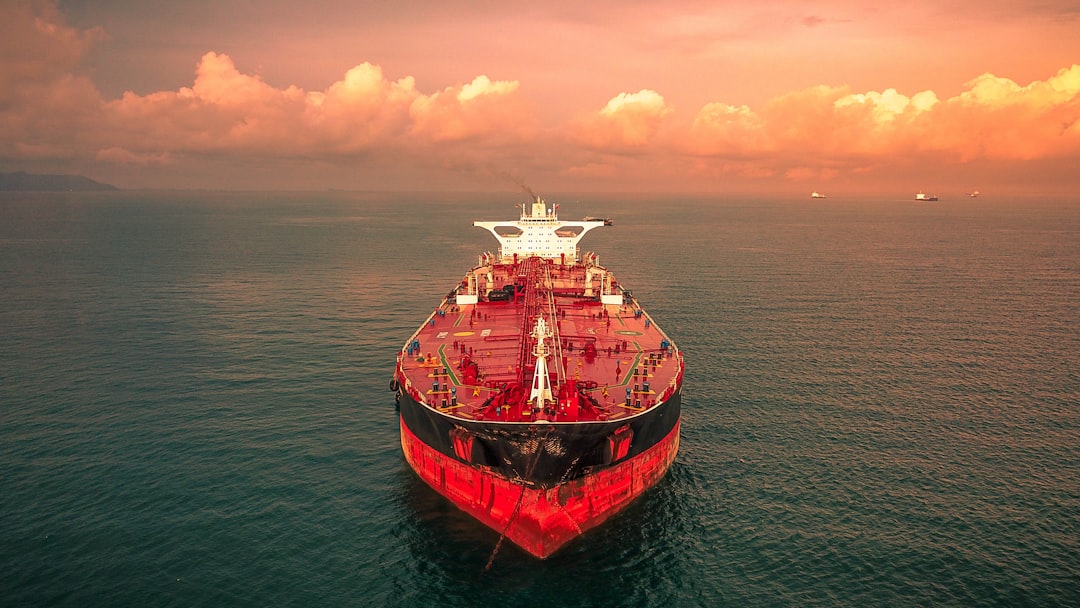
According to maritime officials, the tanker was approximately 20 nautical miles northeast of Oman’s port of Sohar when it reported an engine room fire. The vessel’s distress signal prompted a response from the Omani Navy. Current reports indicate that out of the 28 crew members onboard, 24 were Indian nationals. Indian authorities are working to confirm whether the missing individuals are part of the Indian contingent.
British security group Ambrey suggested that the strike was likely aligned with U.S. operations aimed at enforcing restrictions on Iranian maritime activities. A secondary maritime security source echoed similar sentiments, associating the event with ongoing military initiatives directed towards halting shipments related to Iran.

Market Impact
The incident represents a critical juncture in the dynamics of maritime security, particularly in the Strait of Hormuz, a vital route for global oil and gas transportation. Since the imposition of a blockade on April 13, 2026, the U.S. has reportedly intervened in numerous vessels which it deemed non-compliant. Notably, U.S. Central Command disclosed that it had disabled seven vessels and redirected a total of 134 ships during its operations.
The uncertainty surrounding the safety of maritime operations in this area could lead to elevated war-risk premiums for operators, especially those transiting through vulnerable routes. The incident further imposes additional scrutiny on operators employing older vessels, often referred to as shadow fleets, which are typically used for transporting sanctioned oil.
Operator Response
In response to the increasing threats, shipping operators are being urged to enhance their security protocols and remain vigilant regarding geopolitical developments. As noted by Arsenio Dominguez, secretary-general of the International Maritime Organization, all stakeholders must engage responsibly, with a clear emphasis on ensuring the protection of innocent civilian seafarers aboard commercial vessels. This incident underscores the precarious environment for maritime operations in the Gulf, with operators now facing the dual challenge of navigation and securing crew safety.
The Operational Read
This incident reinforces the urgent need for shipping operators to review and enhance their maritime security measures, especially when operating in regions marked by geopolitical tensions. Effective risk assessment protocols must focus not only on the physical risks to vessels but also on the implications of potential confrontations between state actors. Operators are encouraged to maintain real-time intelligence sharing and ensure that crews are familiar with emergency protocols, which can greatly enhance safety during unpredictable events. With the situation evolving rapidly, operators should prepare for potential escalations while continuing to prioritize crew welfare and vessel security.