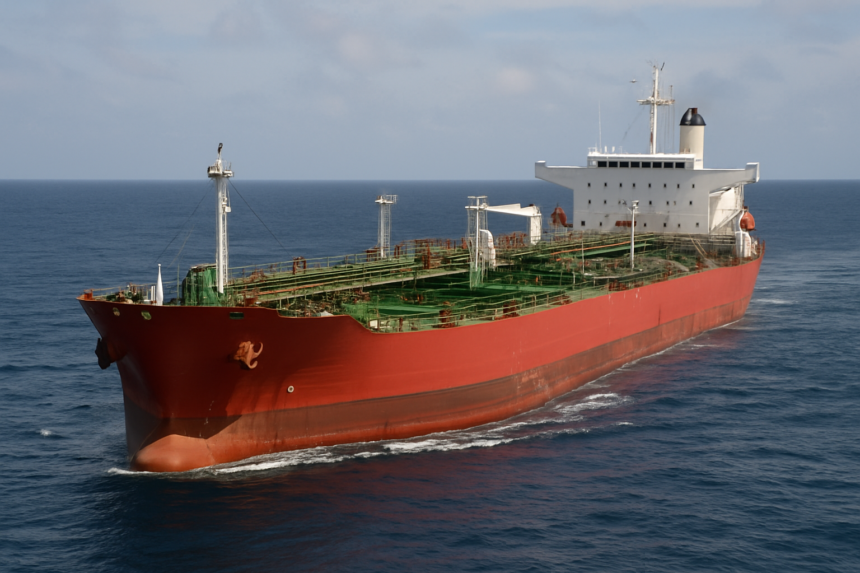
On July 2, vessel transits through the Strait of Hormuz decreased to a four-day low, reflecting ongoing regional tensions affecting shipping activities within this strategic energy corridor. According to vessel tracking data from S&P Global Energy, only 43 vessels transited the strait that day, a notable drop from 53 the previous day.
The Current Transit Landscape
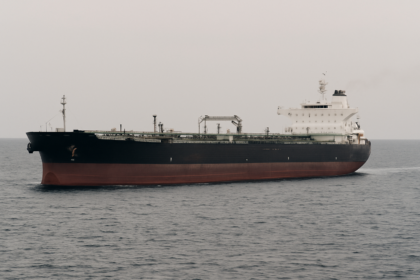
This decline in transit numbers highlights the ongoing operational challenges; nearly 60% of the vessels that crossed were linked to Iran, underscoring the geopolitical complexities surrounding this vital maritime route. Inbound traffic included ten tankers entering the Persian Gulf, among which were six Iranian-linked vessels, as reported by S&P Global Commodities at Sea.
Notably, three VLCCs from Sinokor entered the strait, with the US-sanctioned VLCC Serena—owned by the National Iranian Tanker Company—also making an entry. The presence of these sanctioned vessels raises questions about compliance and the interplay of international regulations amid regional instability.


Market Conditions and Price Assessments
Energy tankers constituted less than half of total transits on July 2. The daily assessment for transporting a 140,000 metric ton cargo of crude oil from the Persian Gulf to the UK/Continent was pegged at $101.37 per metric ton, remaining steady while significantly exceeding the five-year average of $26.82 per ton. This price surge reflects the growing risk premium associated with transiting through the strait during periods of heightened tension.
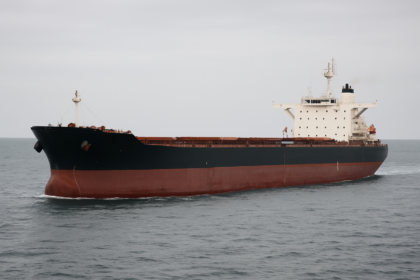
Conversely, outbound transit on July 2 included eight product tankers, one Aframax, one Suezmax, and one LPG carrier. The Nordic Vega, an Aframax tanker owned by Nordic American Tankers, departed the Gulf laden with fuel oil from Kuwait’s Al Zour refinery, marking a critical logistical move since the onset of regional conflict.
The Operational Read
The recent decline in vessel transits through the Strait of Hormuz signifies the operational realities facing shipping operators in this critical maritime chokepoint. With nearly 60% of transits being Iranian-linked vessels, there is an increased perception of risk that may lead to higher war-risk premiums in shipping contracts. Operators must consider alternative routes or ensure they have adequate insurance coverage as regional tensions continue to escalate. Furthermore, fluctuations in tanker movements may complicate existing supply chains, necessitating a reevaluation of shipping schedules and contingency plans. Monitoring the geopolitical landscape remains crucial as operators navigate the challenges of ensuring safe and efficient passage through the strait.