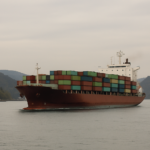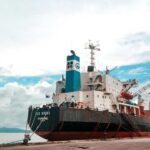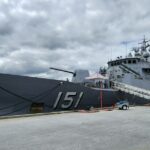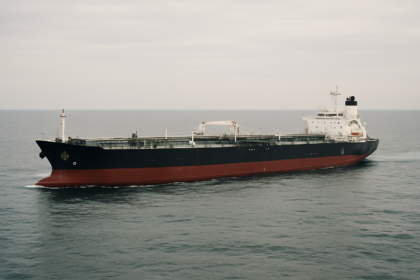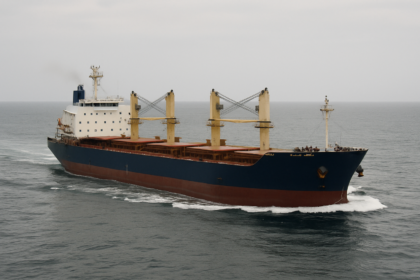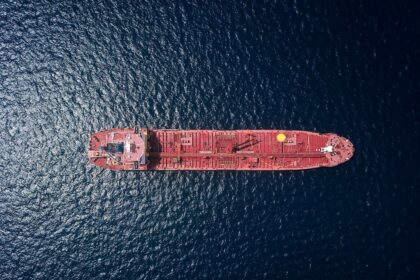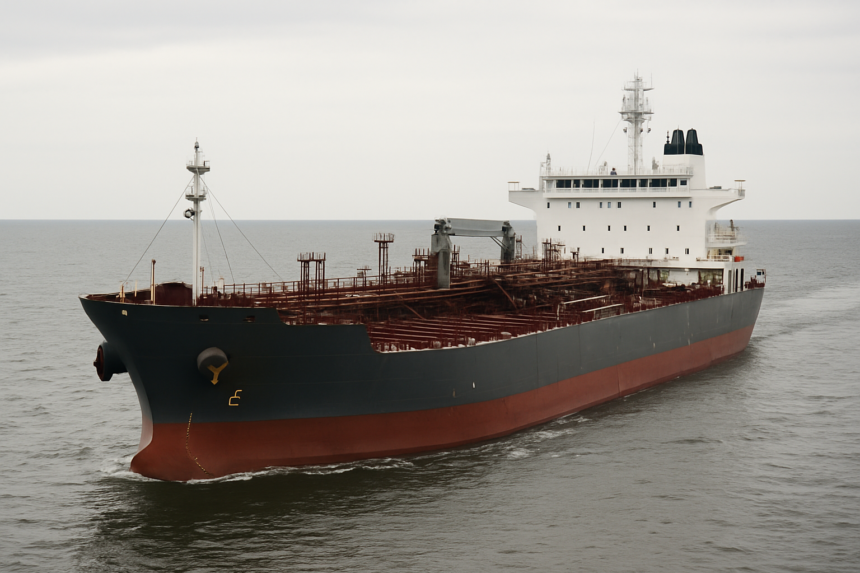
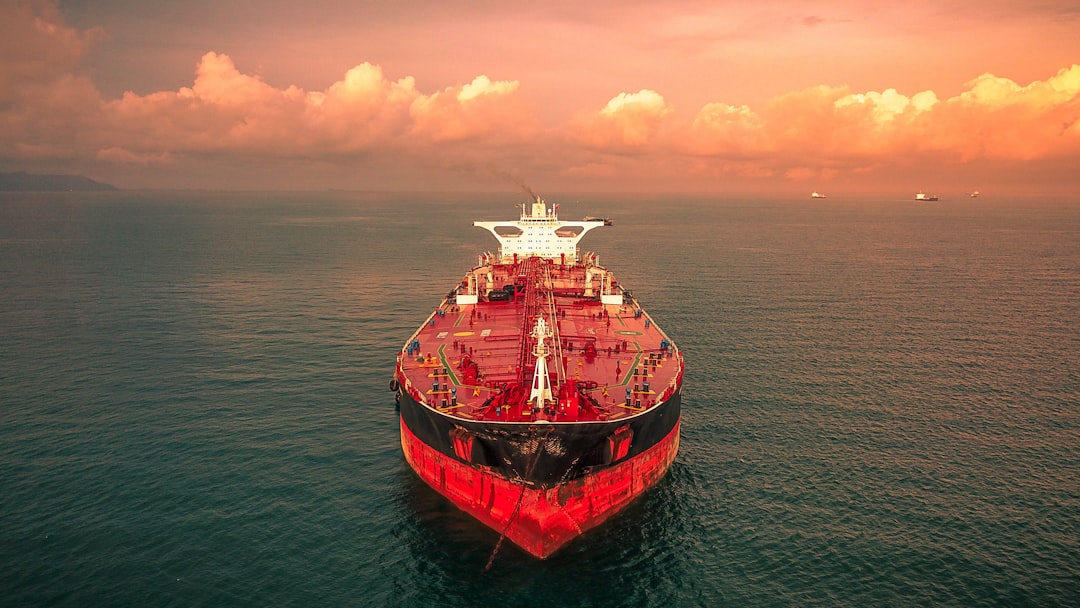
On Saturday, a tanker in the Strait of Hormuz sustained damage after being struck by an unidentified projectile, raising alarms over maritime security in one of the world’s most pivotal energy chokepoints. The incident, confirmed by the UK Maritime Trade Operations center, reported that while the vessel’s bridge was damaged, the crew remained unharmed, and there was no environmental damage noted.
Increased Security Measures
The Joint Maritime Information Center (JMIC) has responded by elevating the threat level for shipping operations in the region to ‘substantial.’ This decision comes in the wake of two attacks on merchant vessels within a week, coinciding with heightened tensions that had developed after a recent interim peace agreement between the U.S. and Iran.
Prior to the tanker strike, vessels had been utilizing both the Iranian and Omani routes for transit through Hormuz, although the latest developments have caused uncertainty regarding maritime safety. Reports indicate that millions of barrels of oil continue to transit through the strait, even amidst the escalating risks, suggesting a significant operational pressure for ships navigating this busy corridor.


Tensions and Retaliation
The sequence of attacks has prompted increased military readiness in the area. The U.S. had previously conducted retaliatory strikes against Iranian targets following an attack on the container ship Ever Lovely on Thursday, which the U.S. described as unwarranted aggression toward commercial shipping.
The Iranian response has similarly escalated, resulting in pronounced military tensions that may further complicate maritime operations in the region. The JMIC has indicated that the Omani route has been adjusted to allow dual-direction transits, while also issuing warnings related to potential mine threats in the strait. The International Maritime Organization has cautioned that approximately 80 mines could be laid in the area, raising significant concerns among shipowners regarding navigational safety.
The Operational Read
This escalation in the Strait of Hormuz has operational implications for shipping lines and their charterers. Navigating this critical chokepoint carries inherent risks, especially under current circumstances with mines potentially affecting standard routes. Consequently, operators may need to reassess transit strategies, possibly favoring Omani routes despite potential cost impacts. Furthermore, increased military presence could lead to delays and heightened war-risk premiums affecting insurance and operational costs for vessels operating in this region. Stakeholders should closely monitor developments as the geopolitical landscape continues to evolve.