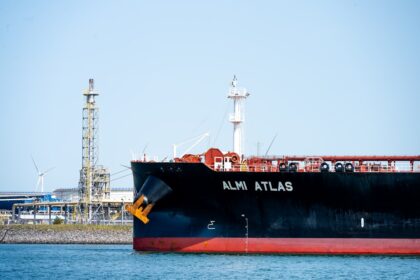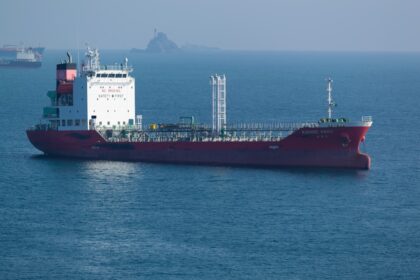
Six Saudi-flagged supertankers have altered their course in the Gulf of Aden due to recent threats from Yemen’s Houthi movement targeting Saudi shipping. The ships, currently empty after returning from regions in Asia, are heading towards southern Africa instead of transiting through the critical Bab el-Mandeb Strait, as revealed by ship-tracking data from LSEG and MarineTraffic.
According to the tracking information, the vessels are sailing in formation to southern Africa, with one tanker, the Dilam, explicitly indicated as heading for Gibraltar. This decision tracks back to the security concerns voiced by trade sources regarding attacks on vessels linked to Saudi interests by the Iran-aligned Houthis.
Impact of Houthi Threats
On July 20, the Houthis declared a maritime embargo against Saudi Arabia and have since ramped up their hostilities, introducing a new front in the ongoing conflict involving Iran and its allies. The implications have reverberated through the marine insurance market, prompting underwriters to expand the areas classified as high risk. Increasing uncertainty surrounding maritime operations in and around the Red Sea has compelled operators to reconsider traditional trade routes.

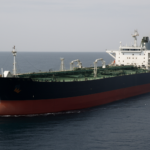

Operational Adjustments and Future Trajectories
As a result of these developments, operators are now faced with significant logistical alterations. Rerouting the supertankers via the Cape will not only extend their voyages but also potentially disrupt the schedules and costs associated with crude oil delivery. Shipping through the Suez Canal back to Saudi Arabian ports is projected to add at least 25 additional days to the vessels’ journeys, which can disrupt supply chains and elevate freight charges.
The Operational Read
The strategic re-routing of Saudi supertankers highlights the contemporary challenges faced in maritime security and operational planning. For shipping operators and charterers in the region, the decision to avoid the Bab el-Mandeb reflects a comprehensive assessment of risk management in volatile environments. The fate of this shipping vector will depend heavily on the evolving threat landscape posed by regional conflicts. Increased transit times and potential disruptions in supply flows must be closely monitored. Operators will need to adapt operational plans and reevaluate risk assessments continuously, especially in light of ongoing Houthi aggressions.