Oil prices continued to decline on Wednesday, marking a third consecutive session of losses as shipping activity in the Strait of Hormuz shows signs of recovery. As of early morning ET, Brent crude futures dropped 2% to $75.52 per barrel, while West Texas Intermediate (WTI) crude decreased 1.8% to $71.89 per barrel. These figures indicate a stabilization around four-month lows.

Recovery in Shipping Activity
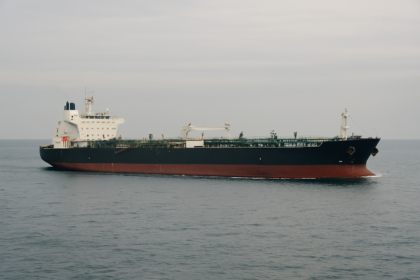
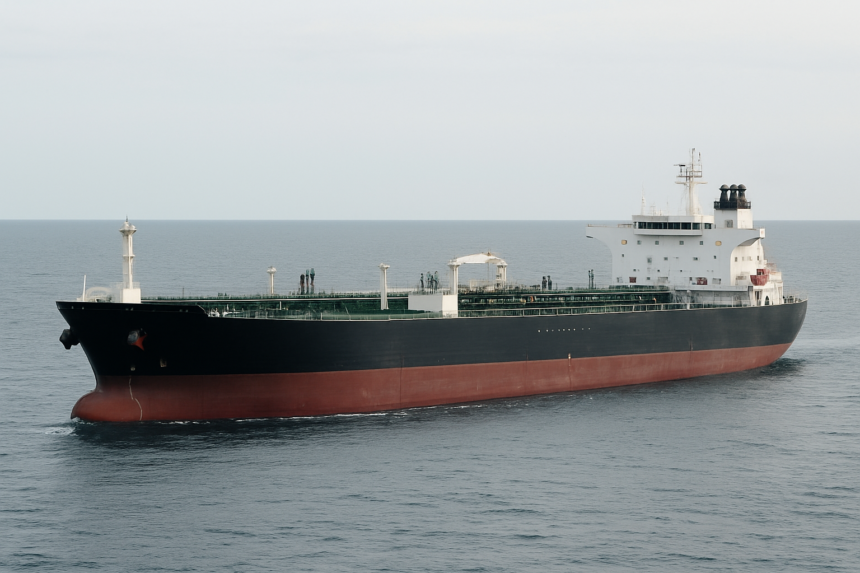
Market sentiment has been bolstered by evidence that shipping through the Strait of Hormuz is steadily resuming after months of conflict that disrupted this vital energy chokepoint. Reports indicated that several supertankers, previously stranded in the Gulf, have successfully departed with crude cargoes. Additionally, Qatar-linked liquefied natural gas vessels are resuming voyages through the strait, suggesting normalization of energy flows.
Geopolitical Developments
The improved outlook coincides with U.S. and Iranian negotiators agreeing on a 60-day roadmap aimed at addressing outstanding issues, coupled with a temporary sanctions waiver from Washington that permits certain Iranian oil exports to resume through August. Analysts from ING noted that while oil flows are currently estimated at 6-7 million b/d, they still fall significantly short of the pre-war average of around 20 million b/d. However, diversions from Saudi Arabia and the UAE could mean that a return to approximately 14 million b/d would restore oil supply from the Persian Gulf to pre-war levels.


Market Reactions and Future Expectations
The overall market reaction has seen traders speculate that the current oil sell-off may be overdone, with expectations of a tightening market as additional crude supplies begin to return. U.S. inventory data from the American Petroleum Institute (API) highlighted a decline of 765,000 barrels for the week ending June 19, further influencing market dynamics. Crude stocks at the WTI delivery hub in Cushing fell by 1 million barrels, while gasoline and distillate fuel oil stocks saw increases of 1.2 million barrels and 1.4 million barrels, respectively. These inventory figures, pending confirmation from the U.S. Energy Information Administration (EIA), will provide further clarity on the current supply landscape.
The Operational Read
The recent developments regarding the Strait of Hormuz underscore the critical balance between geopolitics and operational logistics in the maritime energy sector. The gradual return of shipping activity represents a shift toward stability, which may help mitigate risk premiums associated with war zones. For operators, reestablishing ship schedules and resuming the transportation of oil and LNG will be pivotal in ensuring compliance with evolving regulations and managing supply chains. As negotiations between the U.S. and Iran unfold, market participants should keep a close watch on flow rates and geopolitical signals that could influence shipping routes and oil supply dynamics.