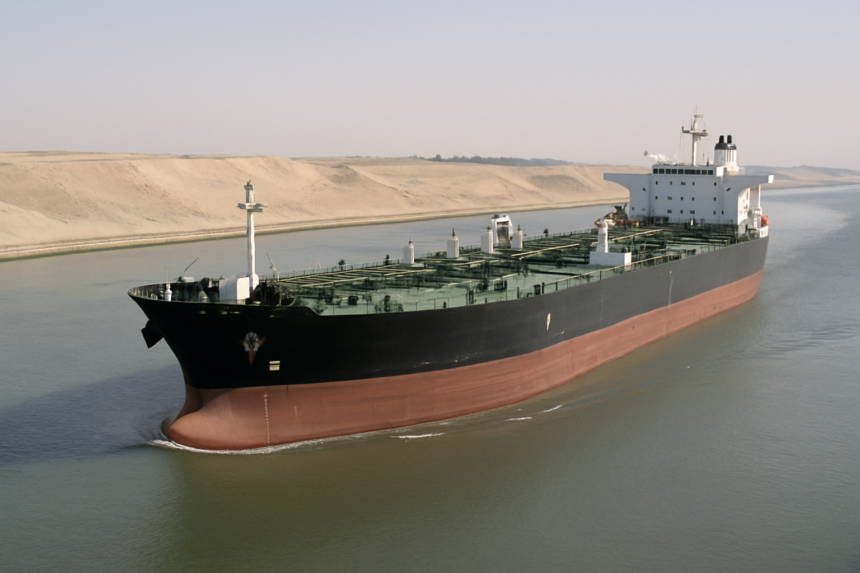
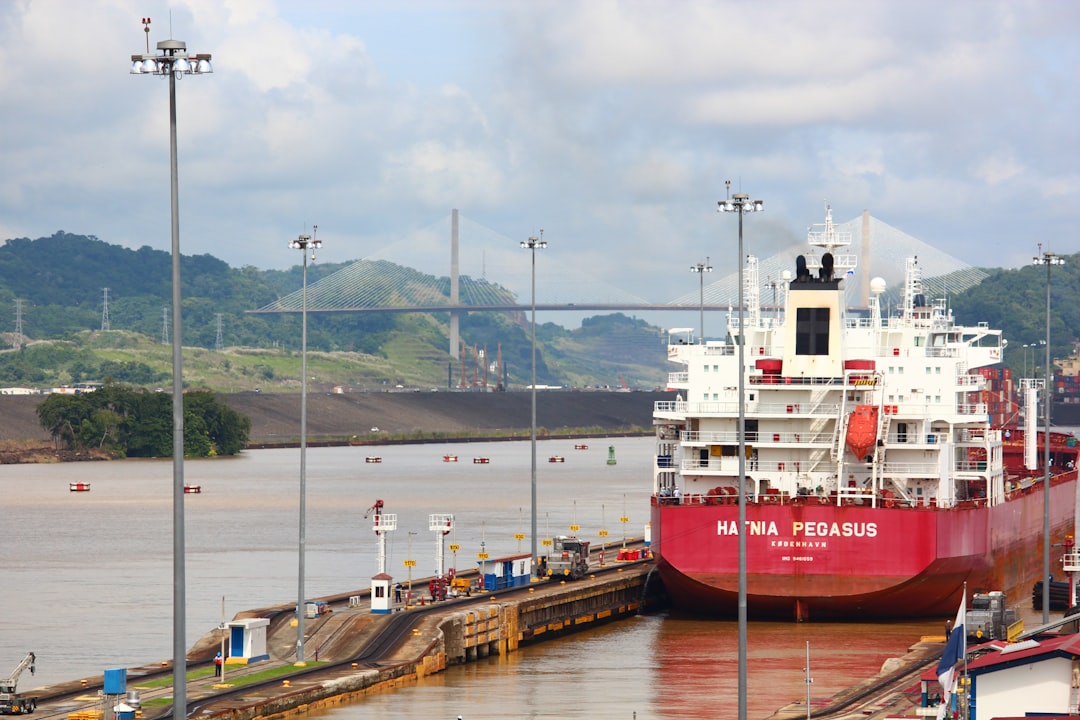
In April, traffic through Egypt’s Suez Canal experienced a substantial boost as the closure of the Strait of Hormuz due to regional conflicts rerouted oil tanker operations. The state statistics agency CAPMAS reported that 529 tankers transited the canal during the month, representing a 28% increase in volume compared to the same period last year. This surge contributed to revenue figures reaching $419 million, the highest monthly earnings since early 2024.
The Strategic Shift
The context for this traffic increase is shaped by the geopolitical climate in the Middle East, particularly the ongoing conflict involving Israel and Iran, which escalated on February 28. The Strait of Hormuz, a critical chokepoint that traditionally facilitates a significant share of the world’s crude oil and liquefied natural gas, has faced disruptions, leading to an effective shutdown. Saudi Arabia has responded by utilizing alternative routes, such as a backup pipeline to its Red Sea port of Yanbu, to export crude oil, which has changed the flow of maritime shipping.
The shift in maritime routes has resulted in a reevaluation of transit options, with some vessels diverting north through Egypt instead of riskier passages past Yemen. Broader regional implications of this conflict include the Gulf Cooperation Council’s strategic pivot towards Jeddah for shipping operations and logistics. Investments in infrastructure there are likely to reflect positively on both Saudi Arabia’s economy and that of its neighboring GCC partners.


Challenges Ahead
Despite the favorable April statistics, the Suez Canal faces ongoing challenges from intermittent rebel activity. The Houthis in Yemen began their campaign against international shipping in late 2023 to exert pressure during the war in Gaza, contributing to a reported loss of approximately $9 billion in potential revenue for the canal. Recent indicators suggest that while the transits have improved, they remain significantly lower than pre-conflict levels, where around 2,300 vessels were reported to cross the canal in April 2023.
As the conflict continues to evolve, analysts warn of potential risks associated with decisions taken by the Houthis regarding Israeli shipping. Their declaration of a complete ban on such vessels in the Red Sea raises concerns over future volatility in the region, which could lead to a renewed decline in traffic through the canal.
The Operational Read
The Suez Canal appears to be capitalizing on current geopolitical tensions, becoming a prominent alternative route for oil tankers amid the uncertainty in the Strait of Hormuz. For operators and stakeholders, this presents both opportunities and challenges. While the resurgence in revenues could alleviate Egypt’s current-account deficit significantly, operators must remain vigilant regarding possible escalations in conflict that may lead to renewed assaults by the Houthis. Future developments will likely dictate whether the Suez Canal can sustain its recent positive trajectory or if volatility in regional politics will reassert itself, impacting shipping traffic and revenue.