Update 06 Aug 2026, 18:35 UTC:
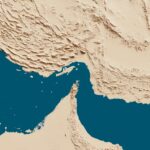
Iranian officials announced plans to finalize a shipping route agreement with Oman for the Strait of Hormuz, a vital transit corridor for approximately one-fifth of the world’s oil and liquefied natural gas. Foreign Ministry spokesman Esmaeil Baqaei conveyed that the deal is progressing but did not provide specific details regarding the operational framework. He cautioned, however, that this agreement would not guarantee security, attributing ongoing risks to the U.S. naval blockade of Iran’s ports.
The Context
Since U.S. and Israeli military actions against Iran in February, traffic through the strait has drastically contracted. President Donald Trump recently stated that Iran would face severe repercussions if navigational conditions in the strait did not improve soon. Talks to resume shipments have reportedly advanced, yet Iran remains firm in its refusal to engage in negotiations with the U.S., highlighting a complex geopolitical landscape.

Concerns and Considerations
Despite the announcement of the deal, Baqaei emphasized that several factors contributing to the strait’s insecurity persist, particularly U.S. actions described as aggressive toward Iranian interests. Iran’s Deputy Foreign Minister, Kazem Gharibabadi, indicated that the new shipping route could remain operational for a limited time, potentially between two to four months.
Market analysts have noted fluctuations in energy prices due to the ongoing instability in the region. As the global benchmark Brent crude oil price hovered around $79.24, trade in the strait remains challenging. Tehran’s intention to impose a fee ranging from 5% to 7% on vessels traversing the strait contrasts sharply with Oman’s proposal for a 3% fee and the U.S. advocacy for no fees.
The Operational Read
The announcement of an impending shipping route agreement between Iran and Oman introduces further complexity into operations in the Strait of Hormuz, a critical chokepoint for global energy supplies. As shipowners assess the implications of potential fees and security risks, the lack of a definitive guarantee of safe passage complicates operational planning. With Iran’s history of detaining vessels and enforcing its regulations, operators must remain vigilant in monitoring developments. The ongoing geopolitical tension necessitates caution, especially with a fluctuating energy market and increased military activity in the region. Future negotiations between the involved parties will be crucial in determining the stability of this vital maritime corridor.