On Tuesday, June 9, 2026, the European Commission unveiled a comprehensive 21st sanctions package aimed at intensifying economic pressure on Russia in light of its ongoing military actions. This new round of sanctions will not only target the financial sector and military supply chains but also significantly impact maritime operations linked to Russia’s shadow fleet and energy exports.
The Maritime Measures
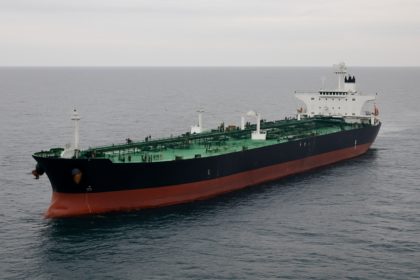
Among the key provisions of the sanctions package, the EU has proposed sanctions on an additional 30 vessels associated with Russia’s shadow fleet, bringing the total number of vessels facing restrictions to more than 660. This expanded list underscores the EU’s determination to disrupt maritime operations that support the Russian war economy. For the first time, the sanctions will also include criteria explicitly targeting vessels and companies that provide bunkering, refueling, or other support services to these already sanctioned ships, as highlighted by European Commission President Ursula von der Leyen.
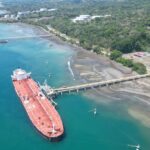
Furthermore, the sanctions package seeks to impose transaction bans on two specific Russian ports and four airports, all of which play pivotal roles in facilitating Russian oil exports. This strategic move aims to cut off access to vital logistical hubs for the Russian energy sector.

Financial and Energy Sector Impacts
The financial measures included in the proposal are expected to have far-reaching implications, particularly the asset freezes that would affect around 90 banks, alongside an expansion of transaction bans targeting more than 30 additional financial institutions across Russia and other nations. This robust financial strategy is designed to further shrink the operational capacity of the Russian military-industrial base, with additional listings targeting entities involved in drone production.
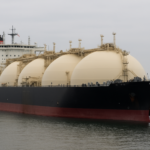
In the realm of energy exports, the latest package introduces new restrictions on the sale and resale of LNG tankers to Russia, building upon prior measures that restricted tanker sales related to crude oil transport. This reflects a continued commitment by the EU to undermine Russia’s energy export capabilities, crucial for funding its military endeavors.
The Operational Read
The operational landscape for maritime operators is poised for increased complexity as these sanctions take effect. The targeting of vessels assisting the shadow fleet will require shipping companies to enhance due diligence processes to avoid inadvertent facilitation of sanctioned activities. Additionally, the restrictions on LNG tankers reflect a significant effort to stifle Russia’s energy sector, potentially leading to rerouted shipping strategies and increased costs for compliant operations. Shipping lines must prepare for enhanced scrutiny of charter parties and service engagements, as the EU seeks to close loopholes in existing sanctions. Operators should monitor developments closely, particularly for any updates regarding compliance requirements and the approval of the sanctions package by EU member states.