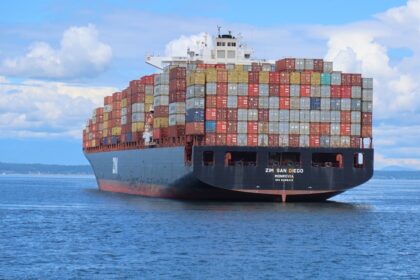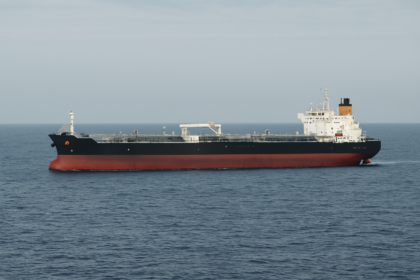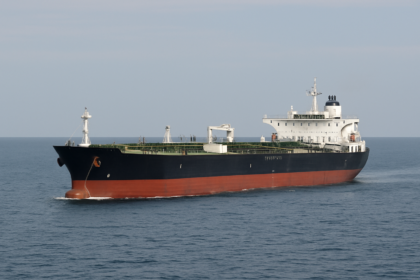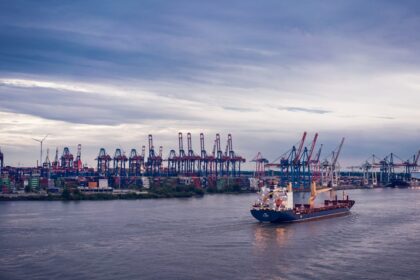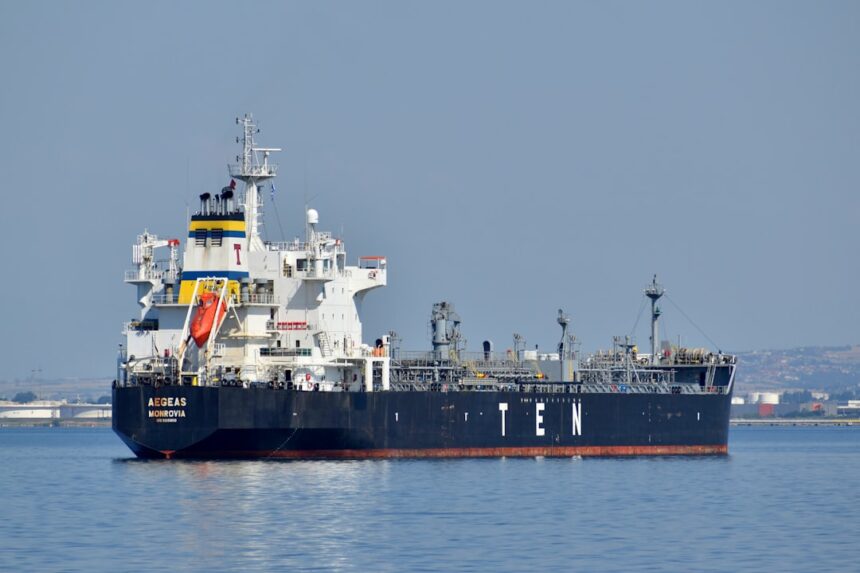
Iranian media reported on a draft framework agreement between Tehran and Oman that aims to manage maritime traffic through the strategic Strait of Hormuz. The agreement includes a prohibition on the passage of U.S., Israeli, and other hostile vessels until compensation is paid, intensifying already heightened geopolitical tensions.
The Framework Agreement
The initial text of the proposed agreement is currently under review by Iranian authorities. According to Fars News, the new protocols specify that vessels violating Iran’s guidelines could face fines reaching up to 20% of their cargo’s value. The plan outlines a shipping route where entry into the strait would occur via a northern corridor close to the Iranian coast, while exiting would take place through a southern corridor near Oman. After a specified deadline, all transit would shift to a middle corridor managed by Iran, with joint exit management alongside Oman.
Geopolitical Implications
The importance of the Strait of Hormuz cannot be understated; it has historically served as a vital maritime conduit for global oil and gas supplies, facilitating approximately a fifth of the world’s energy needs. The ongoing conflict between the U.S. and Iran has transformed this chokepoint into a flashpoint for escalating tensions. Recent remarks from President Donald Trump reveal that the U.S. remains prepared for further military action should negotiations falter, although he characterized the situation as ‘open’ regarding a potential deal.


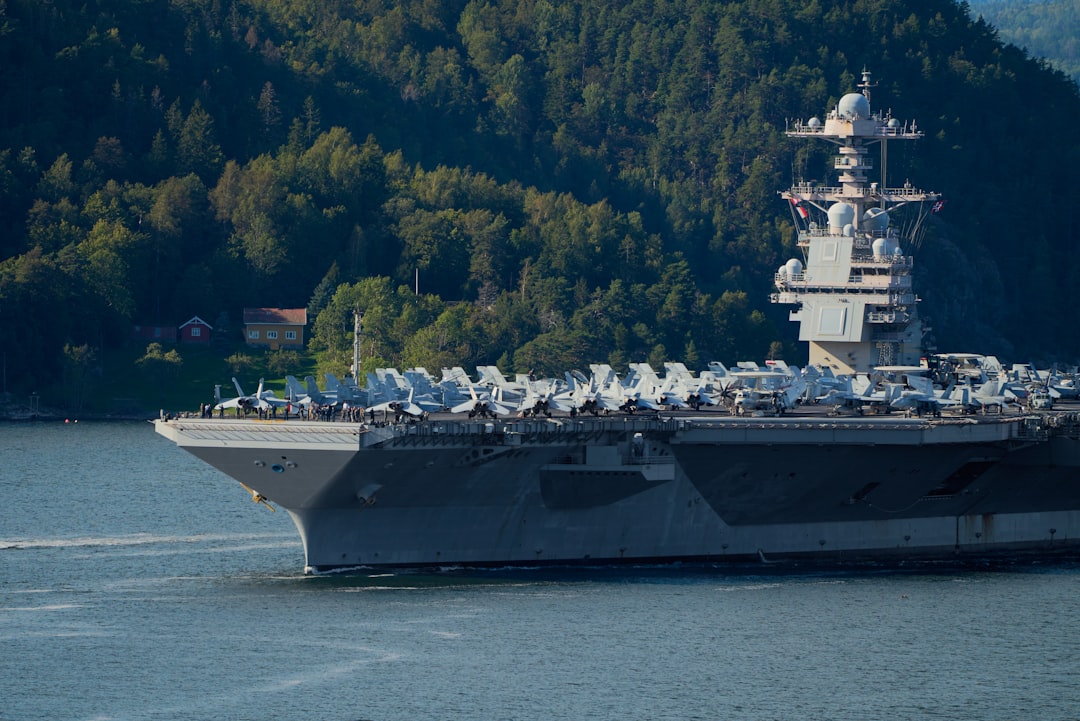
Market participants have been closely monitoring developments surrounding the strait, propelled by concerns over transit disruptions. Oil prices reflected these tensions, with Brent crude futures surging by 5.3% to settle at $83.69. This spike follows a significant surge last month when Iran limited tanker traffic through the strait, pushing crude prices toward the $100 mark.
The Operational Read
The operational implications of the proposed Iranian-Oman agreement are significant for shipping operators navigating the Strait of Hormuz. The introduction of designated corridors and potential penalties for non-compliance increases the risks associated with transit in this vital waterway. Operators may need to reassess their routing strategies and consider additional costs associated with fines and regulatory compliance. Moreover, the recurring cycle of threats and limited engagements suggests that freight rates and insurance premiums may remain volatile. As tensions continue to evolve, close monitoring of shipping routes and geopolitical developments will be critical for maintaining operational readiness.