Update 16 Jul 2026, 14:36 UTC:
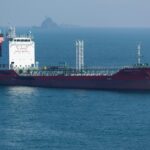
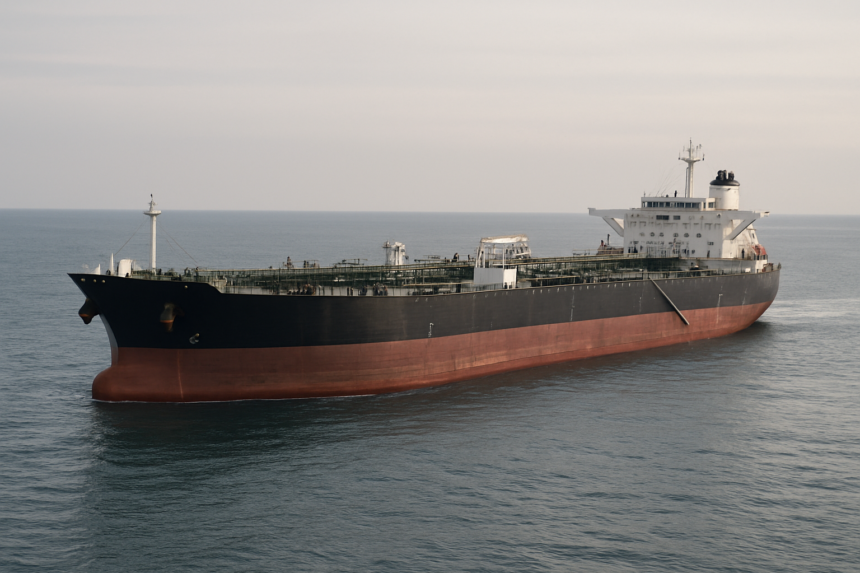
Escalating military tensions between the United States and Iran have resulted in significant disruptions within the Strait of Hormuz, a critical chokepoint for global oil and liquefied natural gas shipments. On Thursday, the US military conducted a strike on an oil tanker linked to Iran near the Kharg Island export terminal, signaling an intensification of military actions following days of rising skirmishes.
Military Actions Intensify
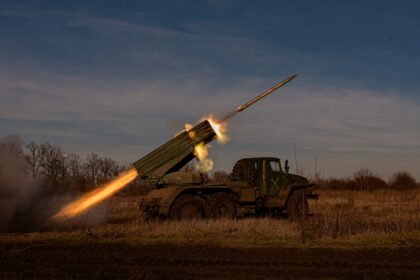
This recent US strike marks the fifth consecutive day of military actions involving Iran, with the US targeting military sites and vessels that threaten maritime operations. In retaliation, Iran has launched missile attacks on American bases in neighboring Kuwait and Jordan, underscoring the rapidly deteriorating situation.


The Iranian government has signaled a hardening stance, indicating that the Strait of Hormuz would remain closed unless the US acknowledges its legal framework for maritime operations, which includes licensing and service fees for vessels transiting through this vital waterway.
Impact on Maritime Operations
The US administration has reacted to these provocations by reinstating a blockade on Iranian ports and ceasing waivers on oil sanctions, a move aimed at crippling Iran’s already beleaguered economy. Shipping traffic through the Strait of Hormuz has plummeted, with oil flow averages declining from 4.6 million barrels per day to 3.9 million barrels over a one-week period, according to RBC Capital Markets LLC.
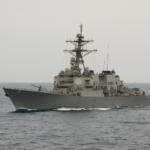
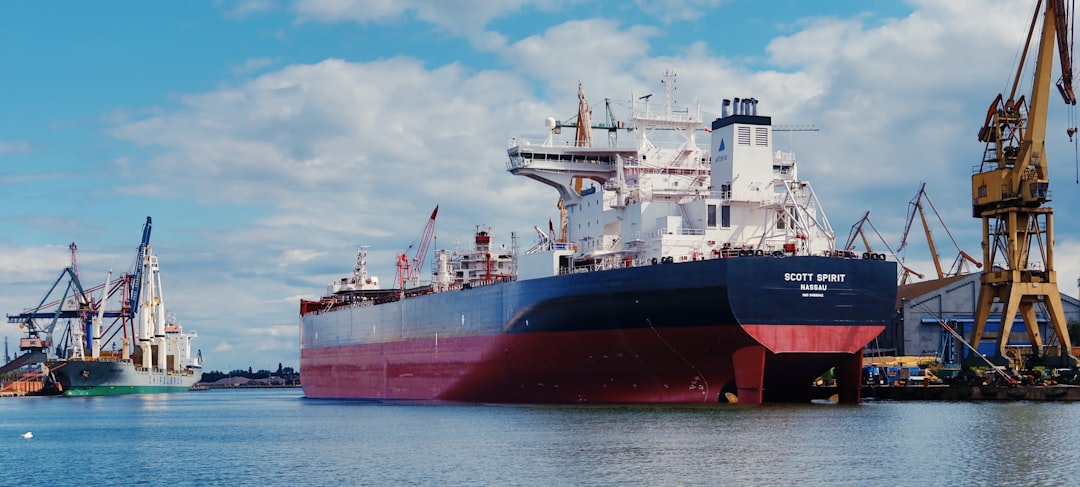
The situation has raised concerns within the shipping community, as engagements between military forces and commercial vessels introduce significant risks for operators. The US military has been actively escorting ships through the strait, yet many vessels are reportedly avoiding the region due to safety concerns.
Geopolitical Consequences
As tensions escalate, the interim agreement intended to stabilize operations in the strait hangs by a thread. Key players from both sides have expressed dissatisfaction with the current state of negotiations, further complicating the potential for de-escalation. The break in dialogue indicates a worrying trajectory for maritime security in the region.
The Operational Read
The current operational landscape in the Strait of Hormuz requires shipping companies to reassess routing and risk management strategies. The decline in oil flows and heightened military activity suggest an increased likelihood of further confrontations. Operators may need to consider alternative routes and implement higher risk premiums in charter arrangements and insurance coverages. Continuous monitoring of military engagements and updates from relevant authorities will be crucial for ensuring not only navigational safety but also the ongoing viability of trade routes through this key maritime corridor.