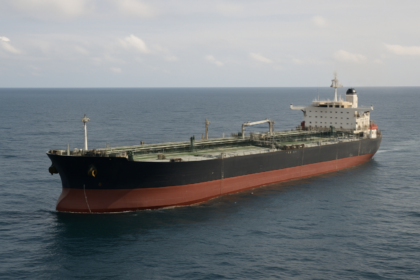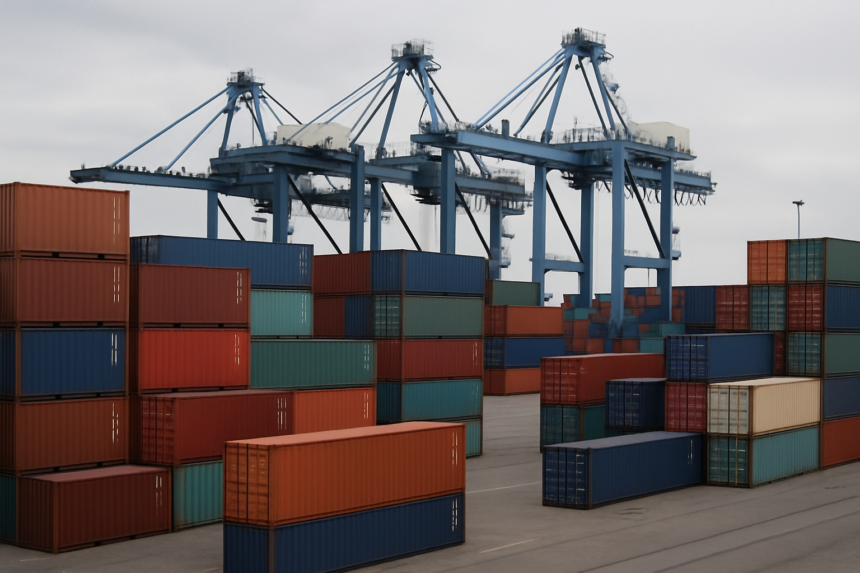
Freight rates for shipments originating from South Asia have surged significantly, reaching three-year highs amid ongoing geopolitical tensions in the Strait of Hormuz. As of July 2026, rates to the U.S. and Europe have increased by around 50%, raising concerns among shipping operators regarding capacity and transit times.
Escalating Rates in the Middle East
The conflict surrounding Iran has critically impacted the shipping routes to the Middle East, with freight rates from JNPT to Jebel Ali rocketing from an average of $734 per 40ft container in 2025 to an astonishing $6,216 in April 2026. This represents an 807% increase within a two-month period as services directly traversing the Strait have been disrupted. Although rates have partially corrected to $5,609 in June, they remain approximately eight times higher than pre-crisis levels.
In a similar trend, JNPT to Jeddah rates surged from $1,484 in February to a peak of $5,354 in March before settling at $4,598 by June. Such steep increases signal a disruption of direct Gulf services, forcing cargo to utilize costlier and lengthier overland routing options.

Impact of Capacity Reductions
Concurrently, carrier responses to these dramatic shifts have intensified, with major lines like MSC and ONE suspending key services such as the Indus Express and the WIN service, removing significant capacity from the market. This has led to services from India to the East Coast and Northern Europe becoming sold out until late August, reflecting a sharp demand rebound.
The tightening supply has prompted carriers to heighten booking conditions, with notable increases in cancellation penalties; for example, Hapag-Lloyd has tripled its cancellation fees to $300 per container. Other major operators, including Maersk, MSC, and Cosco, have also announced additional fees of $100 to $200 per container on South Asia routes.
With capacity on South Asia–Med routes contracting by 6% month-on-month in June, the exit of services has curtailed supply significantly. Reports indicate cargo rollovers at India’s key ports, including Nhava Sheva and Mundra, are now reaching 2,000–3,000 TEUs per sailing, necessitating extra-load deployment by carriers like CMA CGM.
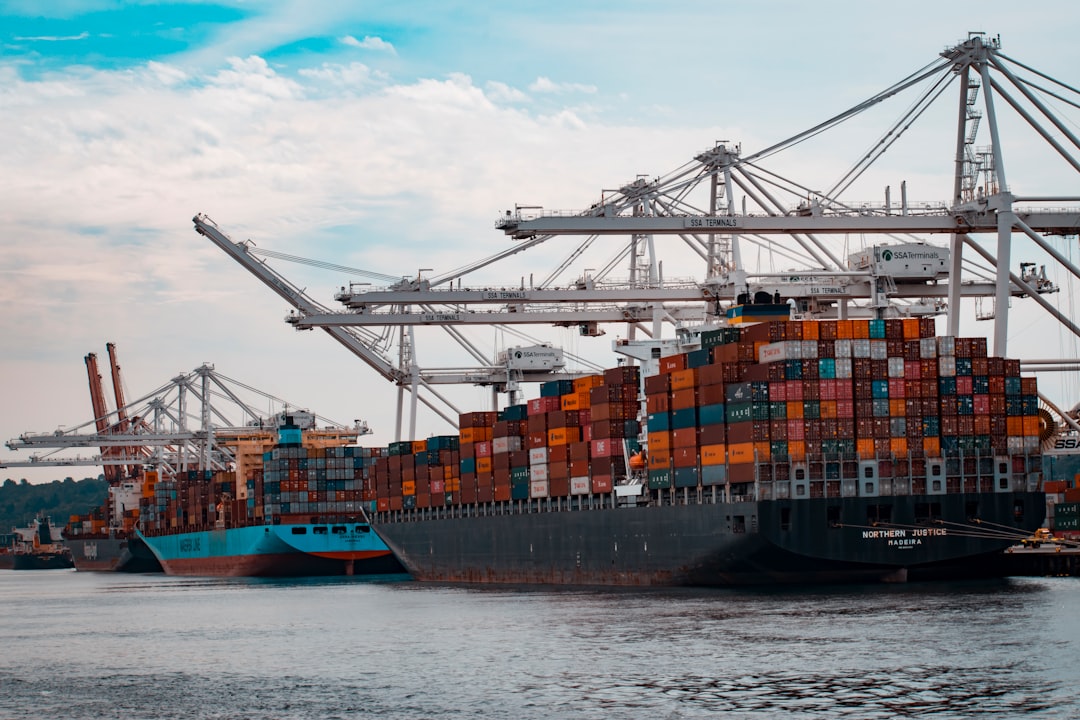
As port congestion intensifies, vessel waiting times at JNPT have surged from 18 hours to 26 hours, contributing to higher costs and uncertainty for exporters. These challenges suggest a tightening market for shippers and forwarders sourcing capacity from South Asia.
Behind the Headline
The rising freight rates reflect a confluence of geopolitical tensions, market supply disruptions, and service reductions within the shipping sector. For operators and charterers, the shift to longer, costlier routes highlights the necessity of agile logistics strategies to manage increasing operational costs. Observers should monitor further price adjustments as new surcharges come into effect, alongside ongoing congestion at major ports, which could continue to affect trade dynamics out of South Asia.