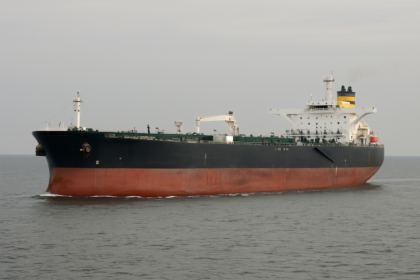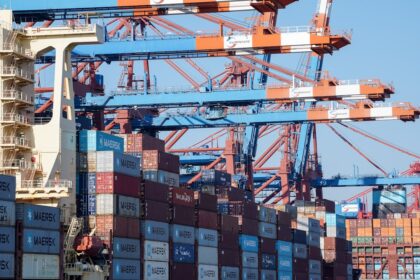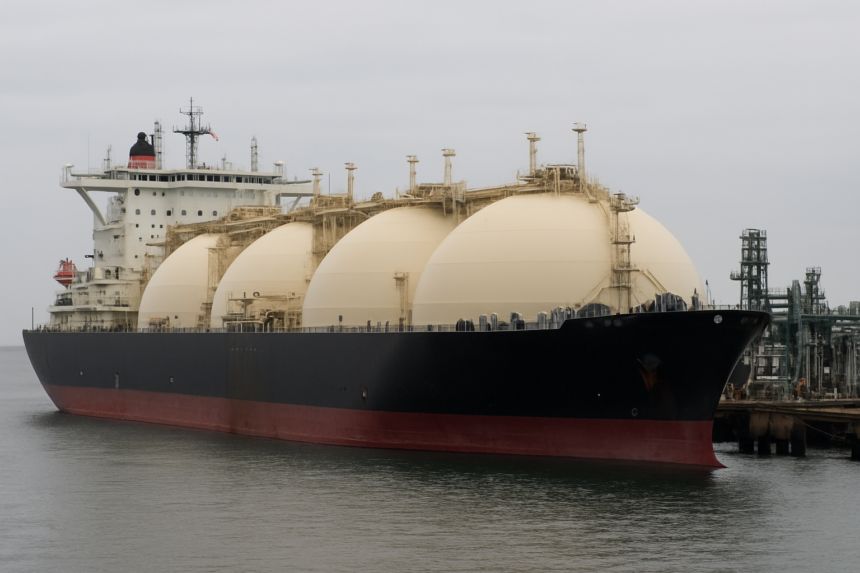
International Seaways has made a significant move in the maritime industry by contracting up to four LNG-ready LR1 product tankers at K Shipbuilding in South Korea. This order comes after a two-year pause for the New York-listed tanker owner, indicating a renewed focus on fleet expansion and modernization.
The New Orders
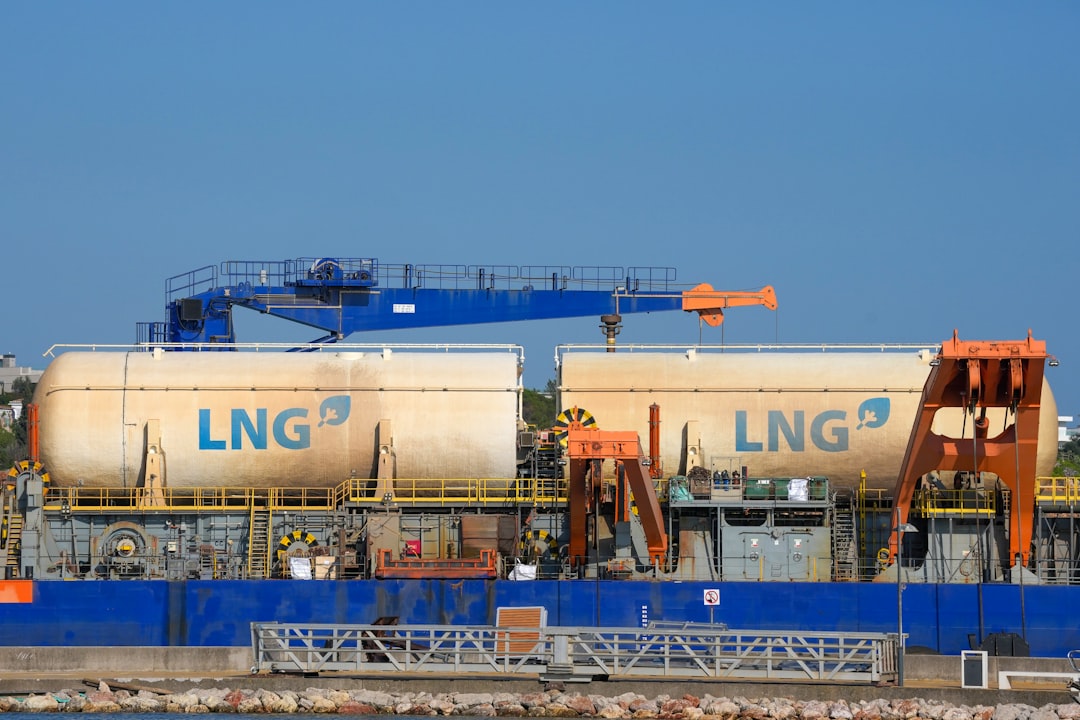
Specifically, International Seaways has secured contracts for two firm 74,000 dwt LR1 product carriers, with options to add two more vessels. The significance of these vessels lies not only in their size but also in their readiness for liquefied natural gas (LNG) operations, aligning with global shipping trends towards cleaner and more efficient fuel options.
Market Context
This latest order reflects a broader industry shift as shipowners are increasingly prioritizing sustainability and fuel efficiency. The dual-fuel capability of these newbuilds will position International Seaways favorably in a market that continues to respond to environmental regulations and the growing demand for LNG as a marine fuel. The LR1 segment, known for its flexibility in transporting refined petroleum products, remains a strategic choice for shipping companies aiming to adapt to evolving market needs.

Future Implications
Following this new order, attention now shifts to how International Seaways will integrate these vessels into its existing fleet and operational strategy. The ability to offer dual-fuel solutions aligns not only with market demands but may also enhance competitiveness in securing charters amid tightening environmental regulations. Industry stakeholders will be closely monitoring how this investment will impact the company’s operational capacity and overall market positioning in the coming years.
Behind the Headline
The decision by International Seaways to invest in LNG-ready tankers illustrates a proactive approach towards meeting global decarbonization goals. These vessels will likely enhance operational flexibility in various trading conditions and comply with stringent environmental standards. As fleet modernization continues, operators must adapt their strategies to leverage advancements in fuel technology. Potential implications for charter rates and competition among tanker operators will be critical to observe in the short to medium term.