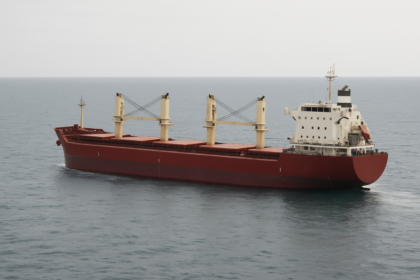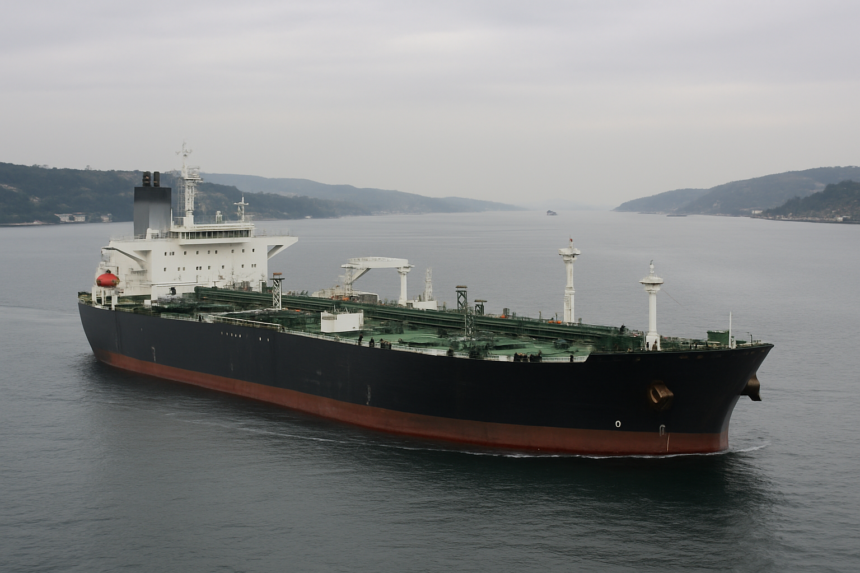
The closure of the Strait of Hormuz, which began affecting commercial shipping traffic on February 28, has emerged as a significant disruptor of the global oil and trade landscape. This strategic waterway has historically facilitated approximately 25% of the world’s seaborne oil trade and 20% of global LNG movements.
The Impact on Shipments
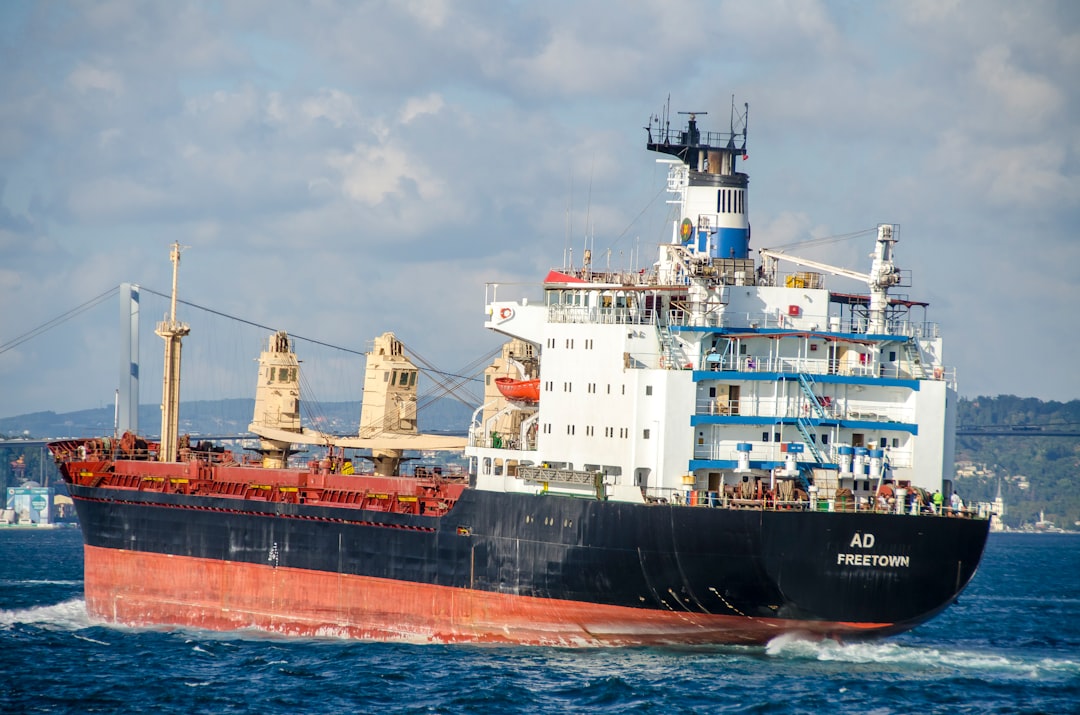
According to data from the World Trade Organization, the drastic reduction in outbound oil shipments is staggering, with crude oil exports down by 95% and LNG exports by 99% as of May 1. The IMF PortWatch reports that what once flow through the strait at up to 5 million metric tons per day has all but ceased, causing operational and financial ripple effects across various vessel categories, including container ships and bulk carriers.
The implications extend beyond oil and gas; the strait is also crucial for the transportation of fertilizers and various industrial commodities. For instance, about 5 million tonnes of aluminum shipments from the Gulf states are now impacted, while half of the global seaborne sulfur trade utilizes this passage. Additionally, nearly one-third of global methanol trade, vital for numerous manufacturing processes, is affected.

Economic Ramifications
The agricultural sector is feeling immediate pressures, too. Approximately 16 million tonnes of fertilizer—representing about one-third of global seaborne volume—transit through Hormuz annually. This disruption has caused U.S. urea prices to surge from $475 to $680 per metric ton, threatening planting seasons for vital crops like corn and soy. In South Asia, the crisis prompts several nations to shutter domestic fertilizer plants, risking food supplies.
Furthermore, the impact on aviation cannot be overlooked. Airlines are increasingly suspending or rerouting flights as they avoid Middle Eastern airspace, consequently incurring higher operational costs and extended travel times.
Geopolitical Considerations
Industry analysts have emphasized that this crisis is of unprecedented scale, overshadowing historical events like the oil crises of the 1970s and the Iran-Iraq war of the 1980s. Peter Martin, head of economics at Wood Mackenzie, acknowledged the situation as potentially more disruptive than crises seen in the past. According to Daniel Yergin, vice chairman of S&P Global, the current disruption is distinguished by its breadth and depth.
The Operational Read
The ongoing closure of the Strait of Hormuz underscores the fragility of global supply chains heavily reliant on specific maritime routes. As operators assess their vulnerabilities, alternative supply arrangements will likely become a priority. Increased vessel rerouting and potential escalation in freight rates for available routes may exacerbate costs for charterers and shippers. Moreover, the agricultural sector must prepare for potential volatility in fertilizer availability, which could have downstream effects on food prices. Operators are advised to monitor geopolitical developments closely and consider contingency plans to mitigate further disruptions.