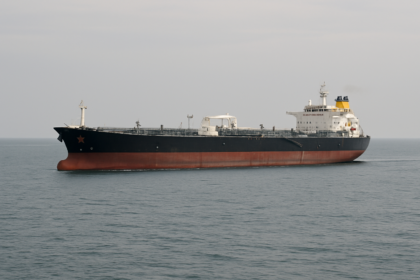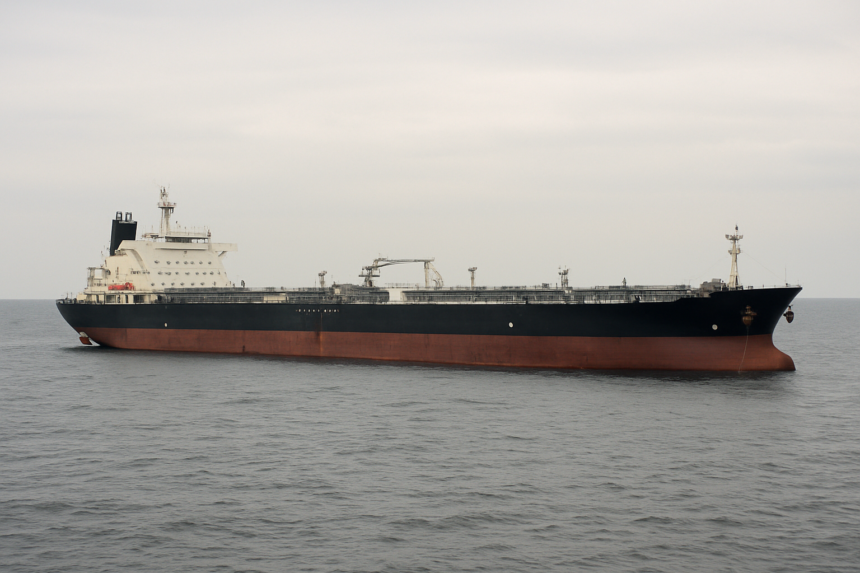
Three Indian sailors have died following a US military strike on the MT Settebello, a Palau-flagged oil tanker, in the Gulf of Oman. The strike occurred on Wednesday, after US forces accused the vessel of not adhering to operational directives regarding a blockade aimed at vessels allegedly transporting oil from Iran.
The Incident
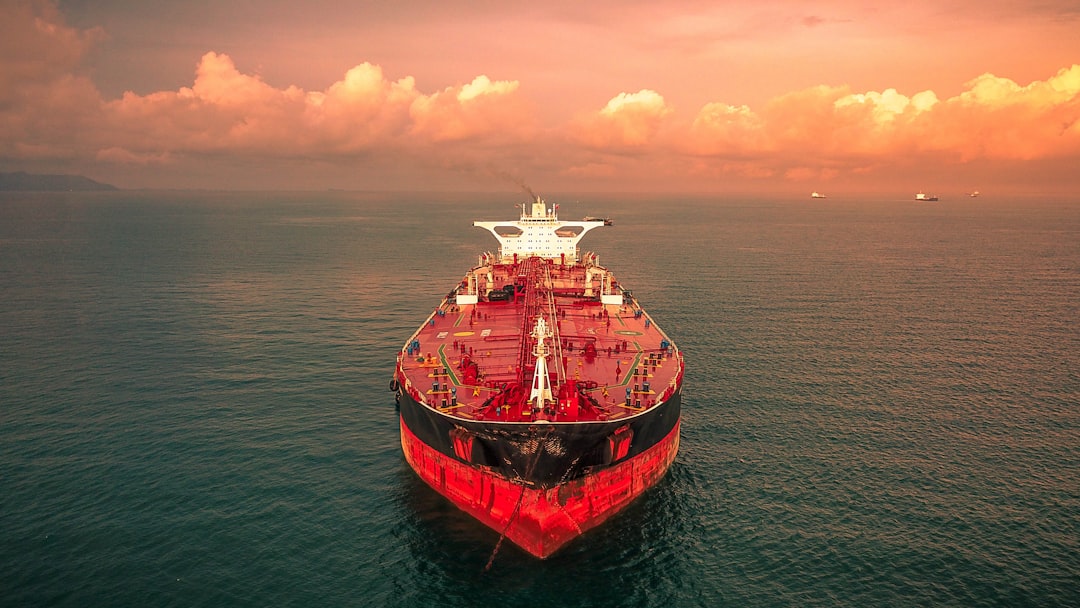
According to India’s Shipping Minister Sarbananda Sonowal, 24 Indian crewmen were aboard the tanker at the time of the incident, with 21 subsequently rescued. The US military reported that precision munitions targeted the engine room of the Settebello after the crew failed to comply with orders. The attack marks a significant escalation in tensions in the region, particularly given that this is the second incident involving a vessel with an Indian crew within just a few days.
Impact on US-India Relations
In light of the incident, the Indian government has expressed its outrage, summoning the deputy head of the US mission in New Delhi to formally address the matter. The Indian government has also emphasized the need for the targeting of commercial shipping and civilian infrastructure in the region to cease. The death of the sailors has prompted industry representatives, such as Manoj Yadav from the Forward Seamen’s Union of India, to question the US military’s operational protocols, arguing that safer alternatives such as temporary detention of vessels could have been employed instead of lethal force.

Escalating Regional Tensions
The incident occurs against the backdrop of heightened hostilities between the US and Iran, following a series of strikes that began on 28 February, which devastated Iran’s leadership. The recent blockade implemented by the US has resulted in the disabling of eight vessels and redirection of numerous others. As tensions continue to escalate, the threat to commercial shipping in the Gulf region grows more acute, with significant implications for energy markets and maritime security.
The Operational Read
The loss of civilian life in military operations highlights the fraught nature of contemporary maritime engagements, particularly in conflict zones like the Gulf of Oman. For operators and shipping companies, compliance with military directives has never been more critical, as failure to do so can lead to catastrophic outcomes. The situation raises essential questions regarding the protocols surrounding the blockade and the risks faced by merchant vessels. Operators should closely monitor developments in regional military engagements and reassess routing strategies to mitigate risks related to potentially hostile encounters.