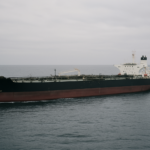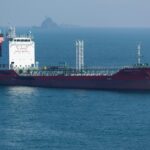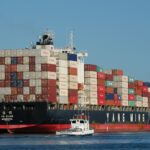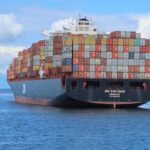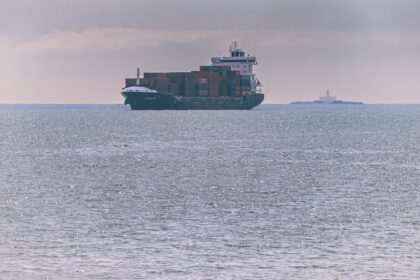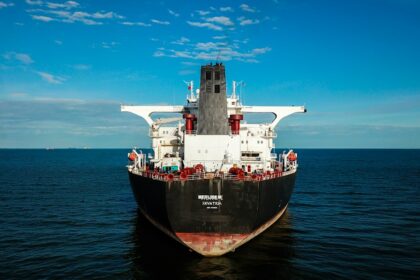
The Strait of Hormuz has witnessed a tragic escalation in violence, with missile strikes targeting two commercial tankers resulting in the death of one Indian seafarer and multiple injuries among crew members. The attacks occurred on Tuesday, prompting significant concern within the maritime industry regarding the safety of civilian mariners operating in this crucial maritime route.
The Incident
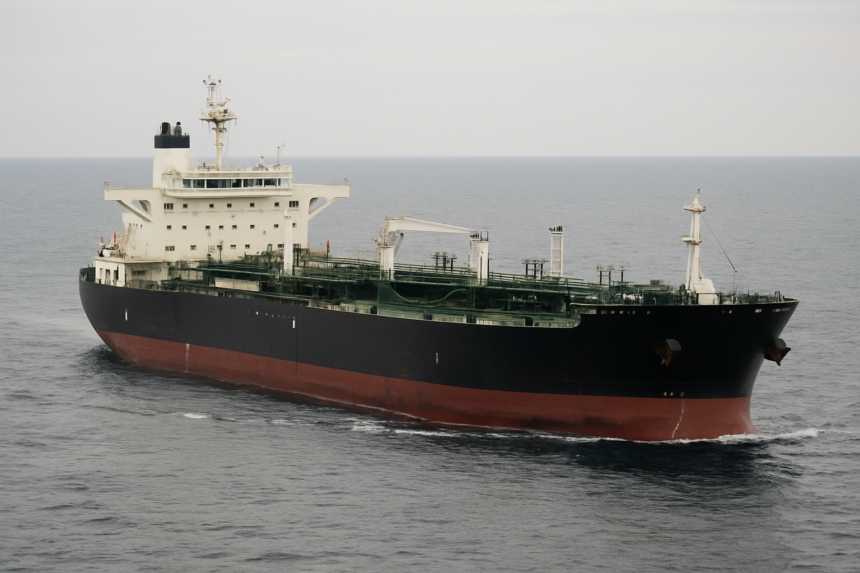
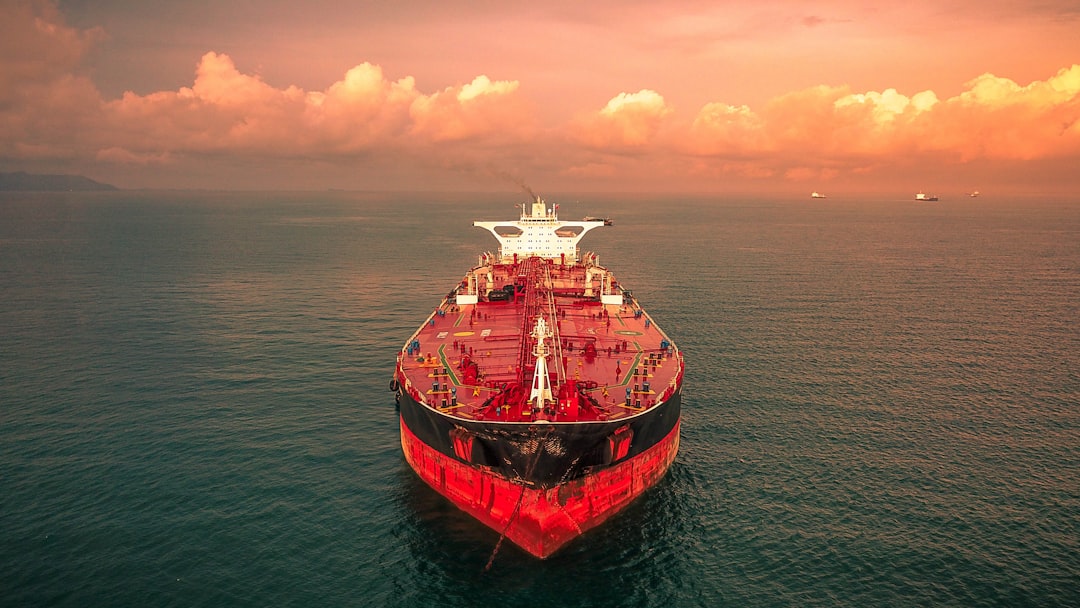
The Indian Ministry of External Affairs confirmed the death of an Indian national aboard the UAE-flagged tanker MT Al Bahiyah, which was directly struck during its transit through the Strait. Additionally, a second tanker, MT Mombasa, also flagged to the UAE, was affected by the missile strikes, leaving nine Indian crew members injured, with two reported in critical condition. The crews of both vessels included a total of 46 personnel, predominantly Indian nationals.
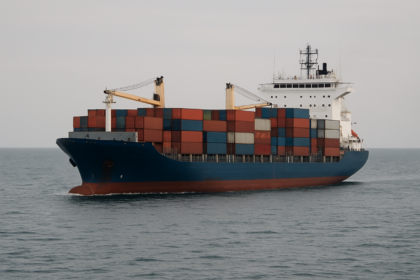
This wave of violence follows a serious incident involving the Cyprus-flagged containership GFS Galaxy, which suffered an attack prompting an evacuation of its crew after a fire erupted on board. The dangers present in this region have resulted in the continued absence of one Indian seafarer from that vessel as search efforts persist.


Government Responses
In light of the recent incidents, the Indian government has taken diplomatic steps by summoning the Deputy Chief of Mission at Iran’s embassy in New Delhi. India’s statement condemned the attacks and voiced strong disapproval of violence that endangers maritime workers and disrupts freedom of navigation through key international waterways. The Ministry of External Affairs also cited calls for an immediate cessation of hostilities and emphasized the need for dialogue to ensure safe passage for commercial shipping in the region.
President Trump has urged commercial vessels to maintain their transit through the Strait of Hormuz, characterizing it as ‘OPEN’ for traffic except for Iranian vessels. His administration claims that military efforts have contributed to a secure flow of oil through the region. However, this optimistic view conflicts with the reality faced by maritime operators who are contending with the elevated threat levels.
Market Impact
The Joint Maritime Information Center has classified the threat level in the Strait of Hormuz at ‘SEVERE,’ highlighting ongoing risks for maritime security as Iranian attacks have intensified. Operators are reporting hesitancy regarding navigation in this crucial area as potential hostilities, drone surveillance, and threats to undeclared vessels continue.
Furthermore, the renewed U.S. blockade of Iranian ports adds another layer of complexity to the navigational safety challenges faced by commercial shipping in the region. Following incidents of sustained hostility, shipping companies are grappling with greater operational uncertainties as they weigh the implications of potential risks versus the necessity of continuing transit through this pivotal choke point.
The Operational Read
The recent attacks in the Strait of Hormuz underscore a deteriorating security environment, significantly impacting operational decision-making for shipping companies and crew safety protocols. With civilian crew members increasingly bearing the brunt of heightened military tensions, operators must reassess risk assessments and operational routes. The potential for further violence necessitates ongoing vigilance and adaptive strategies from maritime stakeholders. Companies might need to consider alternative routing options or enhanced security measures, maritime insurance costs are likely to increase due to perceived risks in the area, and serious discussions around defense protocols for vessels traversing this critical maritime corridor are crucial to mitigate further tragedies.