Update 20 Jul 2026, 18:34 UTC:
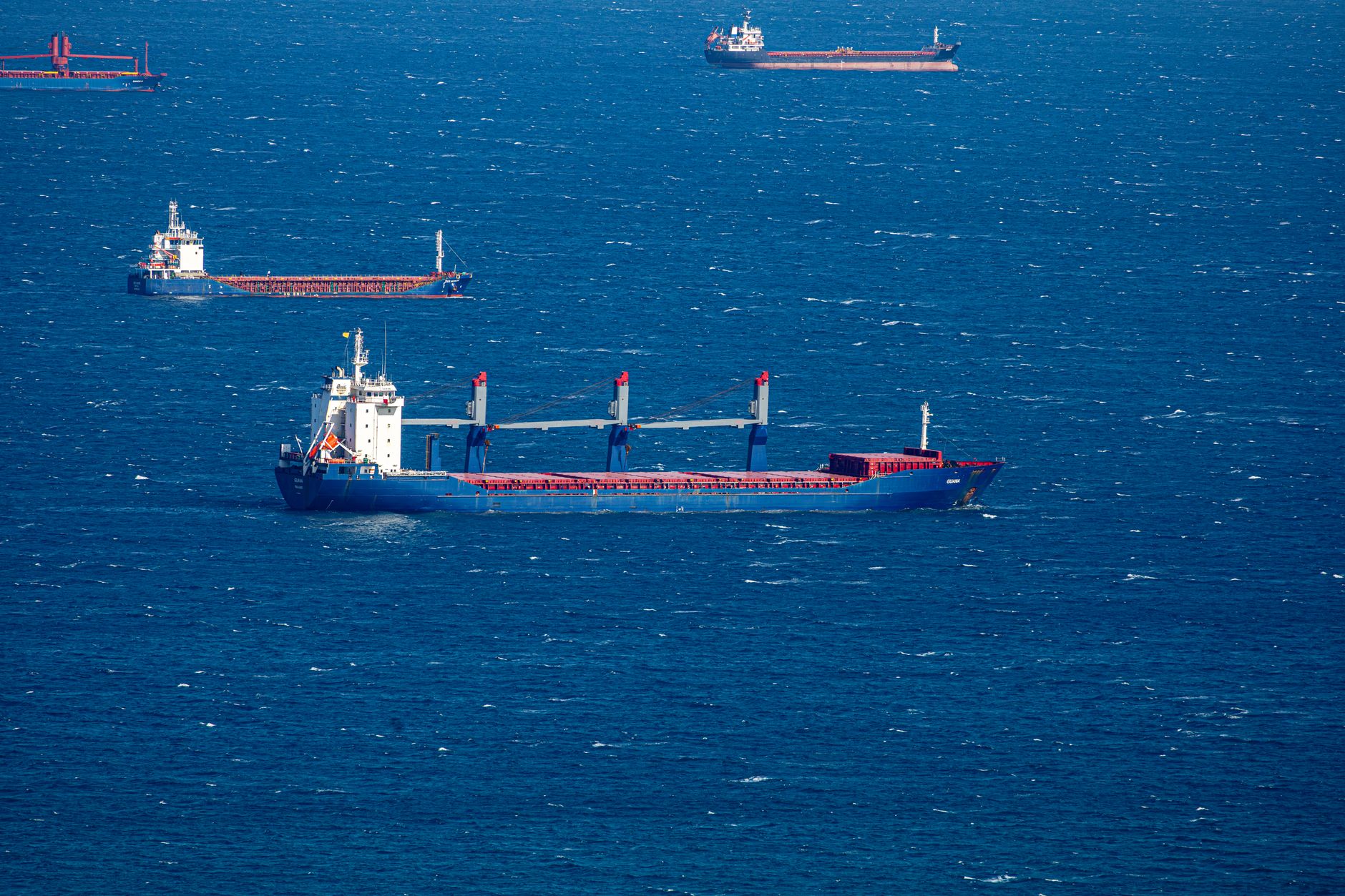
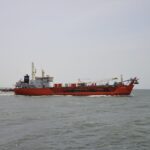
On Sunday, a Russian missile attack targeted the Golden Leo, a ship carrying corn near Odesa, resulting in 10 fatalities. The attack was confirmed by the Ukrainian navy, which described the ship as a Guinea-Bissau-flagged vessel manned by a crew from India and Syria. Following the missile strike, a significant fire erupted on board, prompting a search and rescue operation that lasted throughout the night.
The Incident
According to reports, the Golden Leo was struck by three cruise missiles in a region that has seen a dramatic escalation in conflict over recent weeks. The Navy of Ukraine indicated that eight of the vessel’s 17 crew members were successfully rescued, while the search operation accounted for the loss of nine crew members and one maritime pilot. This incident marks one of the deadliest episodes in a series of escalating attacks that have recently plagued the Black Sea maritime corridor.

Market Impact
The renewed violence in the Black Sea threatens to disrupt grain export routes vital for global food security. Ukraine, a key player in the global grain market, previously accounted for approximately 11% of global corn exports. However, the ongoing hostilities have led to a substantial reduction in its export capabilities, impacting both regional and global prices. As trade routes become increasingly dangerous, the operational dynamics for vessels in this key maritime area are shifting, pressuring shipping companies to reevaluate routing and risk management protocols.
Operator Response
Shipping operators are advised to enhance safety protocols and closely monitor the situation in the Black Sea following these recent attacks. With both Ukraine and Russia intensifying military operations in strategic maritime zones, the threat to commercial vessels continues to rise. Operators may need to engage in contingency planning and look into alternative routes, which could involve longer transit times and increased operational costs.
The Operational Read
The recent missile strike highlights the significant operational challenges faced by shipping companies in conflict-prone areas. With the loss of lives and increased risks, operators must be prepared to navigate complex security landscapes while maintaining compliance with maritime regulations. Close collaboration with maritime authorities and utilizing risk assessment tools will be critical for ensuring the safety of crews and vessels. Future developments in the conflict could lead to more restrictive measures on shipping routes, demanding that stakeholders adopt agile strategies to mitigate potential disruptions.