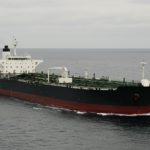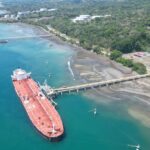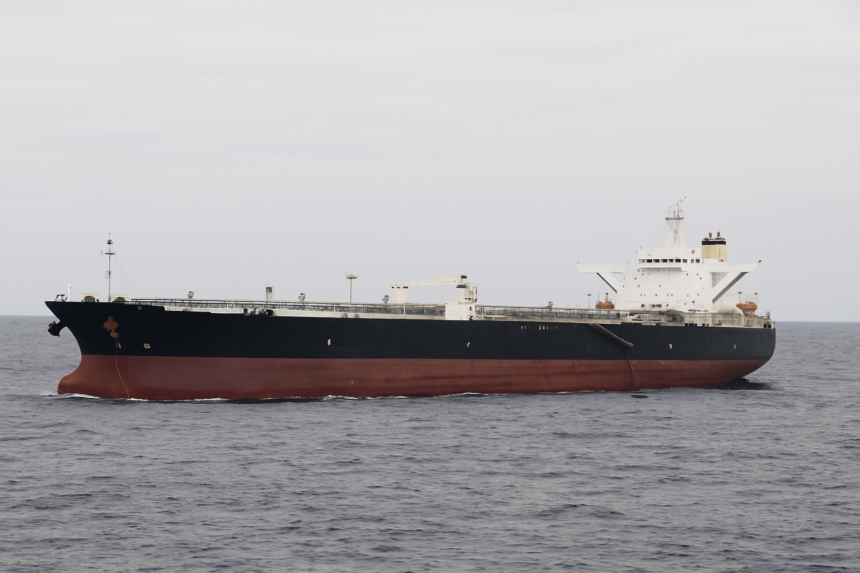
On June 10, U.S. Central Command (CENTCOM) confirmed the disabling of the Guinea-Bissau-flagged tanker MT Jalveer as part of a blockade enforcement operation in the Gulf of Oman. The incident involved the firing of two Hellfire missiles into the vessel’s engine room after the crew failed to comply with directives from American forces.
The Incident
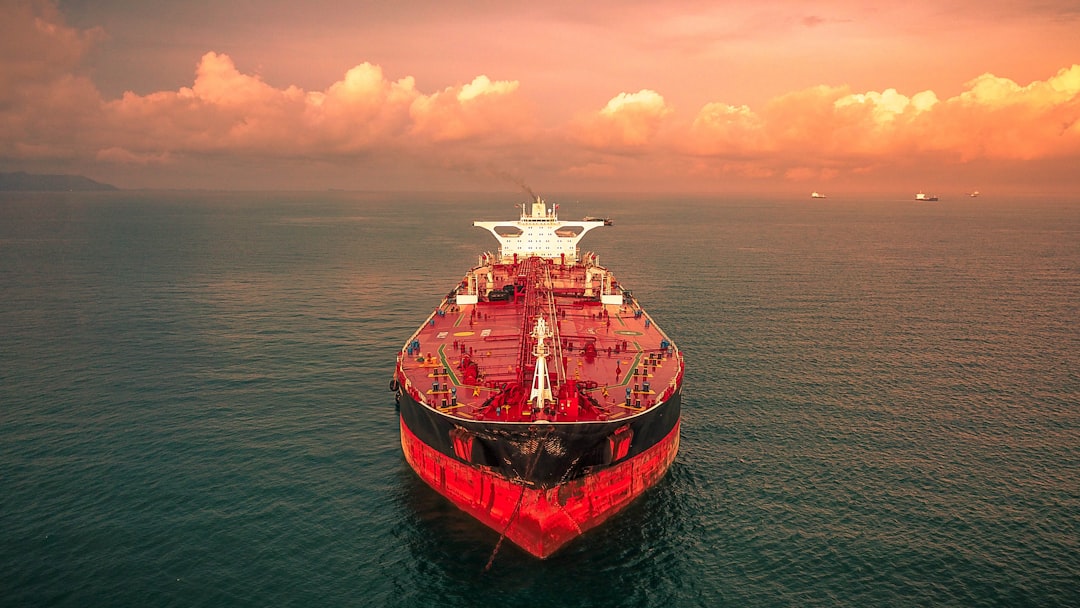
The MT Jalveer was reportedly engaged in transporting Iranian oil, prompting U.S. forces to intervene at approximately 11:20 p.m. ET. Following the attack, all 20 Indian crew members were successfully evacuated to shore, coordinated with the Royal Navy of Oman. The Embassy of India in Muscat confirmed the safe return of all crew, with no injuries or fatalities reported.
This marks the third incident in a week involving Indian seafarers amidst heightened maritime tensions in the region. Just days earlier, U.S. forces had disabled the Palau-flagged tanker Settebello, resulting in the deaths of three Indian crew members, underscoring the grave dangers faced by seafarers in the Gulf of Oman.

Wider Implications for Indian Seafarers
The incidents involving the Jalveer and Settebello have brought international attention to the plight of Indian seafarers, who constitute a substantial portion of the global maritime workforce. India’s Minister of Ports, Shipping and Waterways, Sarbananda Sonowal, expressed condolences regarding the fatalities, highlighting the significant risks associated with the ongoing blockade operations.
These enforcement actions have exacerbated concerns regarding the safety of civilian merchant crews amid military operations purportedly aimed at ensuring compliance with sanctions against Iran. Over the course of the enforcement measures that began in April, CENTCOM has now reportedly disabled nine vessels, redirected 135 compliant ships, and allowed the transit of 42 humanitarian vessels.
The Operational Read
The recent developments surrounding the MT Jalveer illustrate the complex operational environment for seafarers and shipping companies in the Gulf of Oman. As enforcement actions by U.S. forces continue, the safety of merchant crews has become increasingly critical. Operators must remain vigilant, as the risk of interdiction and potential escalation in military engagement raises shipping liabilities, impacting routes and insurance premiums. Given India’s significant presence in the maritime workforce, stakeholders in the shipping industry should closely monitor government advisories and consider rerouting options in secure waters. The involvement of Omani authorities in rescue efforts highlights the importance of multilateral cooperation in safeguarding maritime operations in this volatile region.